Celárek's Corvette Prevails After a Season of Two Rhythms
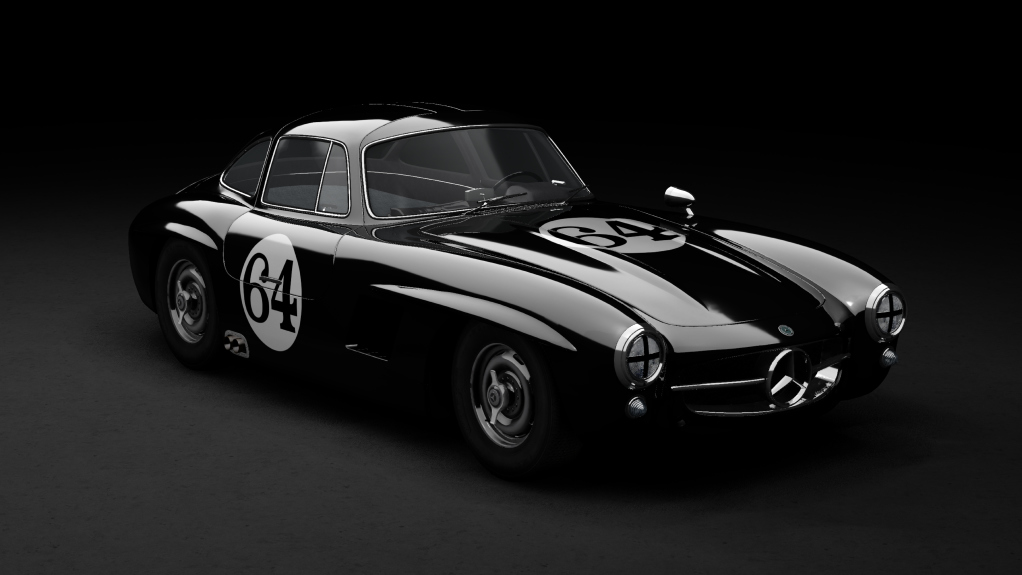
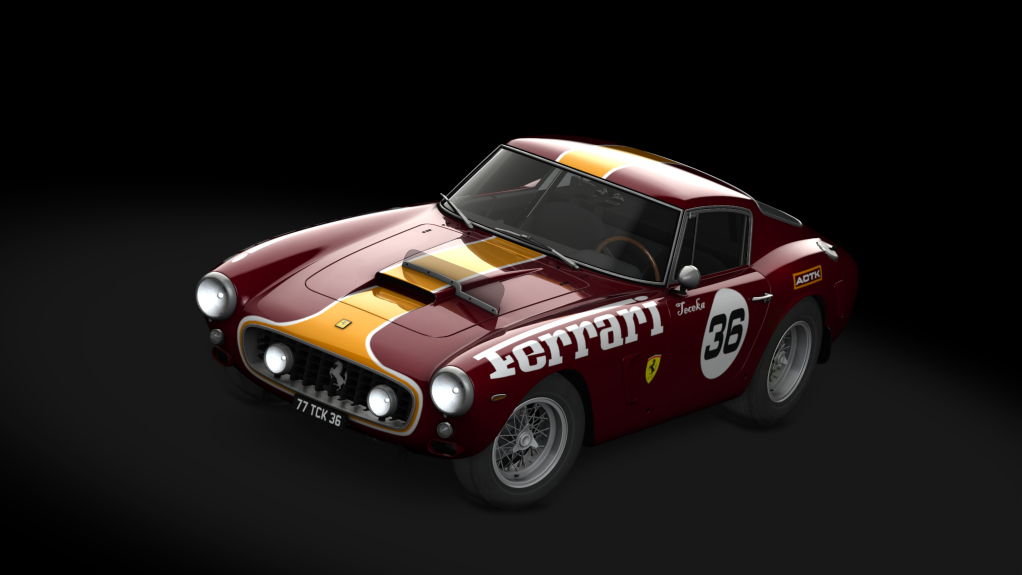
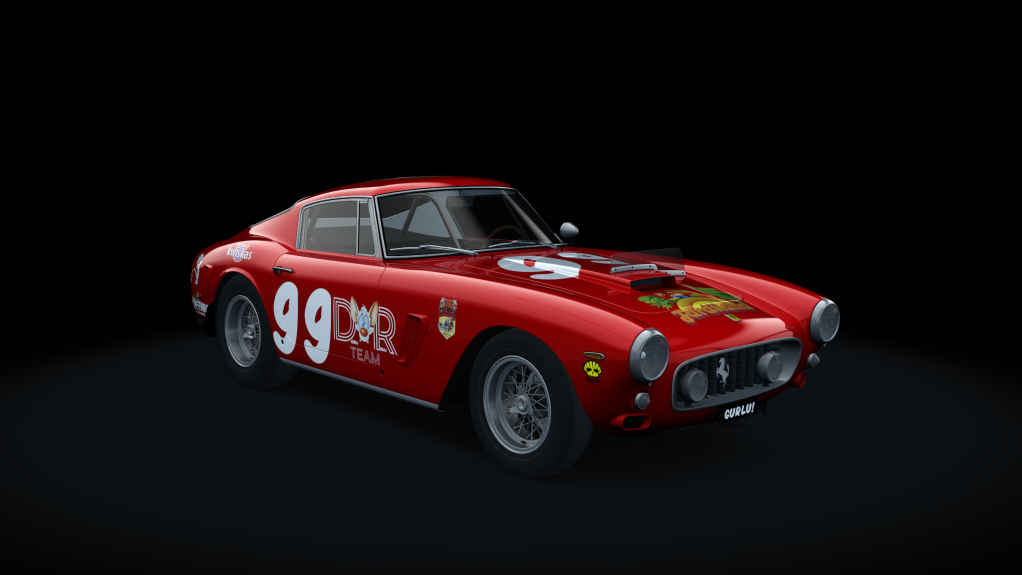
The GTC60 Championship IV - Top Cup began with the poise of a close Lotus-Corvette contest, was disturbed by Longford, and then settled into the measured but compelling pursuit of Adam Celárek by Kasperi Sirén. Celárek's four victories and five top-two finishes from six Championship starts brought Side Heart Motorsports the drivers' crown by nine points, though Sirén's tenacity kept the matter alive to Castle Combe.
A Prologue, Then the Real Contest
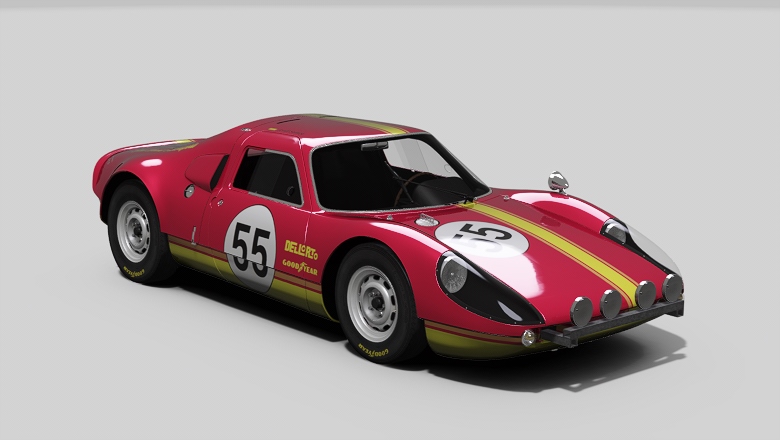
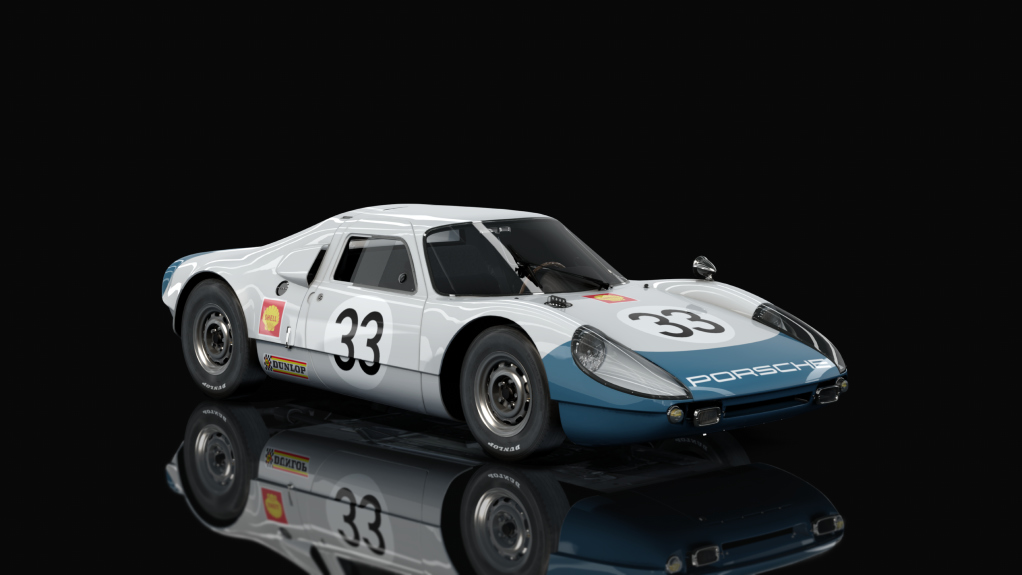
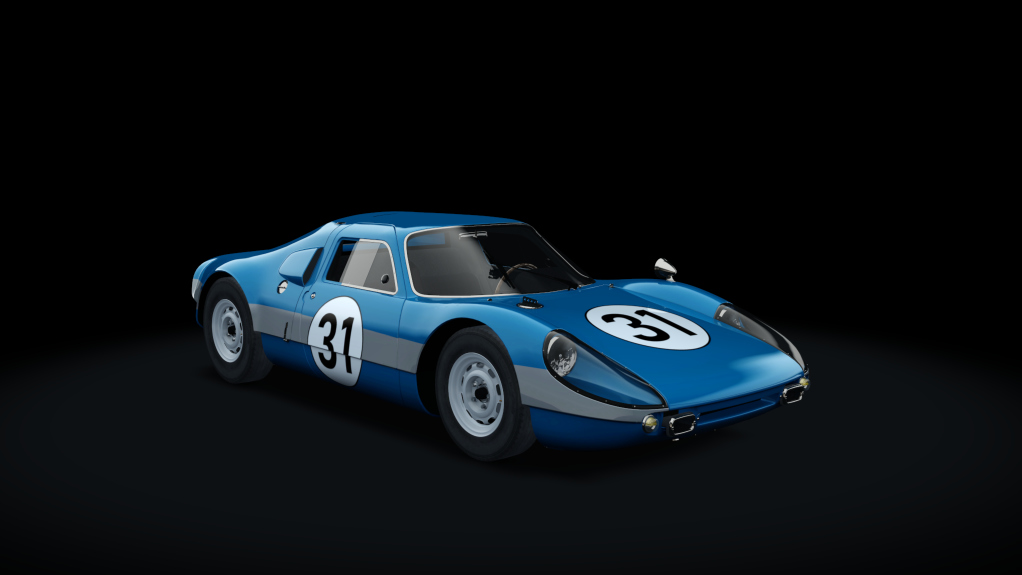
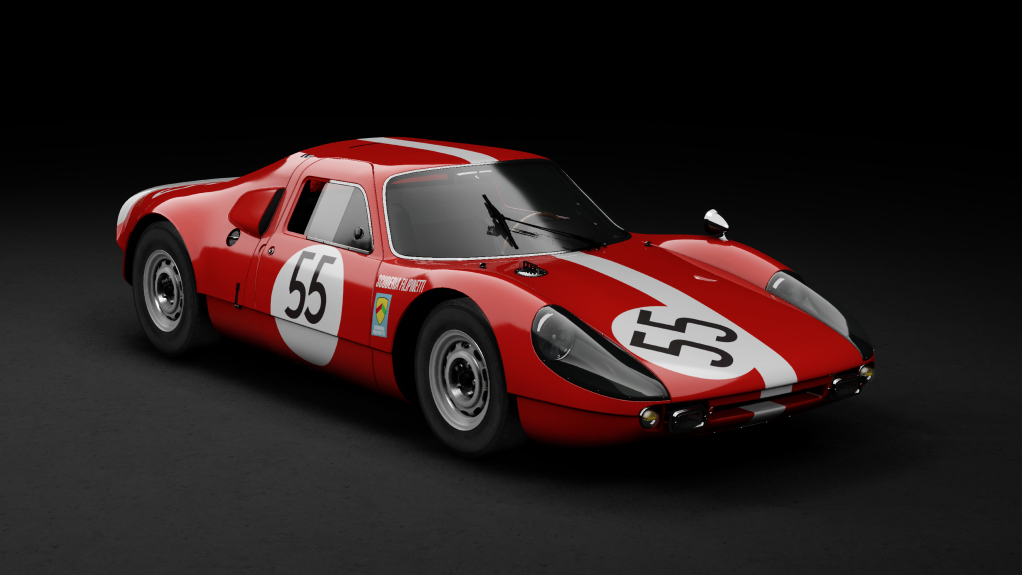
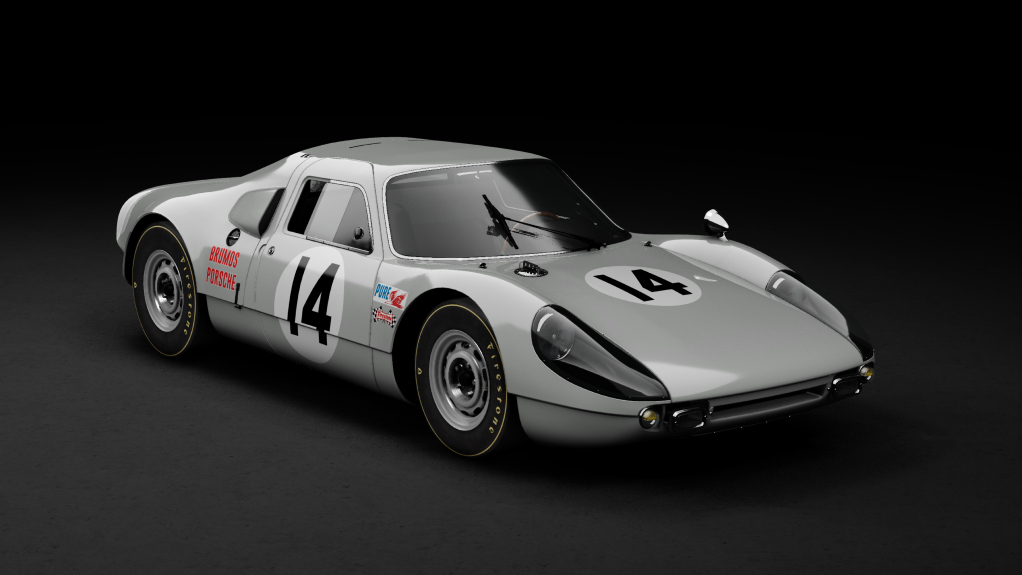
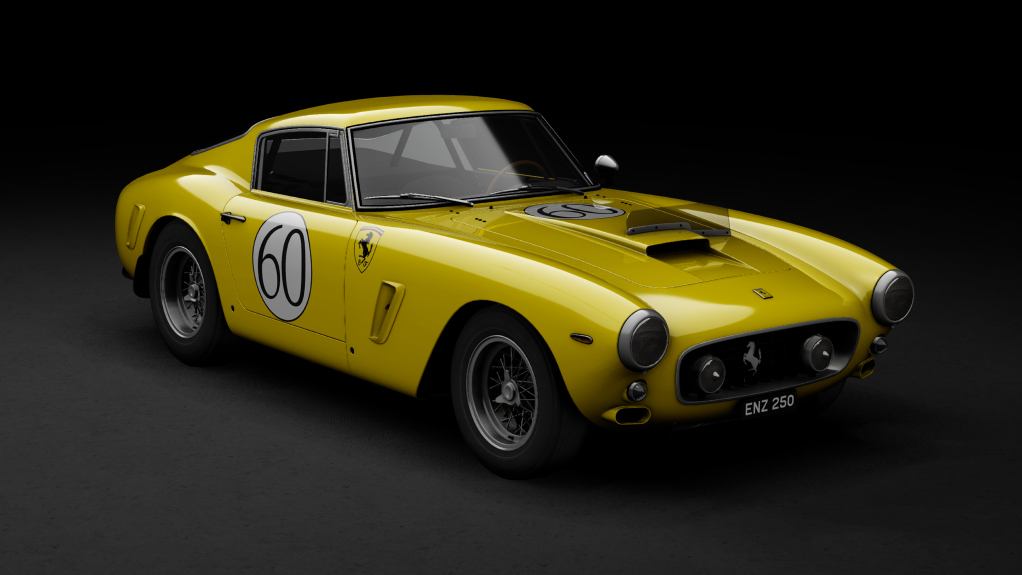
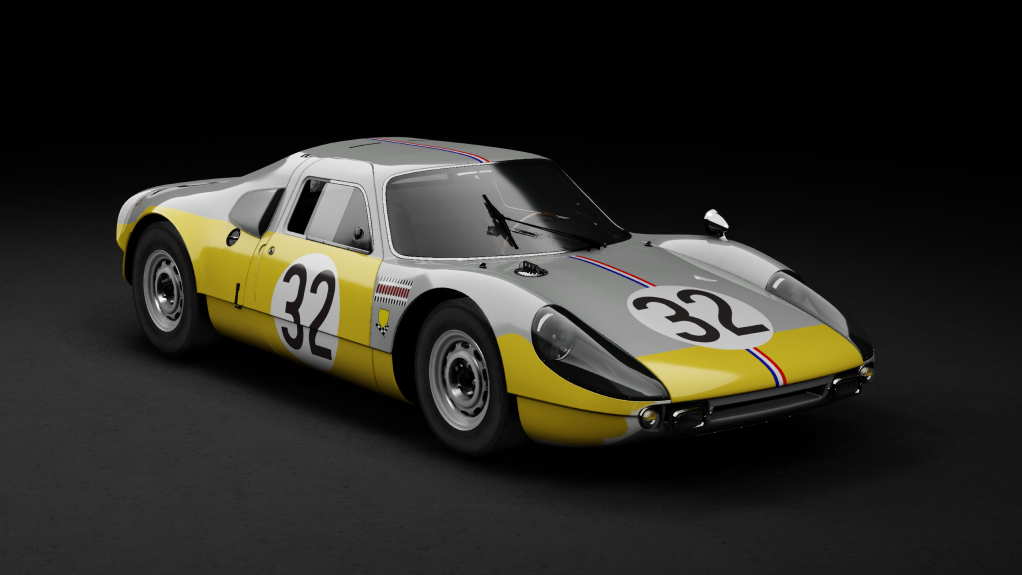
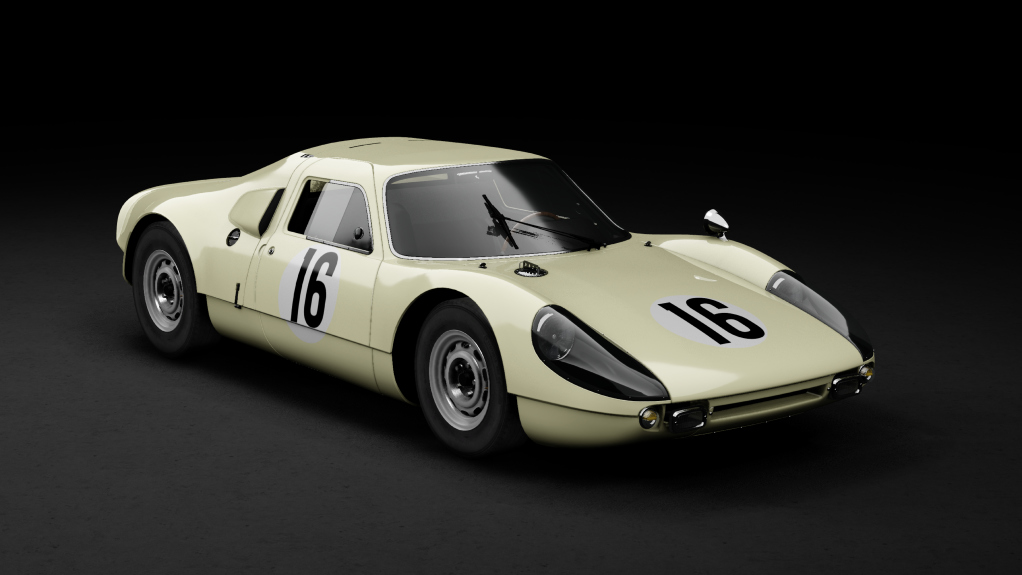
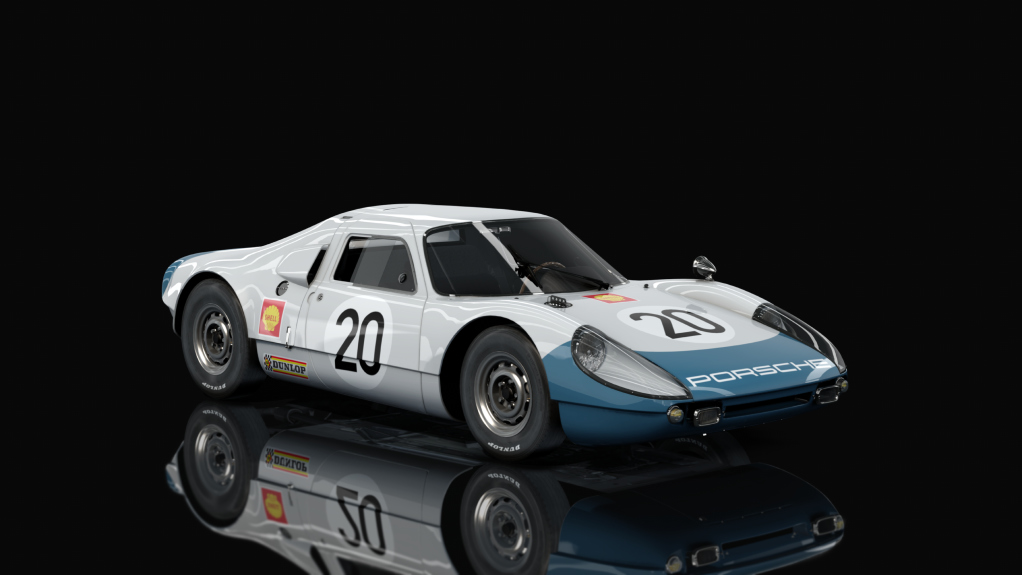
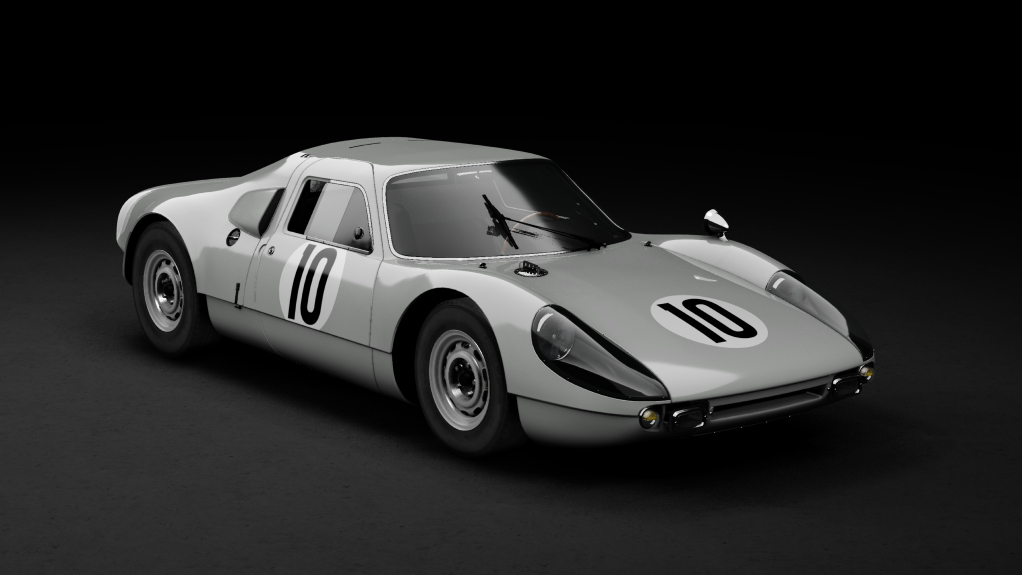
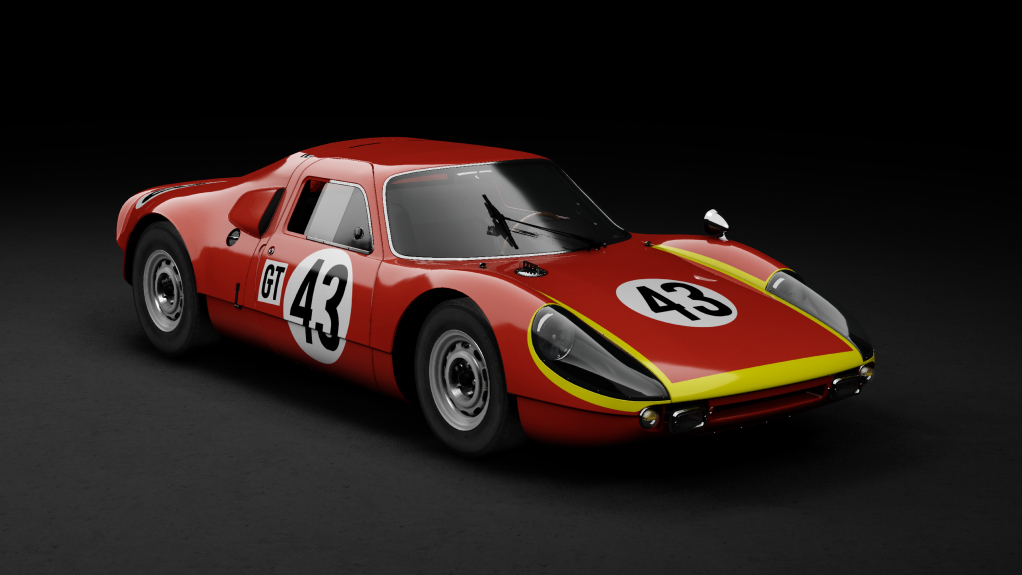
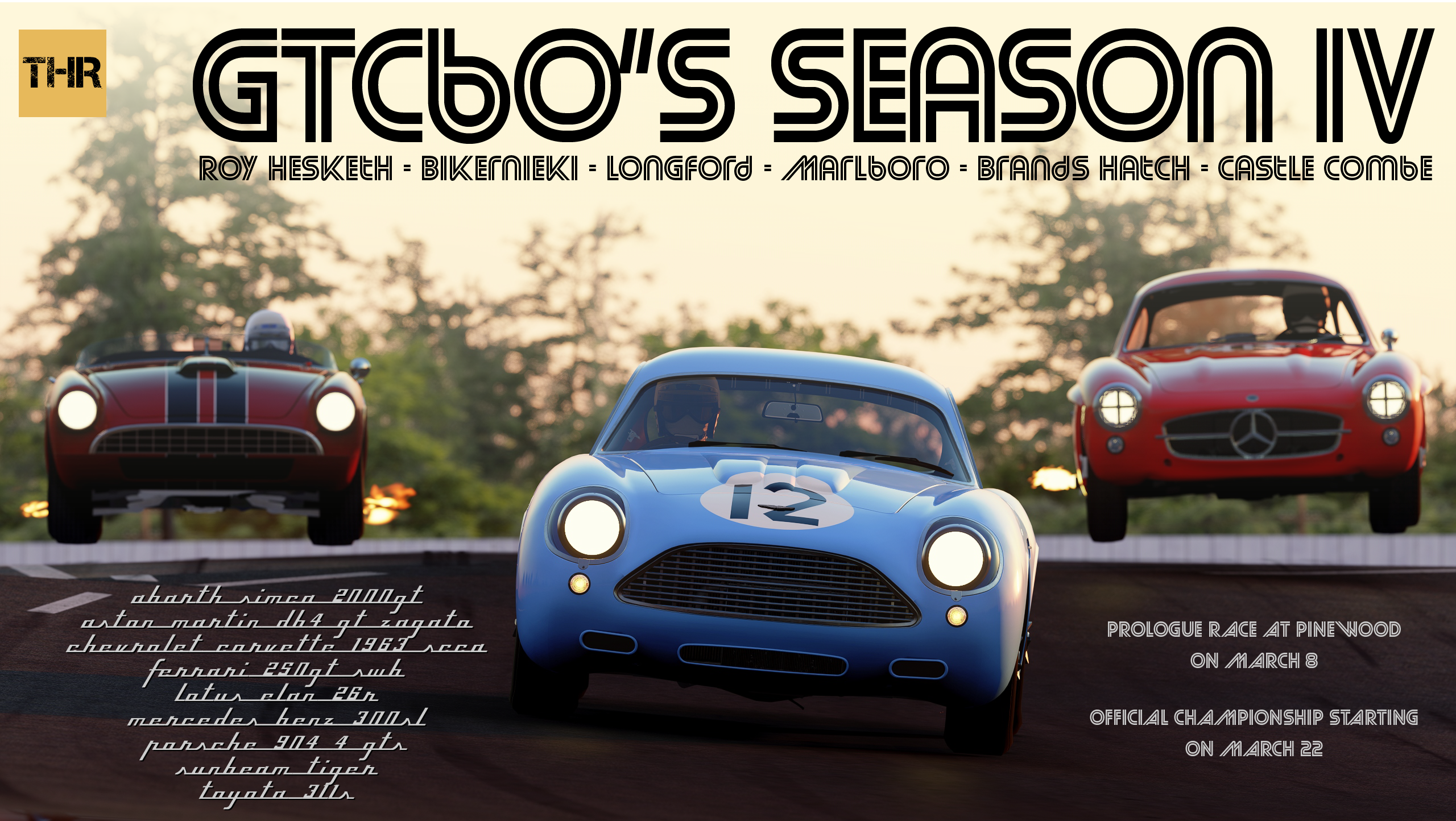
Pinewood provided the opening gathering, and Dingo took the Porsche 904/4 GTS to victory ahead of Kuba Palubicki and meisterJaeger. It was, however, a Prologue rather than a Championship round: a useful first measure of the cars and drivers, but no more than that in the arithmetic of the season which followed.
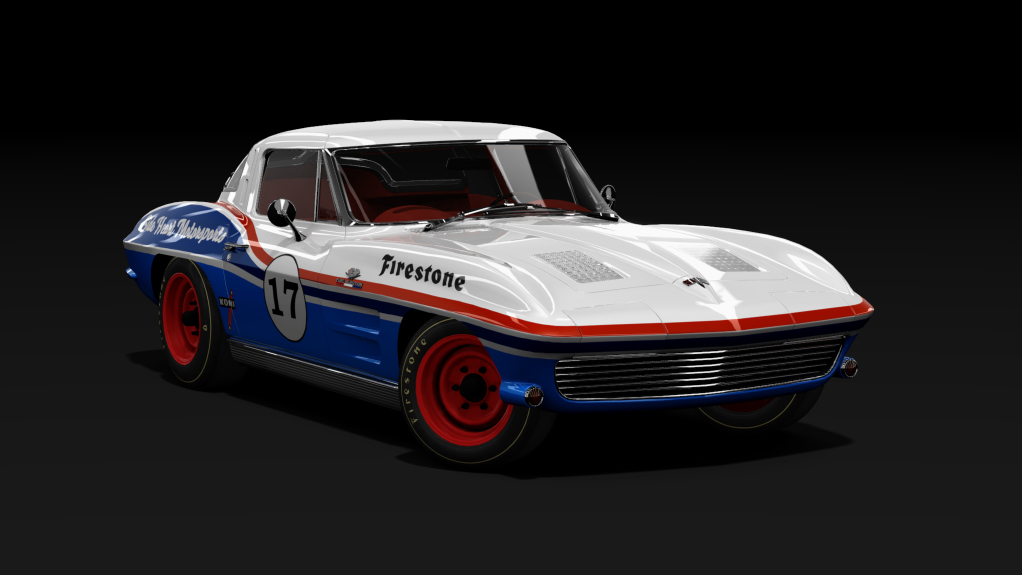
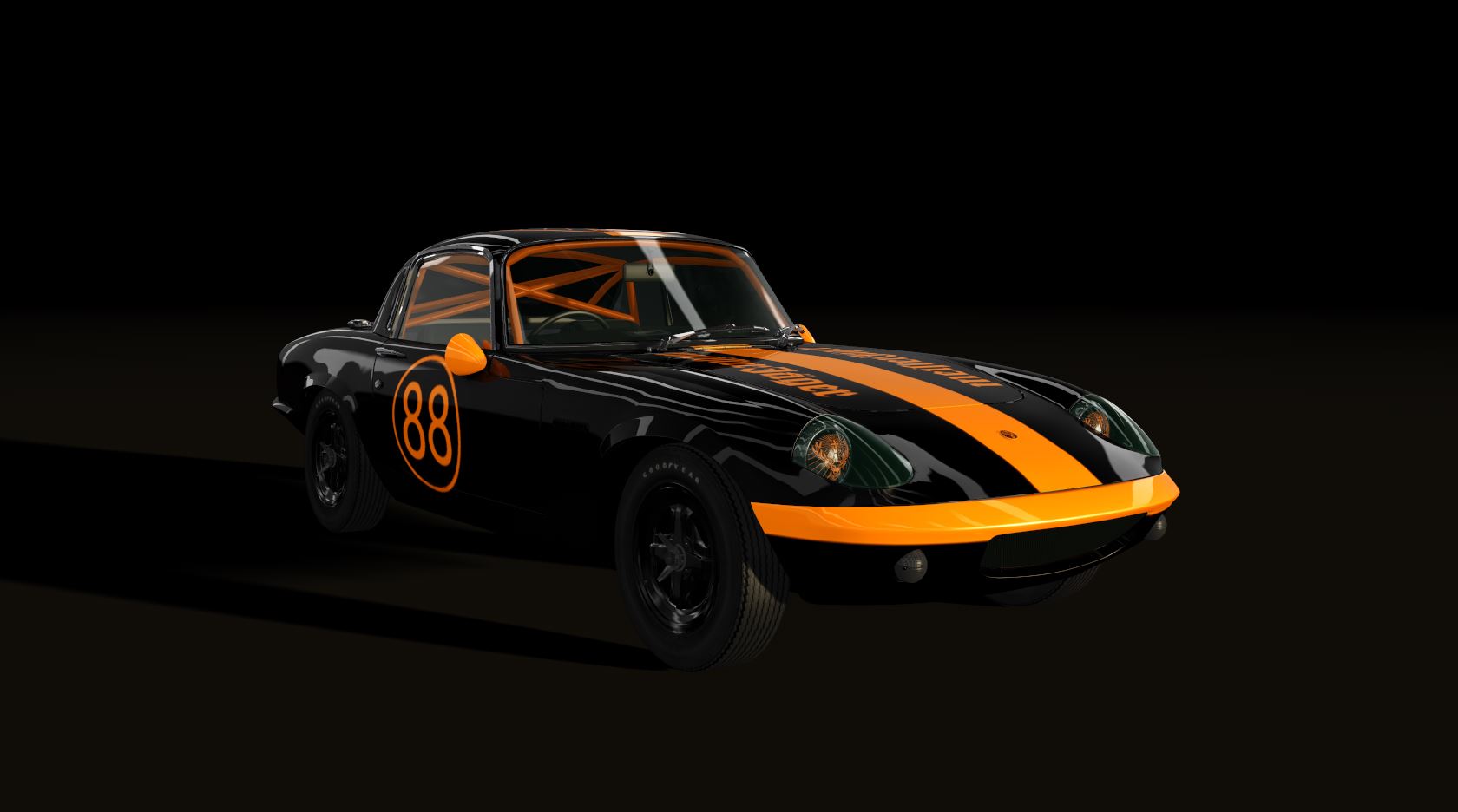
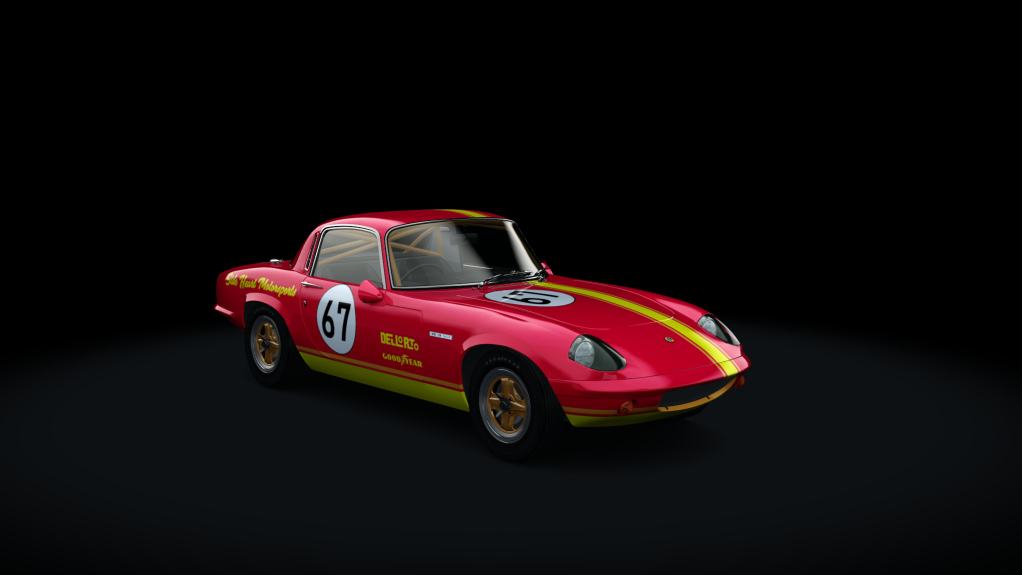
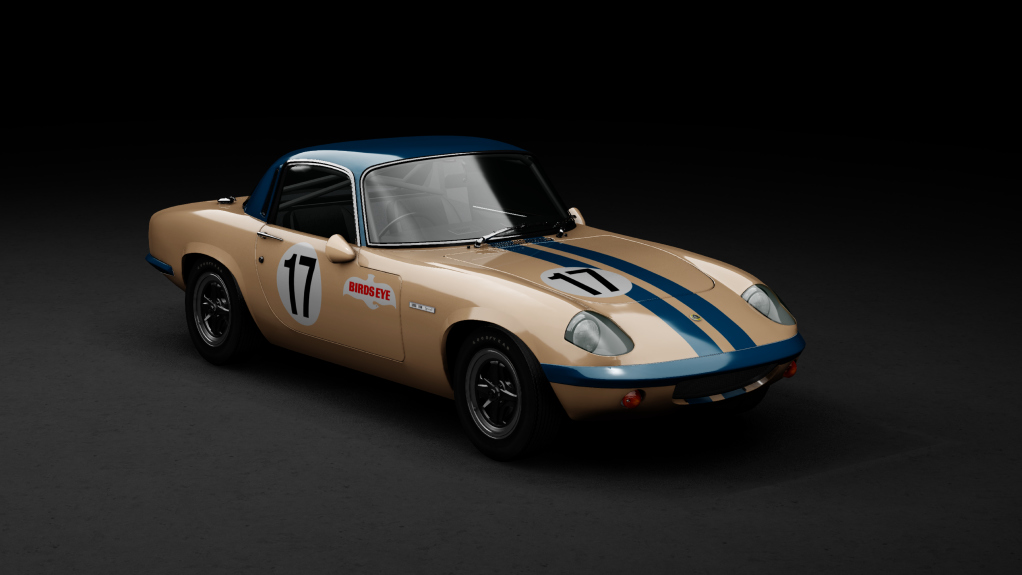
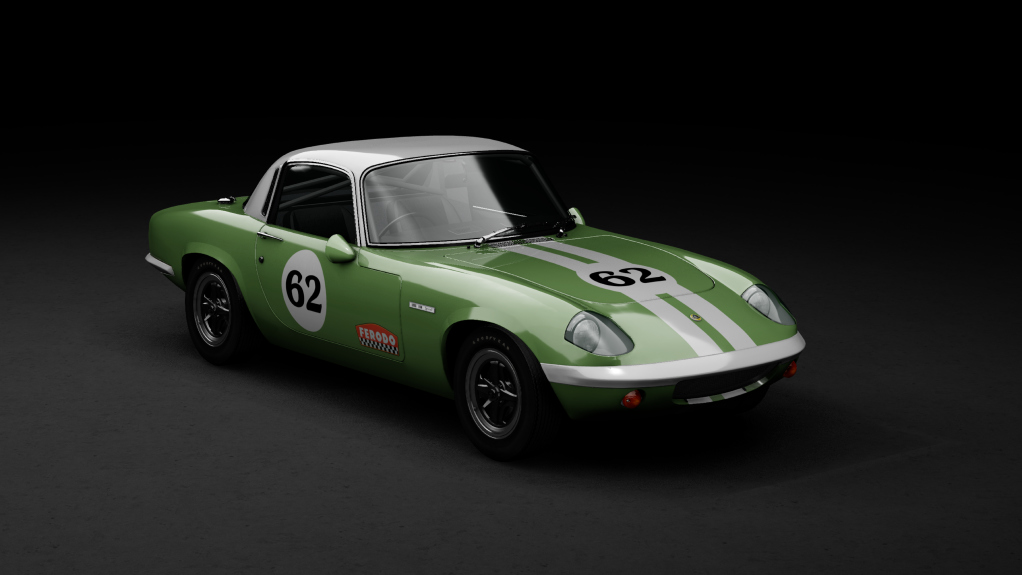
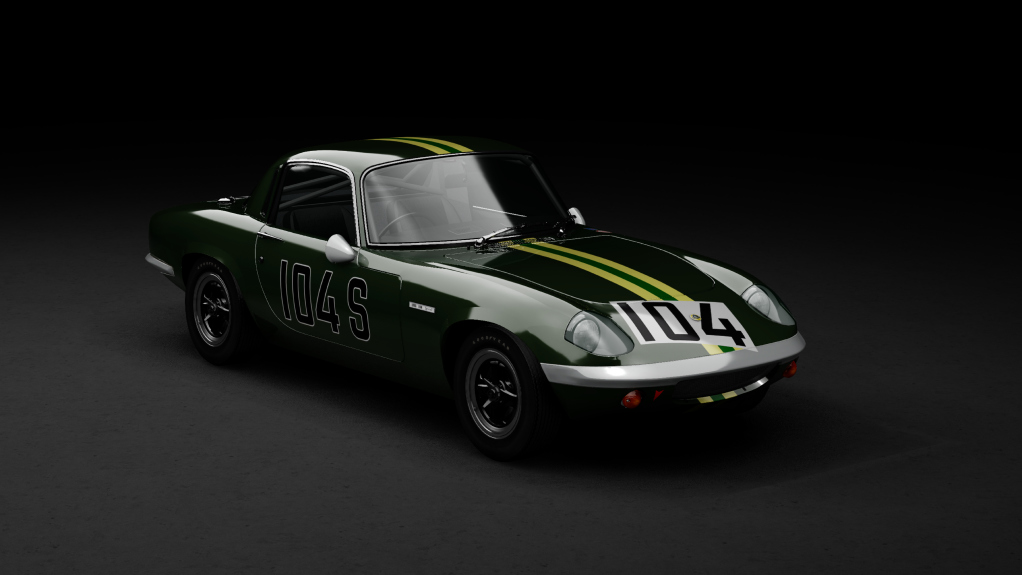
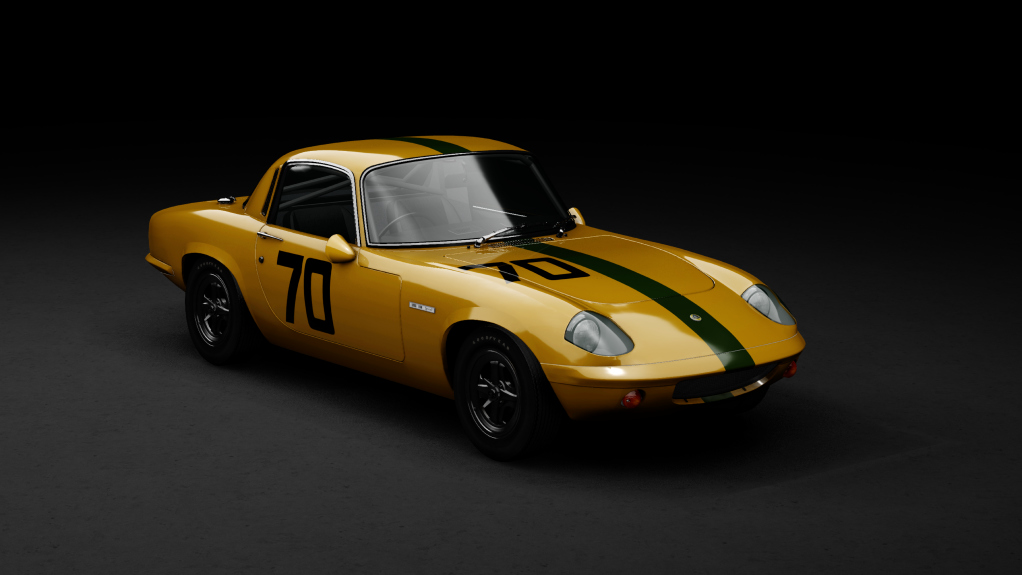
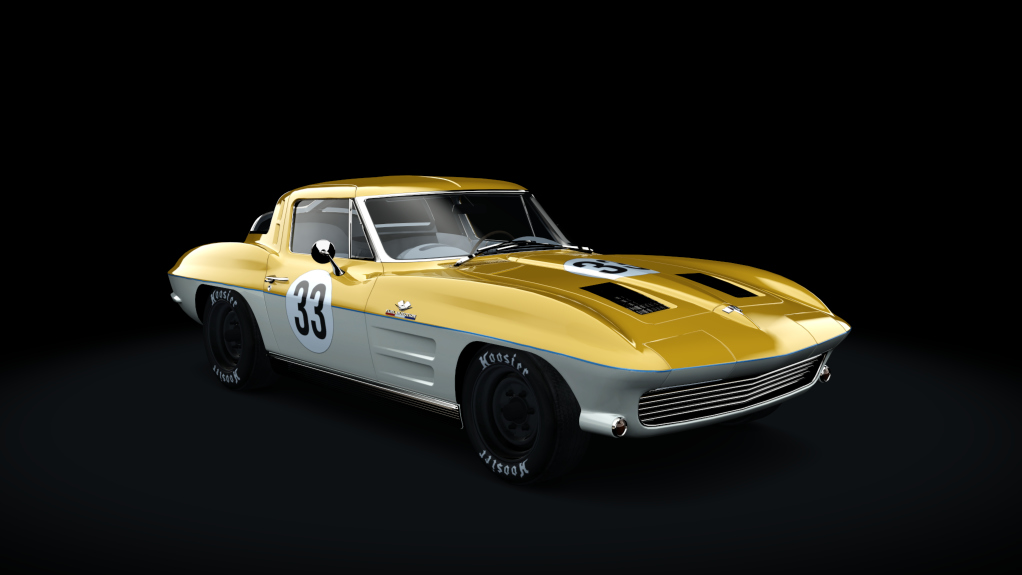
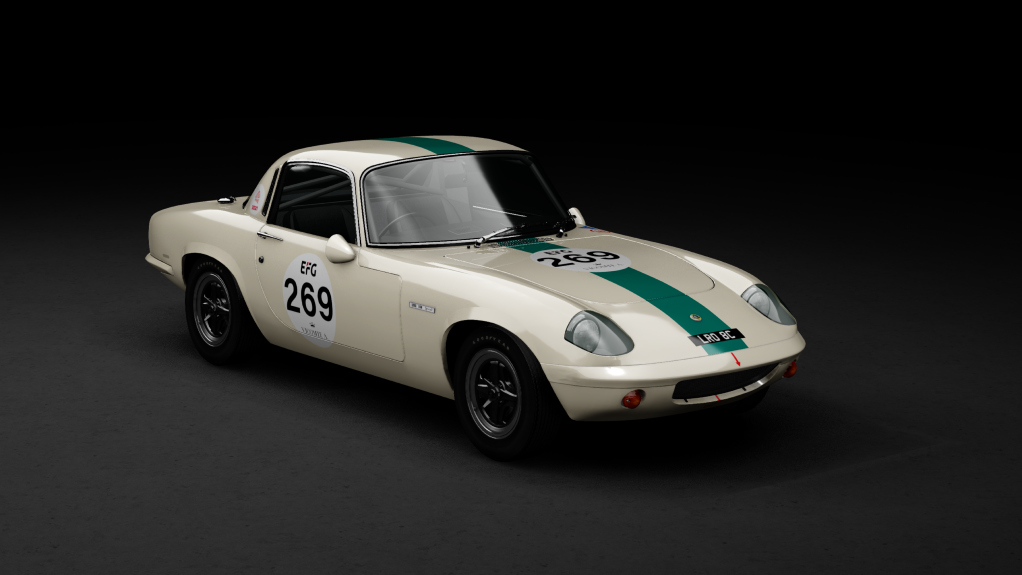
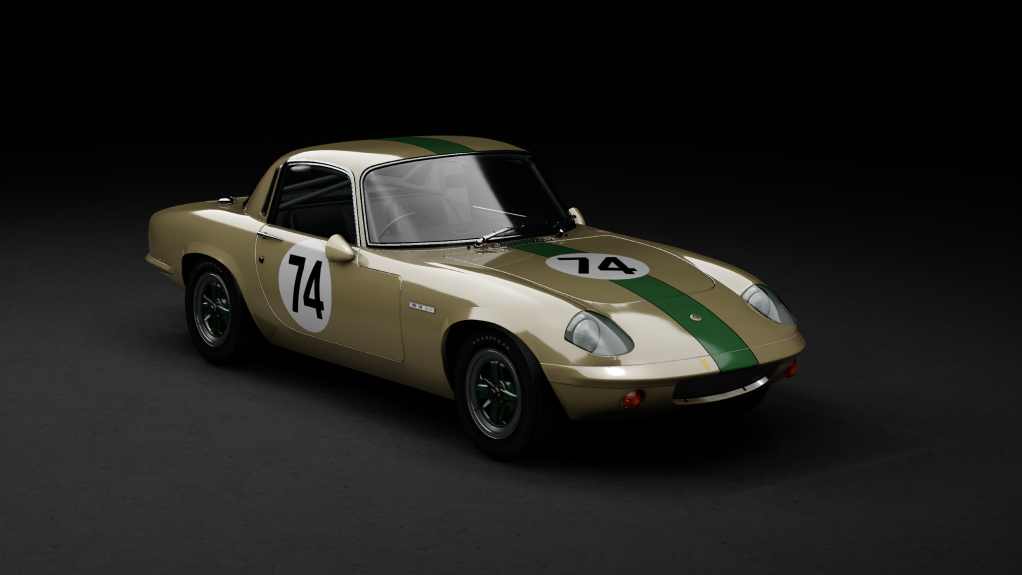
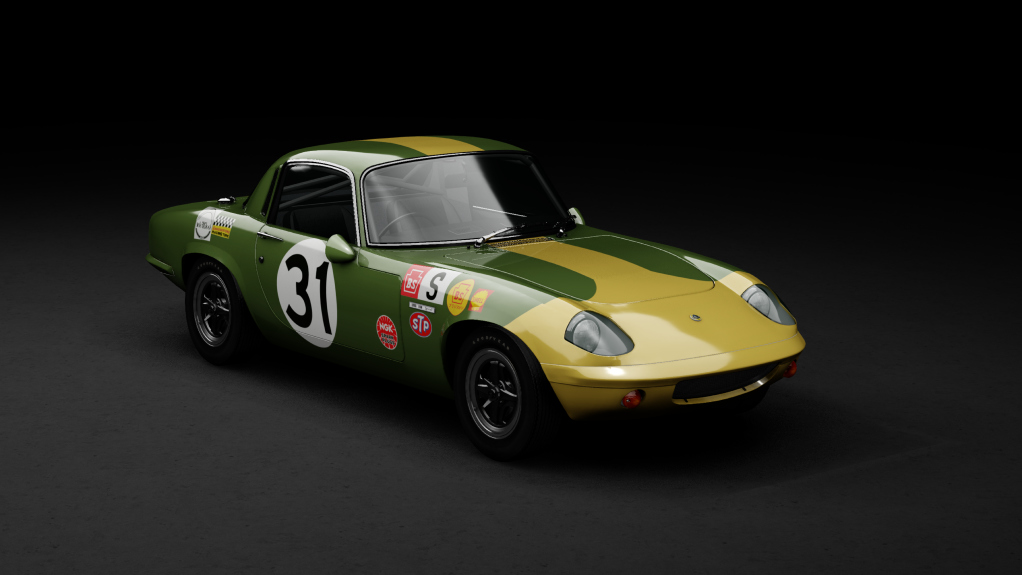
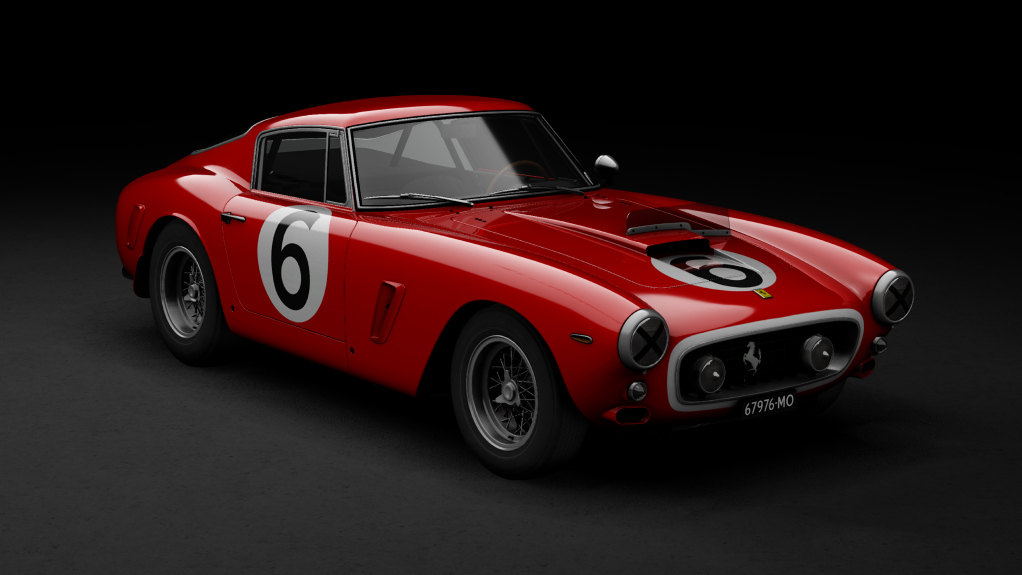
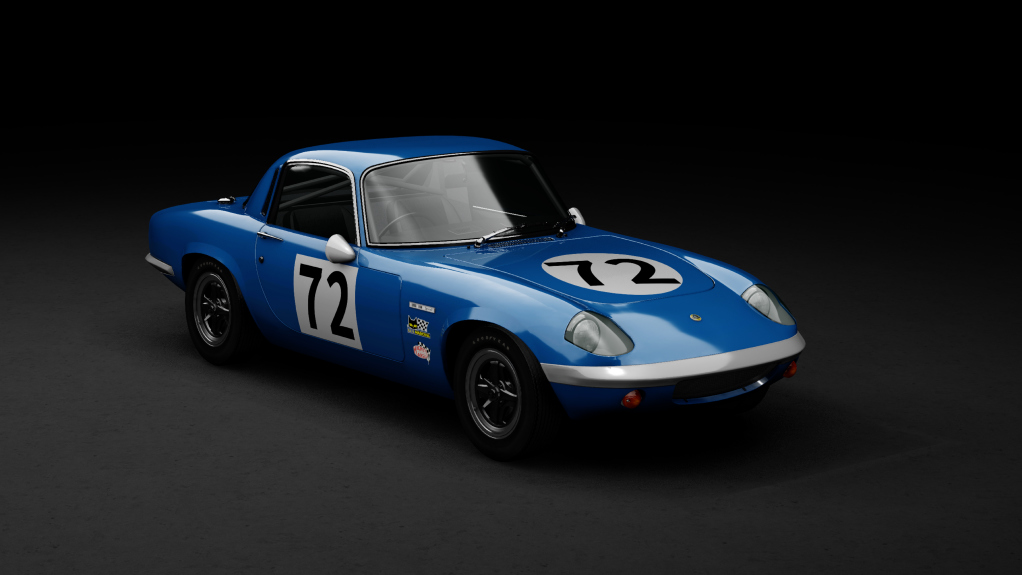
The proper campaign began at Roy Hesketh with Adam Celárek and the Chevrolet Corvette 1963 SCCA immediately establishing the force which would shape the year. Celárek won, with Kasperi Sirén's Lotus Elan 26R second and meisterJaeger, in another Elan, third. There was nothing final about the order at that early stage, but the principal ingredients were already present: the Corvette's authority at the front, the nimble Elan's persistent reply, and an Imkermeister entry that appeared capable of making a sustained contribution.
Bikernieki altered the emphasis without resolving it. Sirén won in the Lotus from meisterJaeger, while Dingo's Porsche took third. Celárek came home tenth but set the fastest lap, a small yet telling indication that an unrepresentative result had not diminished the Corvette's underlying speed. The first two scoring meetings had produced one Corvette victory and one Lotus victory. More importantly, they had shown that Sirén would not be overawed by Celárek's opening success, while meisterJaeger had begun with a third and a second - a sound, if ultimately incomplete, foundation for a Championship challenge.
Longford Breaks the Pattern
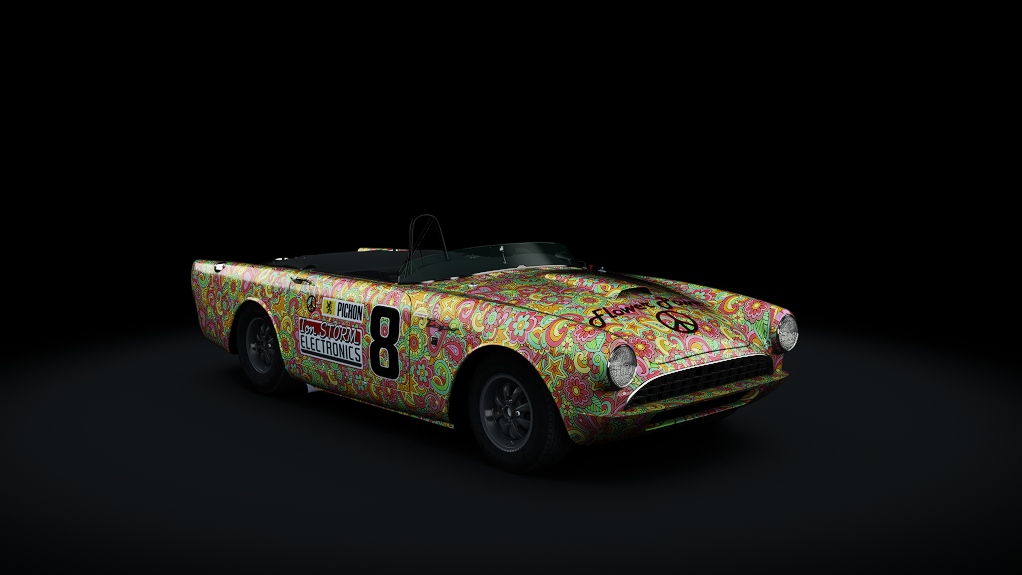
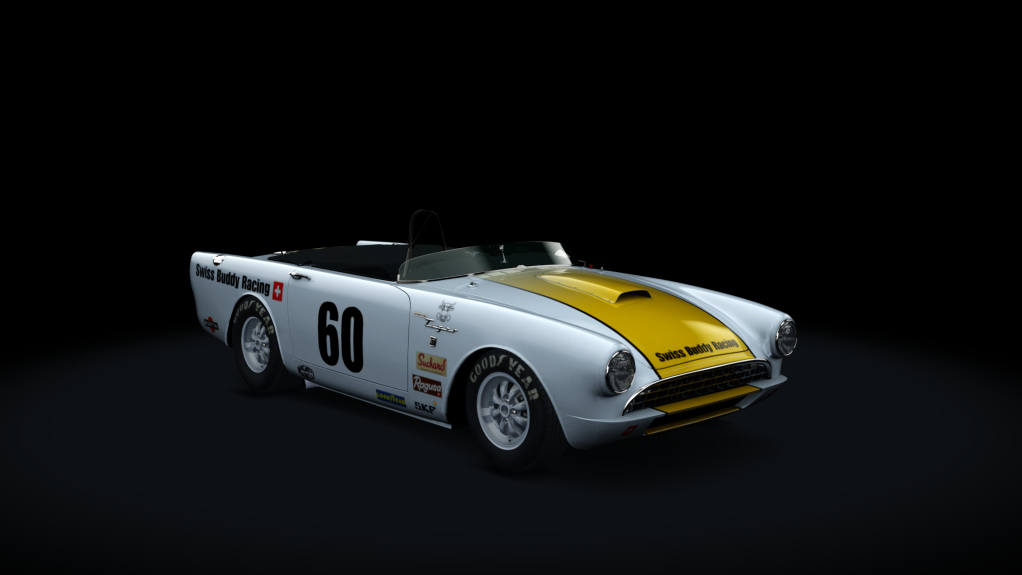
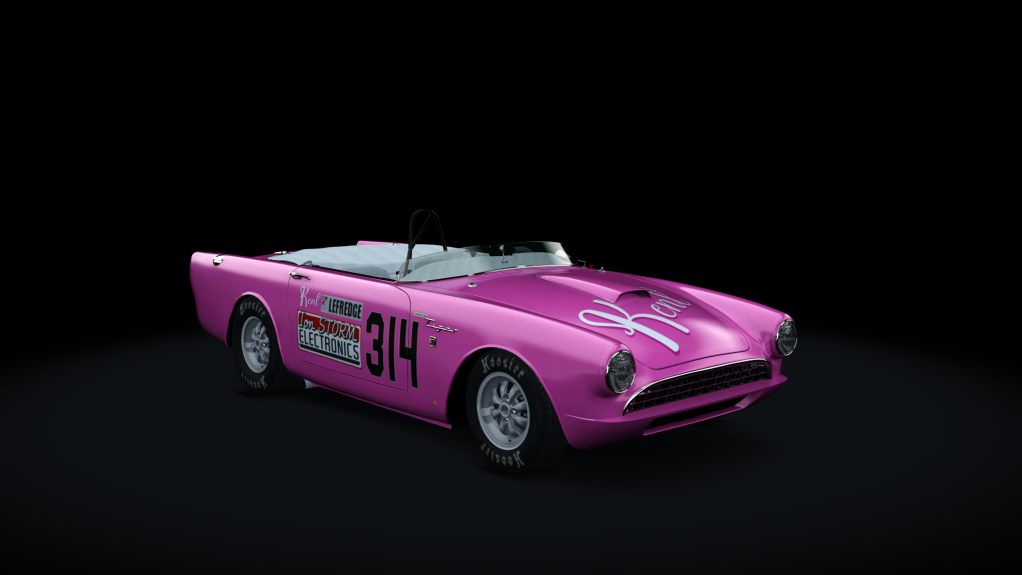
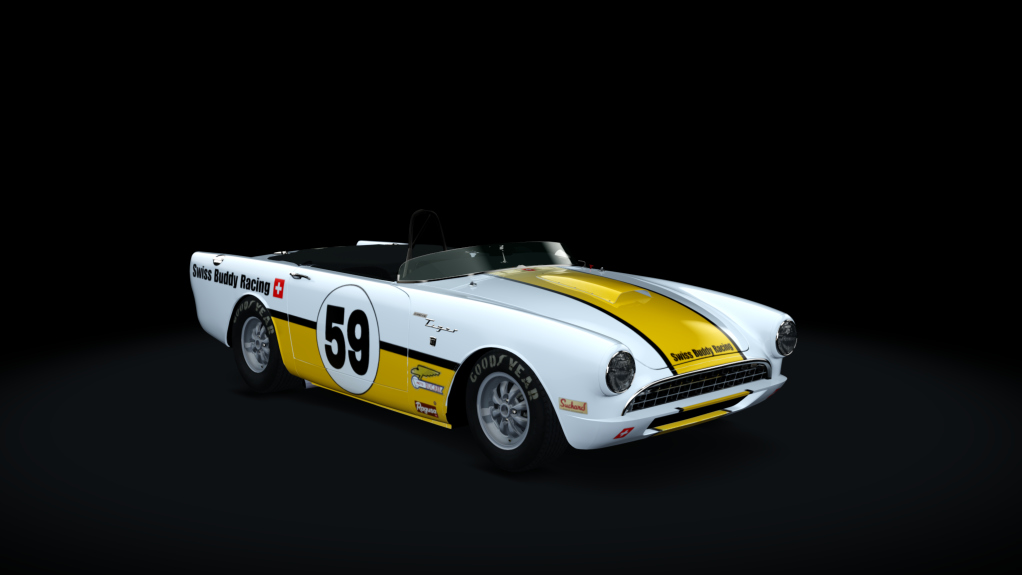
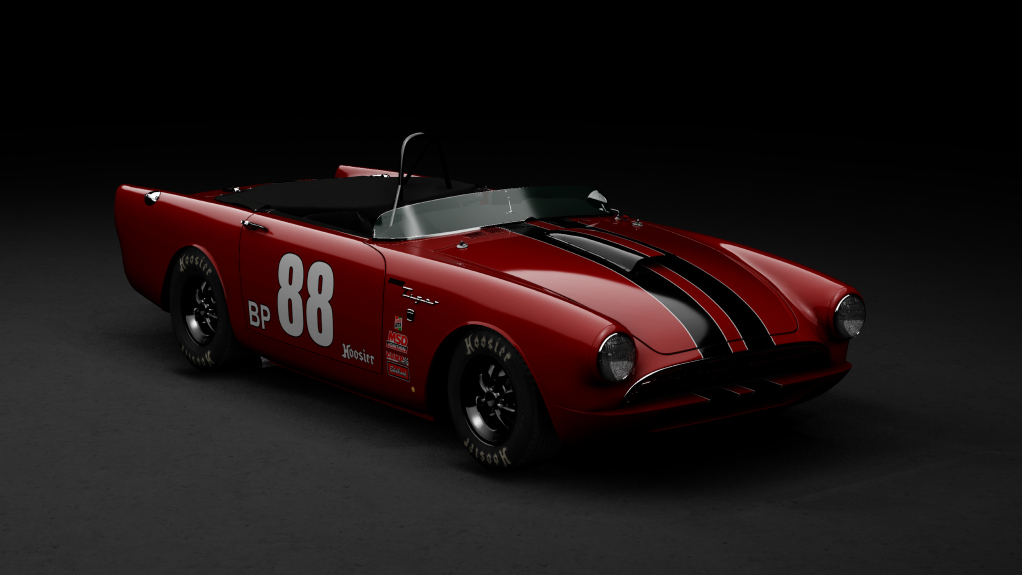
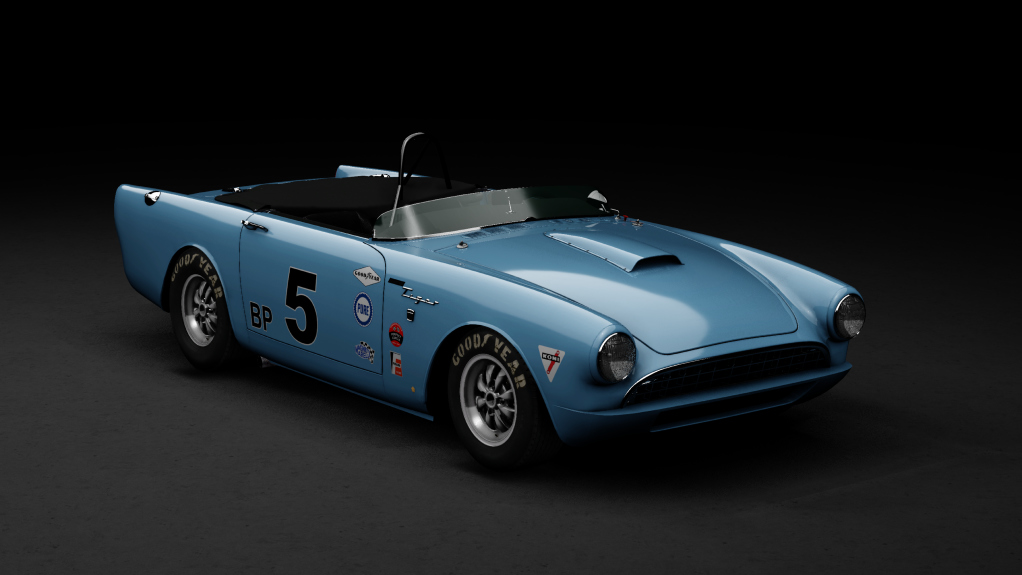
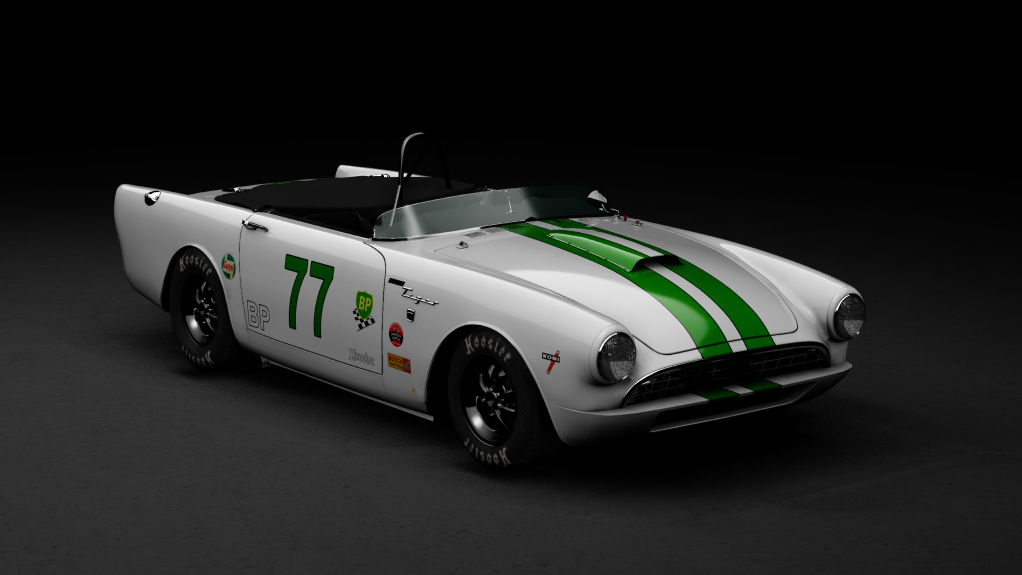
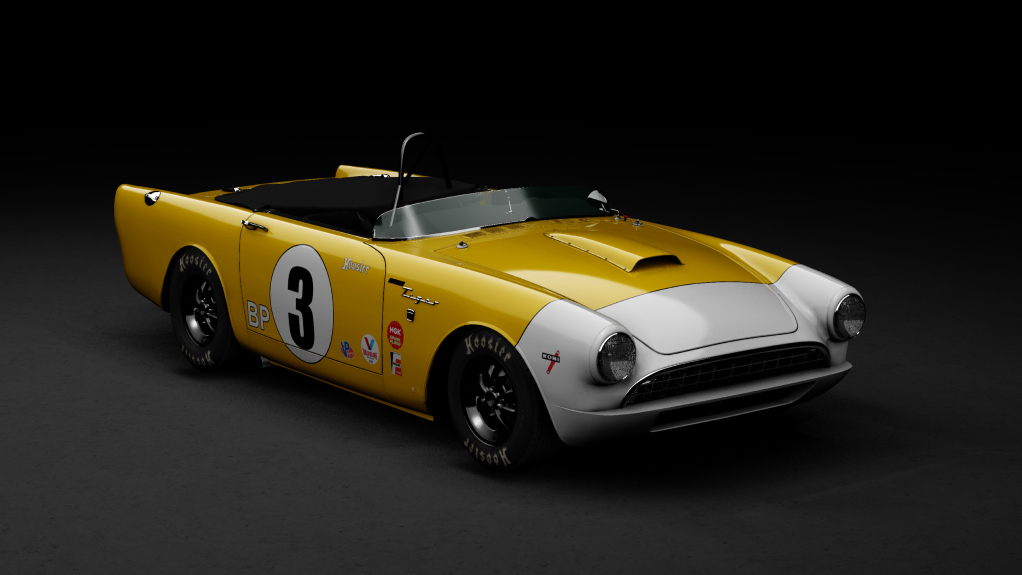
Longford was the season's great interruption. Romain Pichon brought the Sunbeam Tiger MkII through to a deserved victory, Celárek taking second and Richard Rossier giving the Tiger a second podium place in third. It was the one occasion on which the central argument between Corvette and Lotus was displaced by another car and another driver, and Pichon's result deserves its proper weight in the history of the series.
For the two principal contenders, however, the consequences were not equal. Celárek's second place restored order after Bikernieki and kept him close to the front of the score. Sirén, by contrast, was classified fourteenth after completing 23 of the 24 laps. meisterJaeger was classified nineteenth, also after 23 laps. The early Lotus pressure therefore became less a matter of two team-mates against Celárek than of Sirén seeking to recover ground from a single troublesome afternoon.
Longford also gave the Championship a broader character. Pichon went on to take third at Brands Hatch and finished eighth overall on 131 points despite only four starts. Rossier's third remained his sole podium of the season. The Tigers had made their mark, but neither could remain regularly enough in the decisive positions to disturb the title duel over the full distance of the championship.
The Corvette Takes Command
What followed was the decisive middle and late-season sequence. At Marlboro, Celárek won with Sirén second and Dingo third. At Brands Hatch the same first two reappeared, Celárek again first and Sirén again second, with Pichon third. The repeated order was not merely a statistic. It expressed the changing tenor of the Championship: Sirén remained exceptionally close and consistently present, but Celárek had begun to convert the Corvette's pace into the finishes which decide titles.
By the end of Brands Hatch, Celárek had three wins, one second place and four top-two finishes from five rounds. Sirén had one victory, three second places and the same four top-two finishes. The distinction lay in the shape of their results. Sirén's season had great resilience, returning from Longford with three consecutive second places, but Celárek's three victories carried a heavier authority. His sequence from Marlboro onwards was becoming difficult to assail.
The championship's dropped-score provision formed part of the background throughout, with each driver's poorest eligible result omitted as the season developed. Yet the final margin was not a quirk of bookkeeping. Celárek and Sirén each appeared in the top two five times, and both had ample opportunity to demonstrate their standing. Celárek simply turned more of those appearances into victories: four to Sirén's one.
Behind them, the season did not lack depth. Potatohedron recovered from a difficult early sequence to take fifth at Marlboro, then fourth at Brands Hatch and fourth again at Castle Combe, climbing to fourth in the final table on 142 points. MeisterJaeger, meanwhile, had begun with the strongest supporting record in the field but could not sustain it through the middle meetings. Sixth at Marlboro and seventh at Brands Hatch left a great deal resting on the final round. Dingo, with two third places in four starts, was another who demonstrated Porsche 904 speed without assembling a complete campaign.
Castle Combe and the Final Order
Castle Combe brought the contest back to its established form. Celárek won the 54-lap race in the Corvette, Sirén was second in the Elan, and meisterJaeger third. Celárek thus ended with three consecutive wins, while Sirén completed an equally notable run of three consecutive second places. Neither man had yielded the initiative easily; the difference was that the Corvette had reached the flag first on each of the final three occasions.
The official final Championship declared Celárek champion on 197 points for Side Heart Motorsports. Sirén, driving for KSM Racing, was second on 188, nine points behind. MeisterJaeger placed third for Imkermeister Motorsport on 162 points. The top three was thus divided between Celárek's Corvette and the two Lotus Elans of Sirén and meisterJaeger, a result which accurately reflects the season's principal mechanical and sporting contrast.
Celárek's final record was emphatic: six starts, four first places, one second place and five podiums, all of them top-two finishes. Sirén matched him for five top-two results and five podiums from six starts, but his return comprised one win and four second places. It was an admirable campaign of response and recovery, but the Longford classification and Celárek's relentless conclusion gave the title its direction. MeisterJaeger recorded one second place and two thirds among three podiums, retaining third in the final Championship despite the greater inconsistency of the middle rounds.
There was a pleasing variety beneath the leaders. The Lotus Elan 26R was the most frequent podium car with eight appearances, ahead of the Corvette's five, while the Sunbeam Tiger took three and the Porsche 904 two. But the championship itself was settled less by a general superiority of one type over another than by the uncommon clarity of Celárek's closing work. The Corvette may have been the instrument, yet the title belonged to the driver who converted a close opening, an awkward interruption and a determined rival's pressure into a final sequence no one could better.
GTC60 Championship IV will be remembered as a six-round contest in which Sirén made Celárek earn every advantage, Pichon and the Tigers supplied the season's necessary surprise, and the Lotus remained a constant presence on the rostrum. In the end, however, Celárek's Corvette possessed the decisive quality of the year: not simply speed, but the capacity to make speed count when the Championship entered its final, unforgiving phase.