Masse Prevails After a Season of Narrow Margins
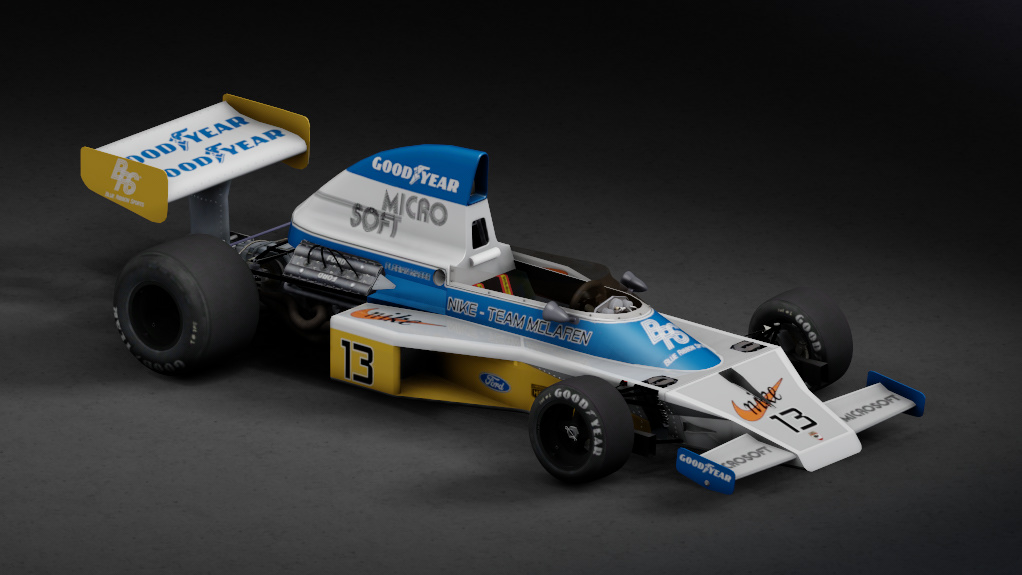
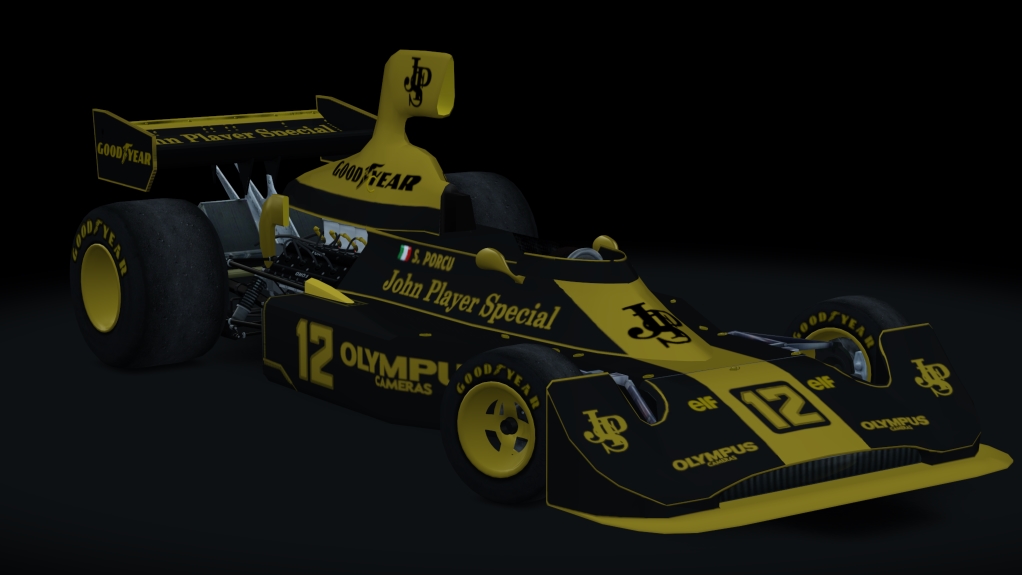
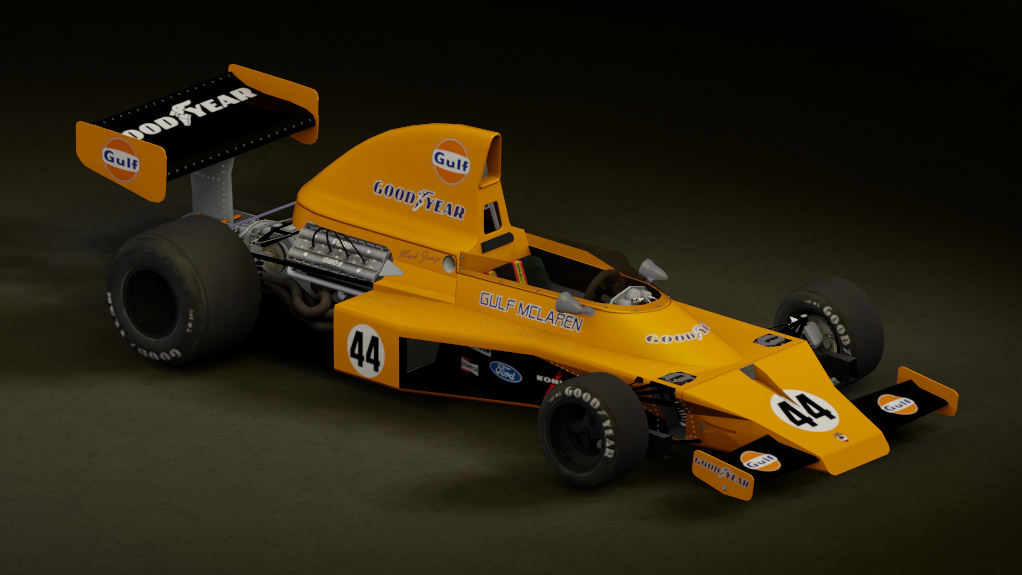
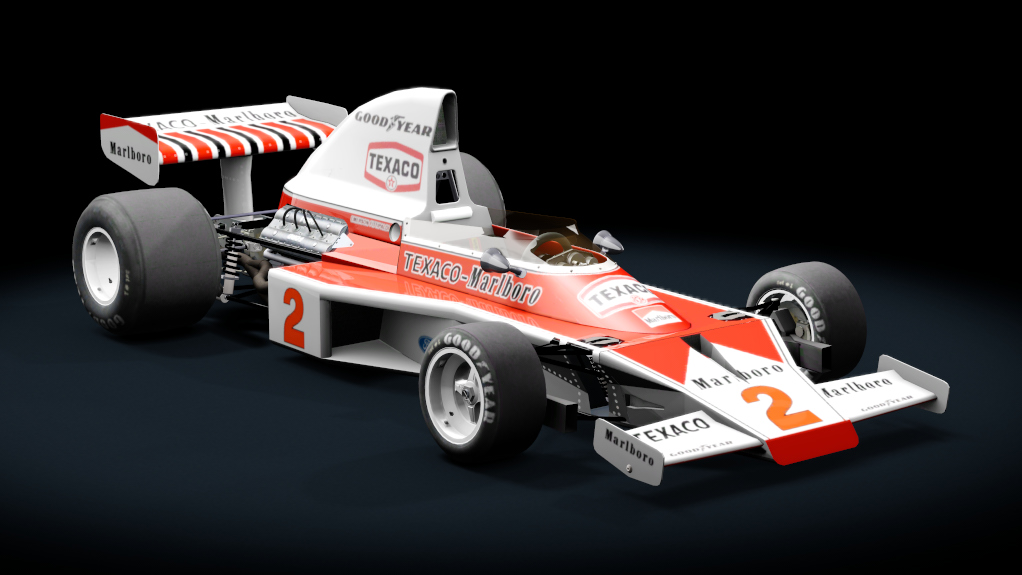
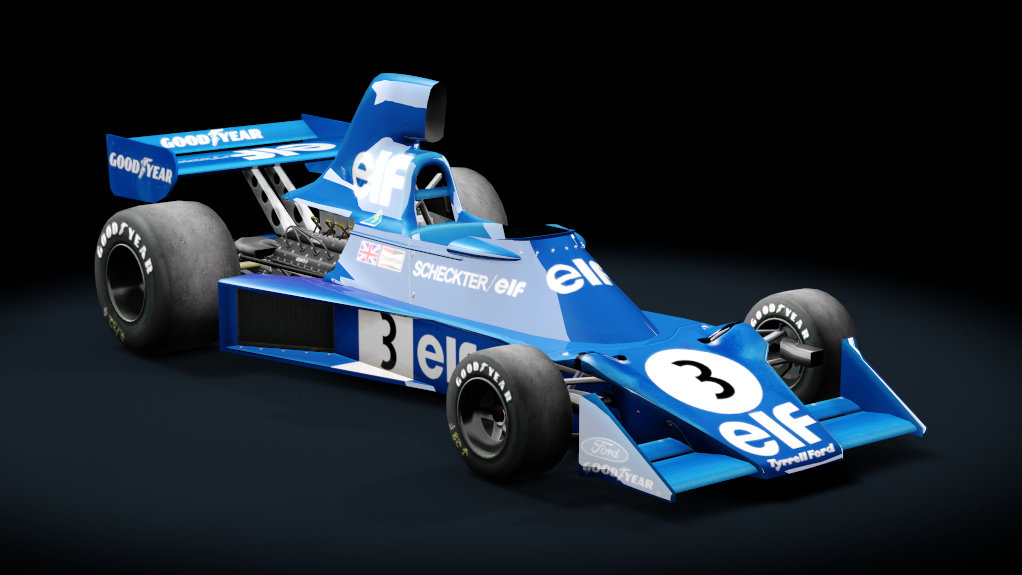
Florian Masse and Simone Porcu each placed in the first two five times, yet the Championship belonged to the McLaren driver by nine points. The difference was not merely speed, though Masse had ample supply of that, but the manner in which he recovered from Silverstone and made the final two rounds his own.
An opening balance
This was a short Championship, but not a simple one. Its six races produced a sustained argument between McLaren and Williams, between Florian Masse's capacity to win and Simone Porcu's refusal to yield ground. The final arithmetic gave Masse 197 points to Porcu's 188, with pitman third on 173, but the shape of the contest was established long before Zandvoort. Masse had four victories and one second place among his five top-two results; Porcu had one victory and four second places in an equally impressive total of five top-two finishes. Neither man was often absent from the forefront. The distinction lay in the occasions when Masse converted contention into victory.
Interlagos supplied the first indication. Masse won in the McLaren, with pitman second in another McLaren and FMG third for BRM. At that early stage the dropped-score regulation gave every driver a result to discard, so the opening race itself did not yet separate the Championship table. Nevertheless, it announced both the McLaren strength and the form that Masse would carry through the campaign.
Kyalami immediately complicated the matter. Simone Porcu won for Williams ahead of Masse, while Elia Porcu took third. Once the first two results had been weighed under the dropped-score rule, Masse and Simone Porcu shared the Championship lead on 40 points. McLaren and Williams also stood level on one race victory apiece. It was an appropriate beginning: the season was to turn on small but persistent differences, rather than a single early advantage.
Masse takes the initiative
Montjuic was the first occasion on which the balance tipped meaningfully. Masse won again, Porcu was second and Elia Porcu third, thereby making the leading pair the central figures of the Championship. After three rounds, Masse led on 80 points; Porcu was second on 77, three points behind. pitman, classified fourth at Montjuic, held third place in the Championship on 68 points, 12 behind Masse. The leading McLaren had two victories and a second place from its first three starts, while the Williams had answered its Kyalami victory with second place at Montjuic.
There was, too, a broader pattern in the podiums. Williams had the depth to put Elia Porcu third at Kyalami and Montjuic, just as McLaren had begun with its Interlagos one-two. Elia would take third again at Silverstone, making three podiums from four starts, before being classified 15th after completing one lap at the Osterreichring. It was a valuable supporting presence during the middle of the year, although the title fight itself remained increasingly confined to Masse and Simone Porcu.
Masse's advantage after Montjuic was slender, but it was earned in the most convincing fashion: a win, a win, and a second place, with only Porcu's Kyalami success interrupting the McLaren sequence. The Championship had not escaped Porcu, but he was now required to pursue rather than merely respond.
Silverstone changes the texture
Silverstone was the season's crucial interruption. pitman took his first victory, Porcu was second and Elia Porcu third. Masse, whose campaign until then had been composed entirely of first and second places, was classified 23rd after completing only three laps. The dropped-score rule had a direct and useful effect for him: that zero-point Silverstone result became his discarded score. Thus Masse remained Championship leader after four rounds on 117 points, but Porcu was second on 114, only three points behind. pitman stood third on 108, nine behind the leader.
The result did more than reduce a numerical margin. It changed the atmosphere of the season. Porcu's second place was his third top-two result in four rounds and his second consecutive classified result at the flag in that position. Masse had escaped the immediate points damage through the discard, but he could no longer afford the assumption that a McLaren victory was the natural order. pitman, meanwhile, had turned steady early work - second at Interlagos and fourth-place classifications at Kyalami and Montjuic - into a victory that put him within sight of the two principal men.
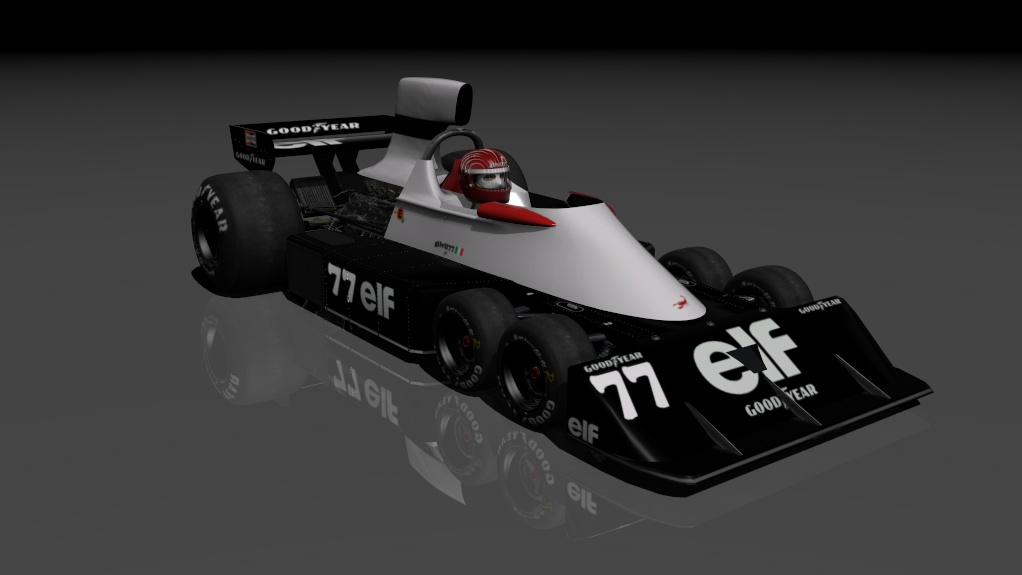
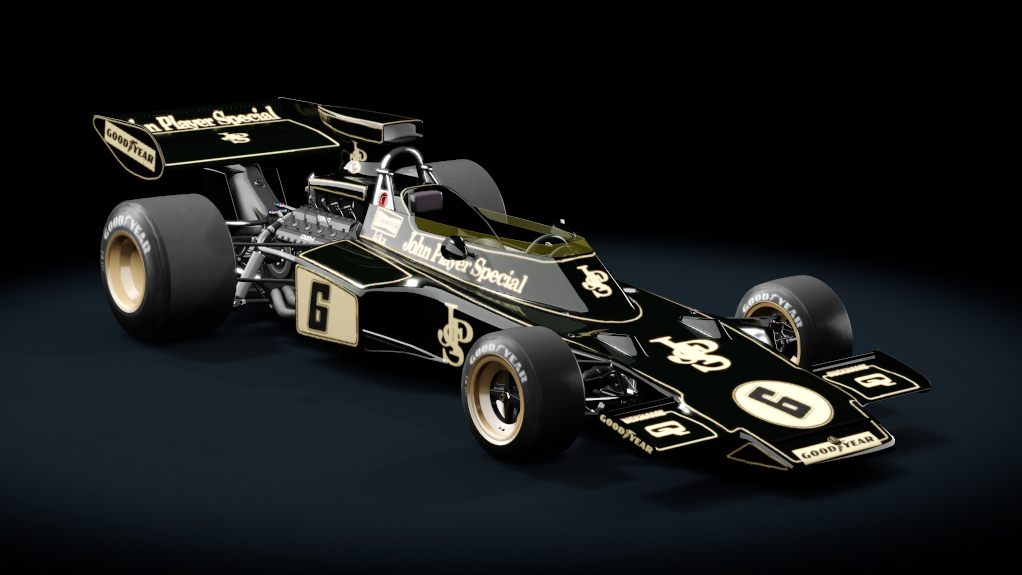
Silverstone also revealed the variety beneath the leading contest. Ali Riza Tuncel was fourth in the Lotus 72E, while Mark Johnson was classified fifth and Kasperi Siren sixth. Siren's campaign had been remarkably steady in the early rounds, with classifications of sixth, fifth, fifth and sixth, and it gave the Surtees driver a sound platform for the stronger result still to come. But none of these efforts altered the essential fact: after Silverstone, the Championship had become a three-point duel at its head.
The response at the Osterreichring
The answer came at the Osterreichring, where Masse returned to first place and Porcu again took second. It was the decisive reassertion of Masse's authority. The McLaren driver now led the Championship on 157 points; Porcu, second in the table on 151, trailed by six. pitman was fourth in the race and remained third in the Championship on 139 points, 18 behind Masse.
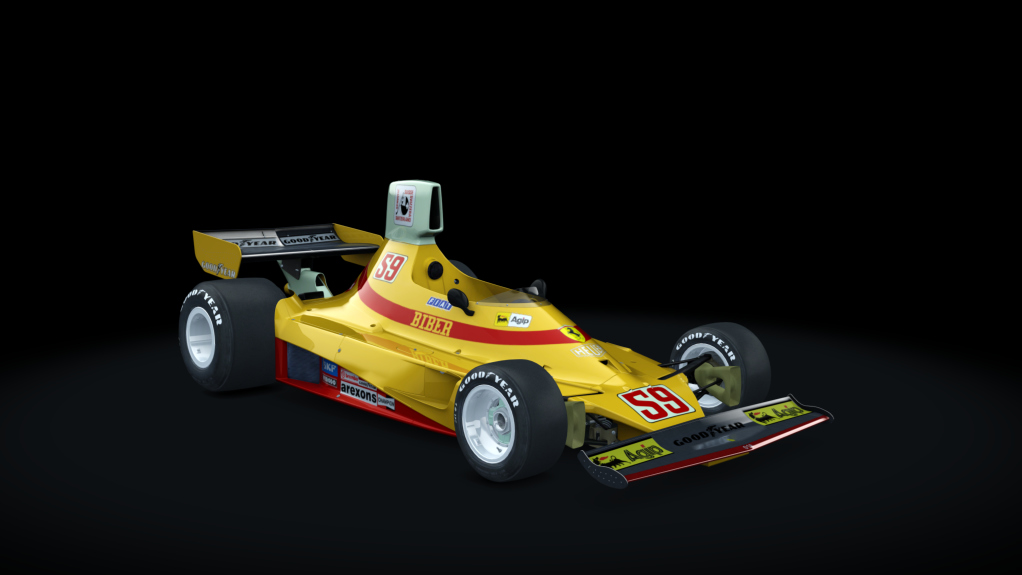
The race also belonged in part to Kasperi Siren, who brought the Surtees to third for his sole podium of the completed season. It was one of only two podium appearances all year not claimed by McLaren or Williams, the other being FMG's BRM third at Interlagos. Siren ultimately finished fourth in the Championship on 152 points, a handsome outcome for a driver whose season was founded less on headline results than on persistent useful classifications.
Porcu's Osterreichring second place nevertheless mattered greatly. It was his third consecutive second place and his fourth top-two result from five rounds. Far from folding after Masse's recovery, the Williams driver kept the pressure exact and visible. Yet Masse had restored a margin which, in a six-race series with one score dropped, carried real weight. Silverstone had become the discarded anomaly rather than the beginning of a collapse; Porcu's Interlagos fourth place remained his own discarded result. The final round would therefore settle the order on the merits of each man's stronger five scores.
Zandvoort and the final order
At Zandvoort, the Championship received its proper conclusion. Masse won, Porcu took second and pitman third. For Masse it was a fourth victory of the season and a fifth top-two finish; for Porcu it was a fourth consecutive second place, completing his own sequence of five top-two finishes. The final result was neither a rout nor a mere reward for one good afternoon. It was the confirmation of an entire season in which the two leading drivers had repeatedly met at the front.
Masse was Champion with 197 points, nine ahead of Porcu. His final discarded result was the zero-point Silverstone round, while Porcu's discarded score was his 31 points from Interlagos. pitman completed an all-McLaren, Williams, McLaren top three on 173 points. His single victory, single second place and single third place made three podiums, and third in the Championship was a fair reflection of a season which briefly placed him near the summit after Silverstone without quite allowing him to sustain the challenge through the closing rounds.
Behind them, Siren's 152 points headed Nat on 138 and Mika Hakala on 133. Eetu Karjunen took seventh on 131 after being classified fourth at Zandvoort, while Max Solmyr was eighth on 127. These were useful campaigns of accumulation, but the front of the table had a clearer character. McLaren and Williams each made eight podium appearances, and their rivalry supplied all six victories: McLaren took five, Williams one.
The final impression is of Masse's resilience. He began with victory, built the lead at Montjuic, endured the severe setback of a 23rd-place classification at Silverstone, and replied with consecutive wins at the Osterreichring and Zandvoort. Porcu's season was every bit as resolute, especially in the four successive second places which carried him to the very end. But Masse possessed the extra victories, and in this Championship that was the margin which could not be overcome.
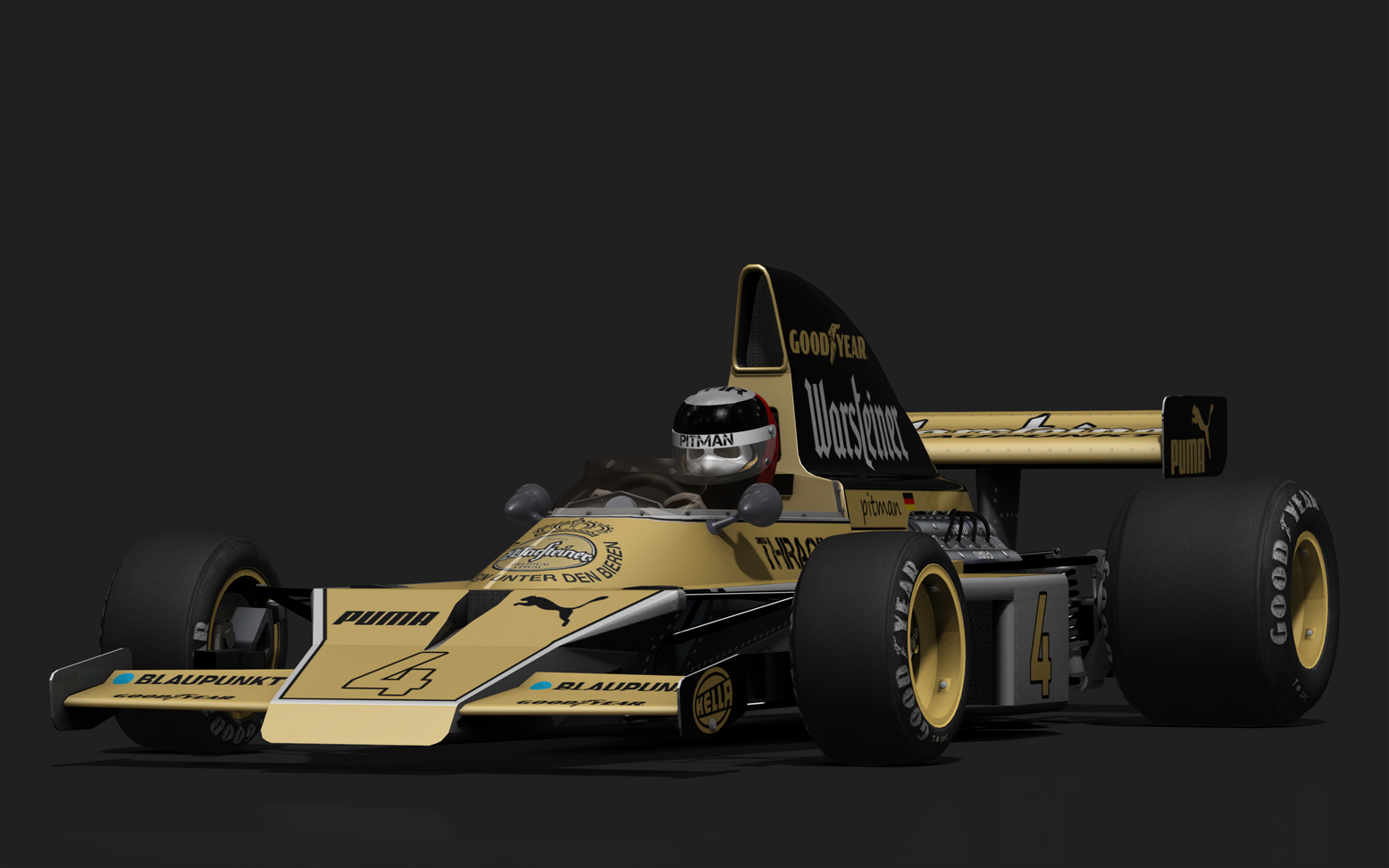
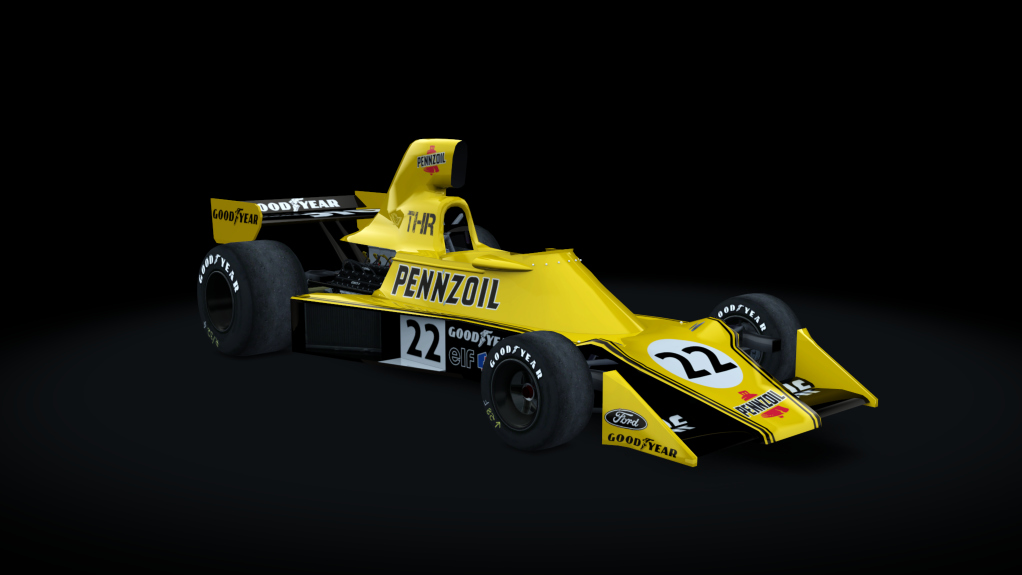
TH Racing's Masse and pitman occupied first and third in the Drivers' Championship, and the team won the Teams' Championship with 370 points. Yet the season will chiefly be remembered for the quiet, sustained pressure of Masse versus Porcu: McLaren's winning edge against Williams' remarkable regularity, settled at last by nine points.