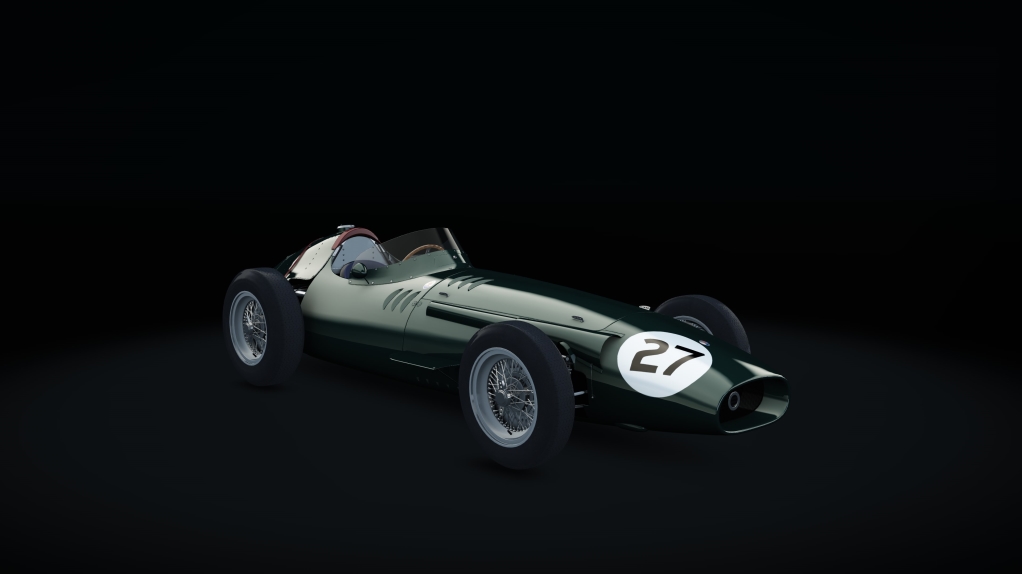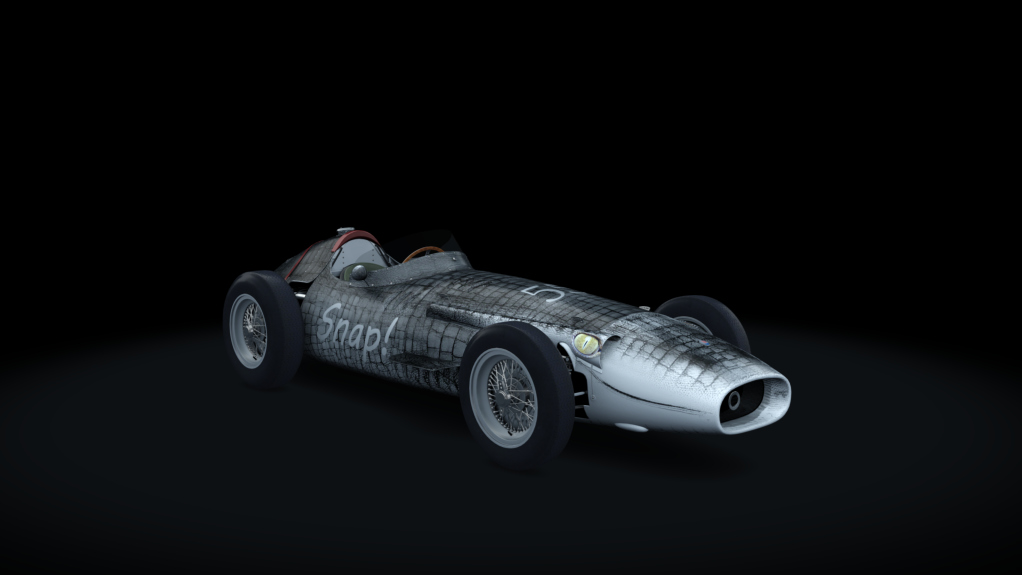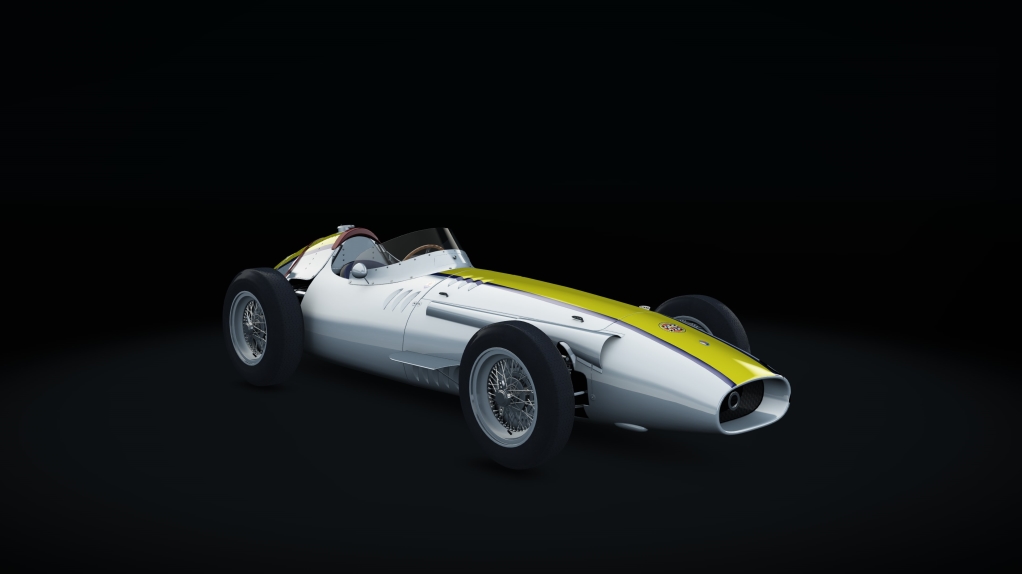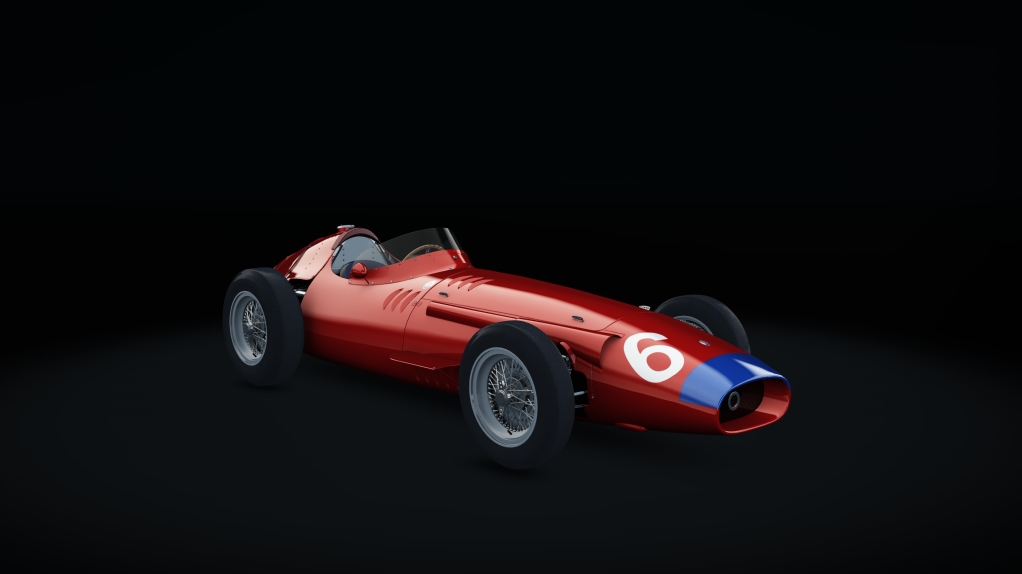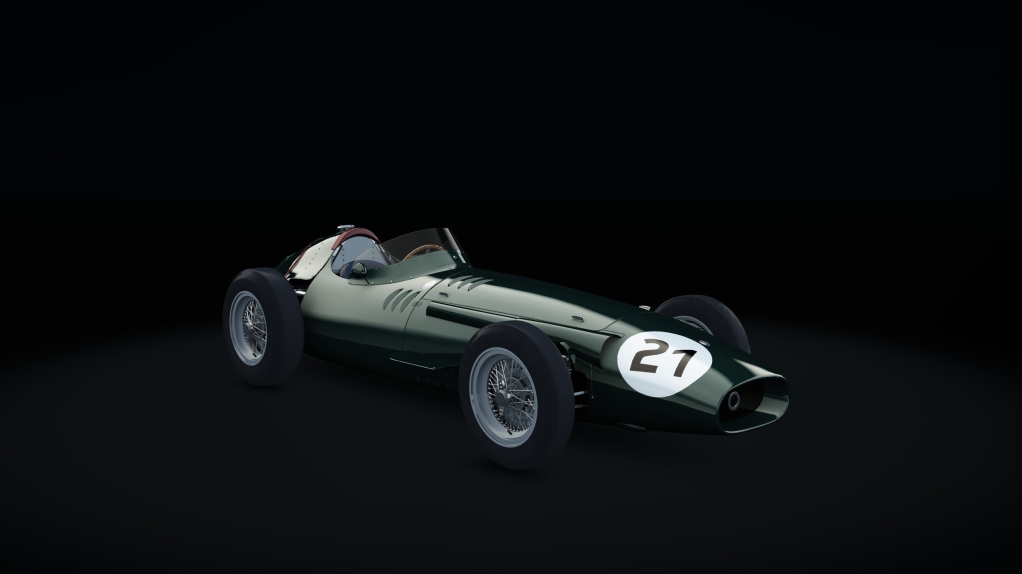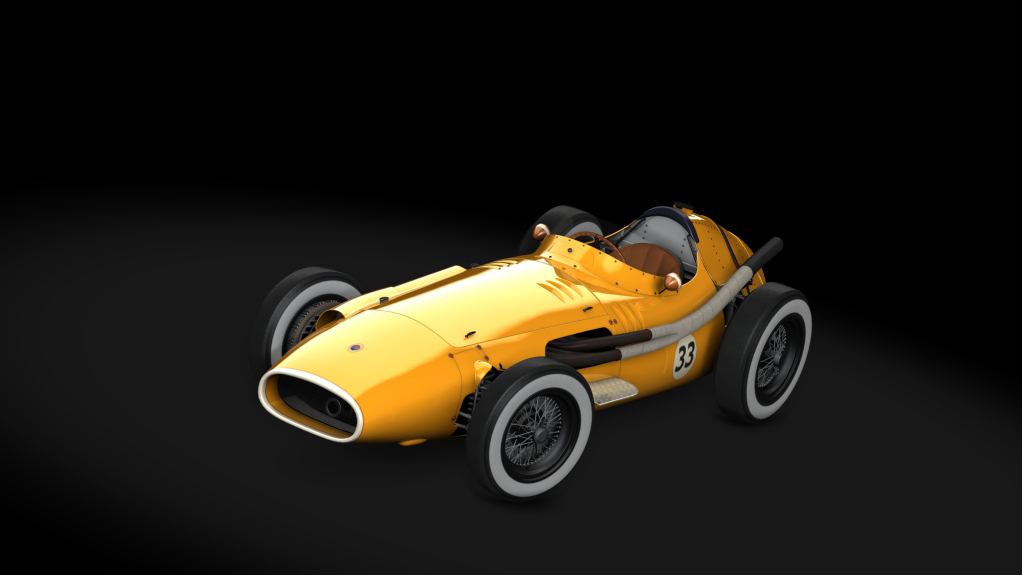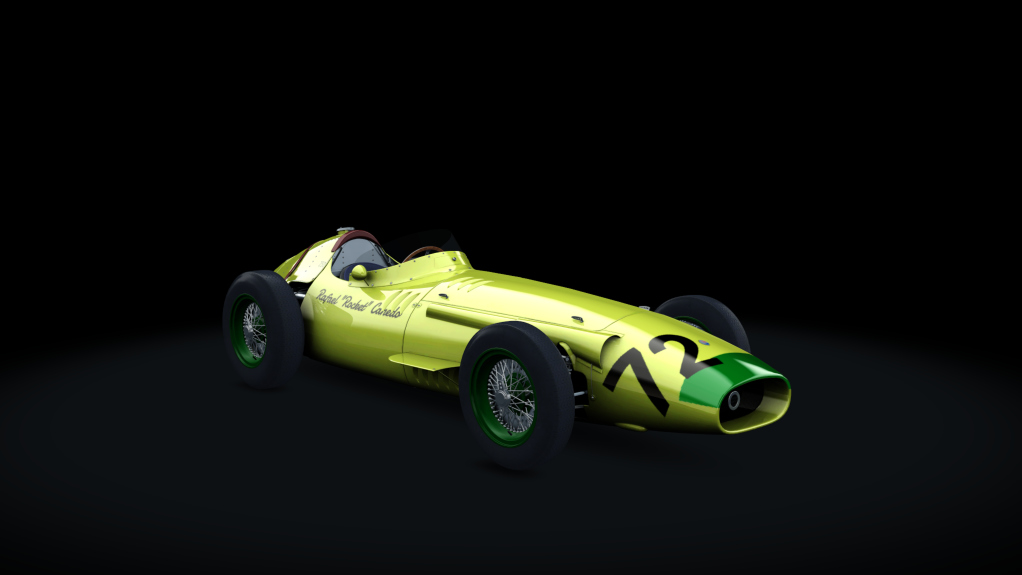
Knechtel Prevails as the 250F Season Turns on Measure Rather Than Fury
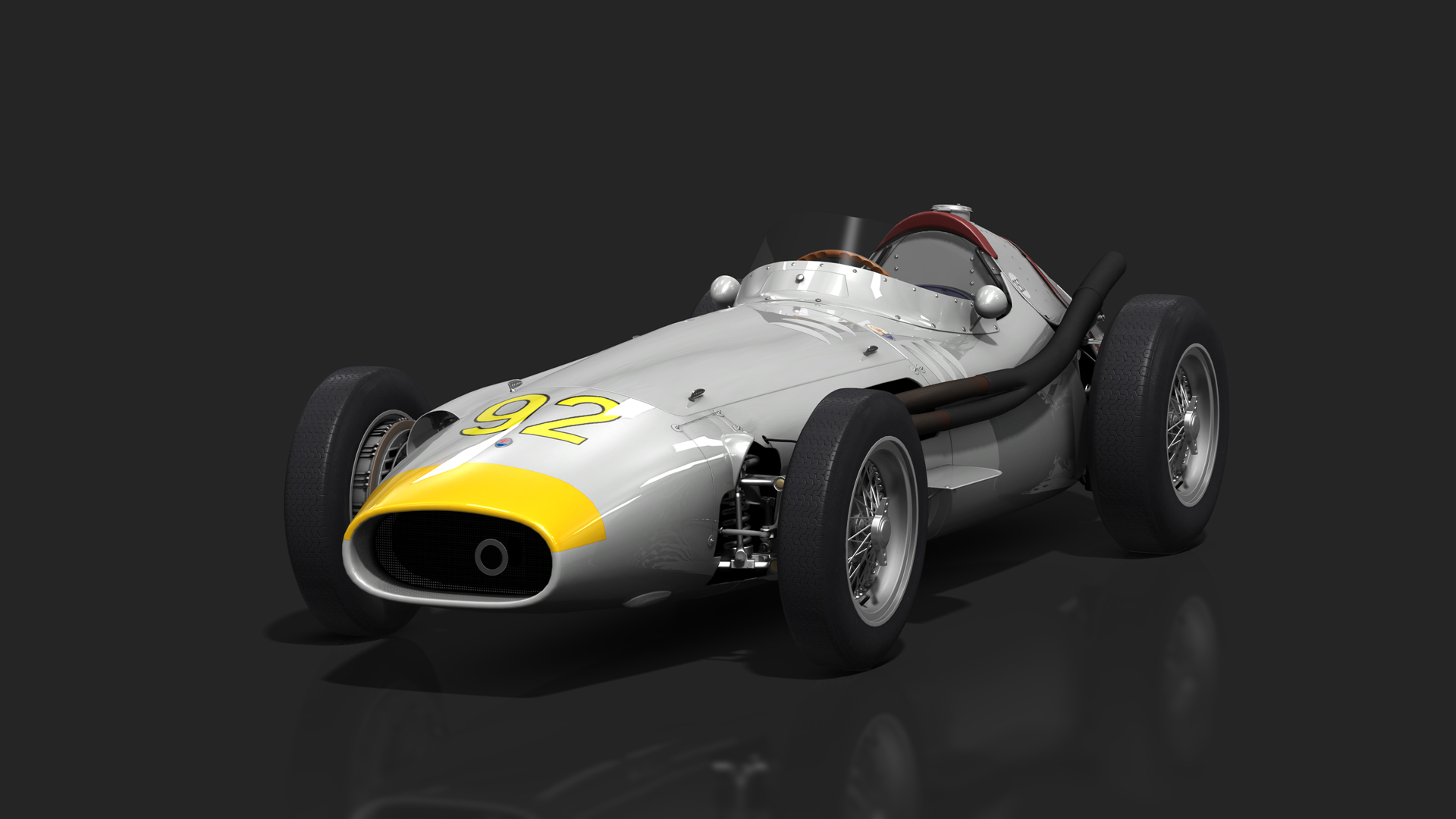
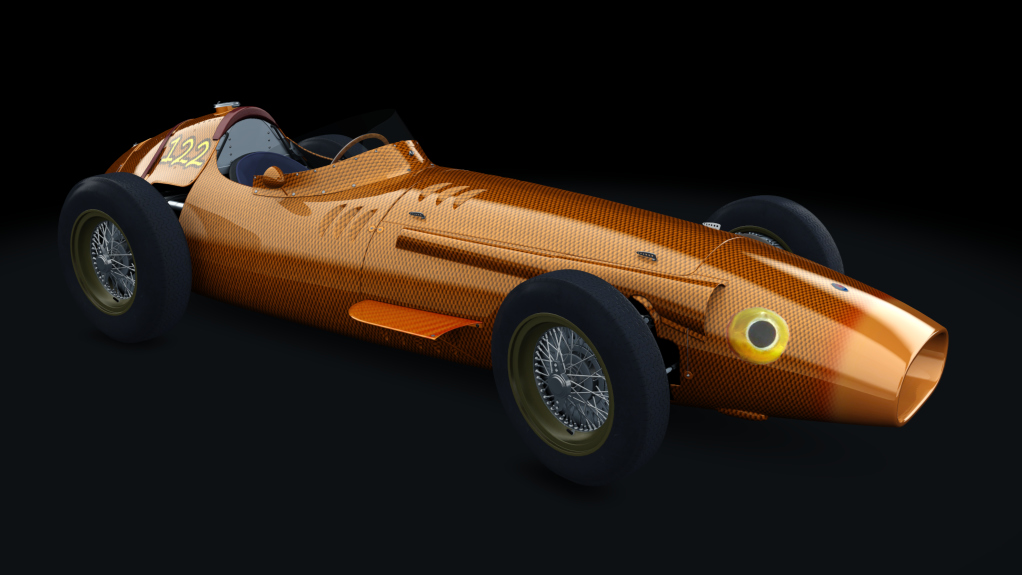
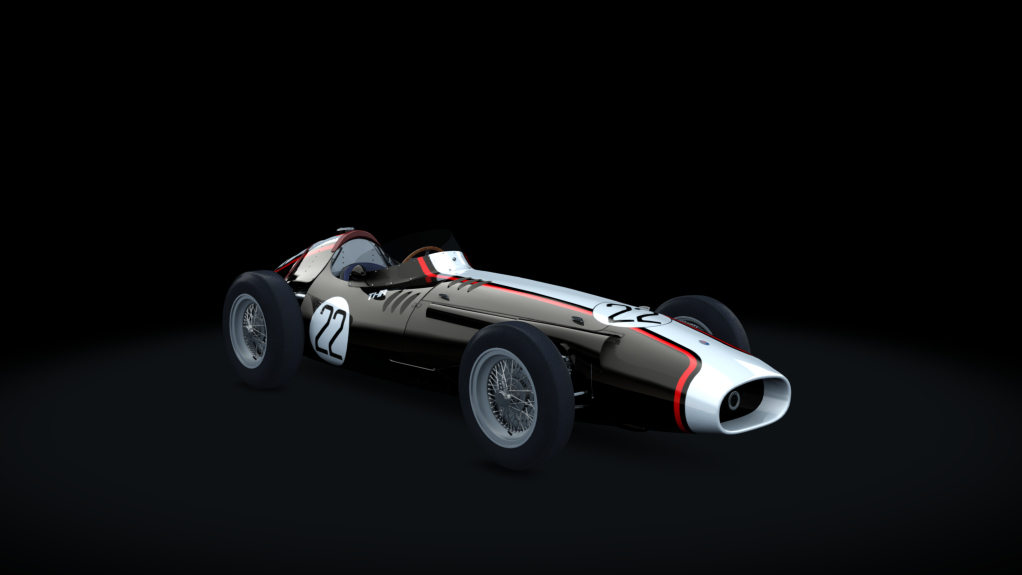
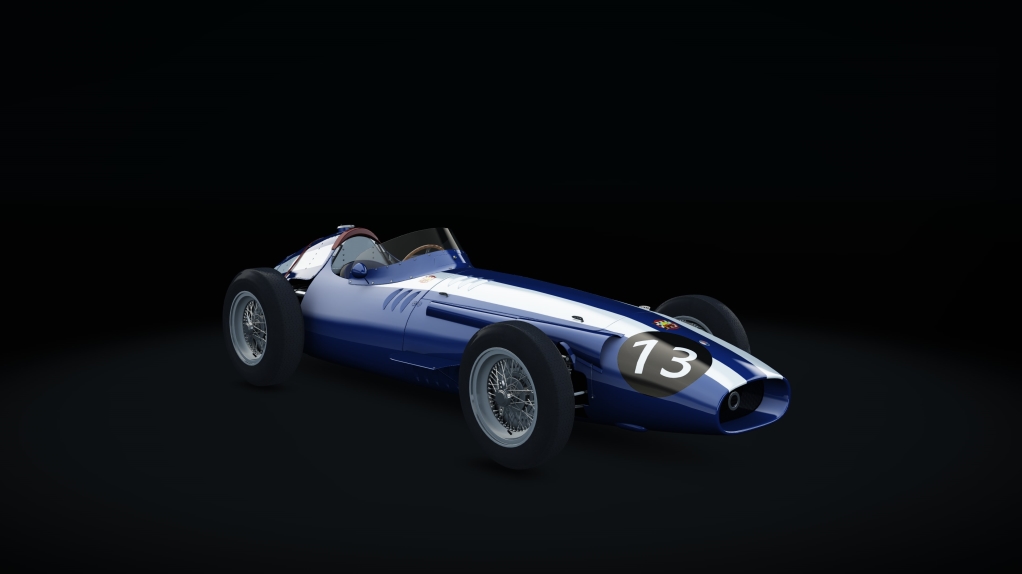
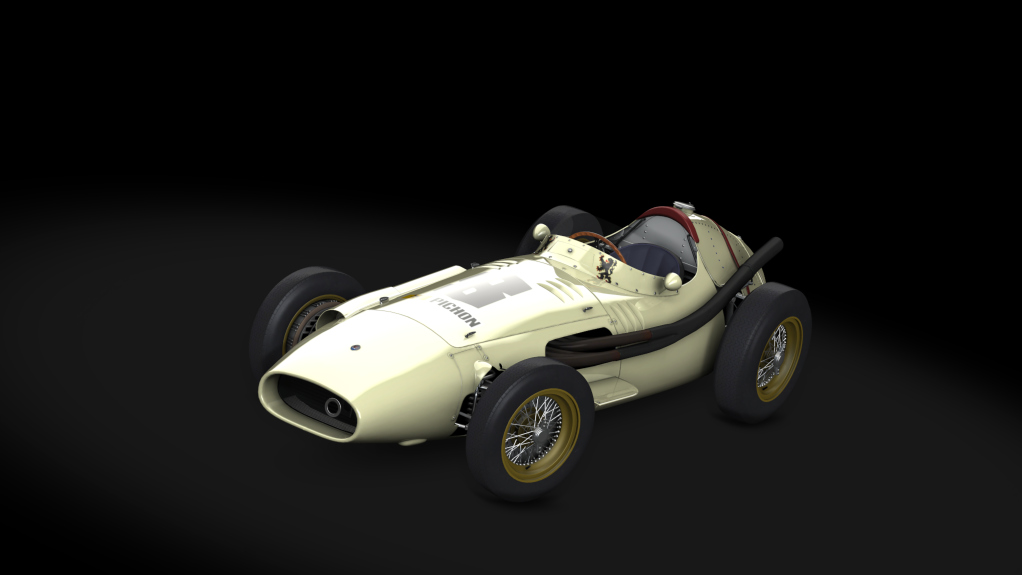
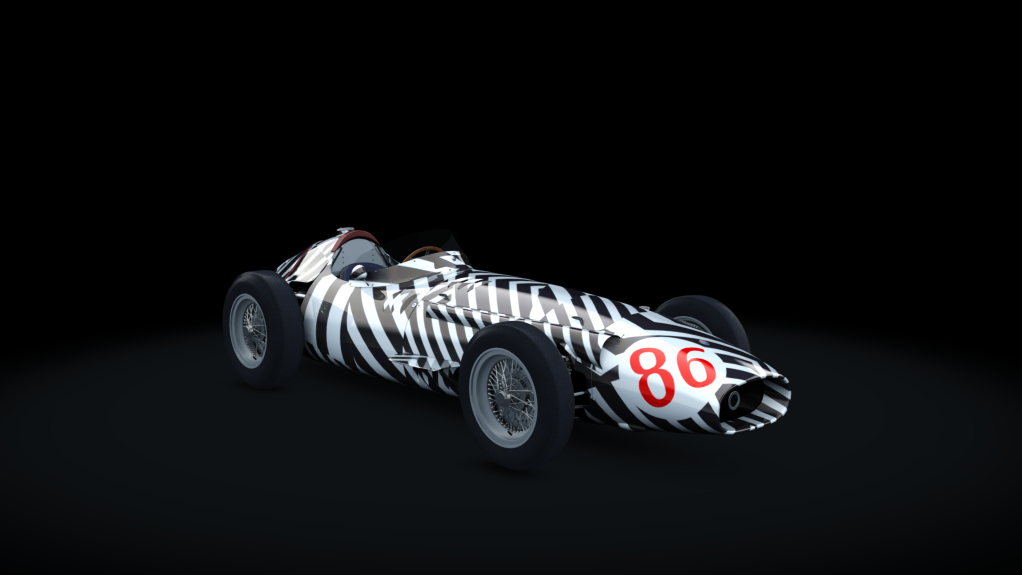
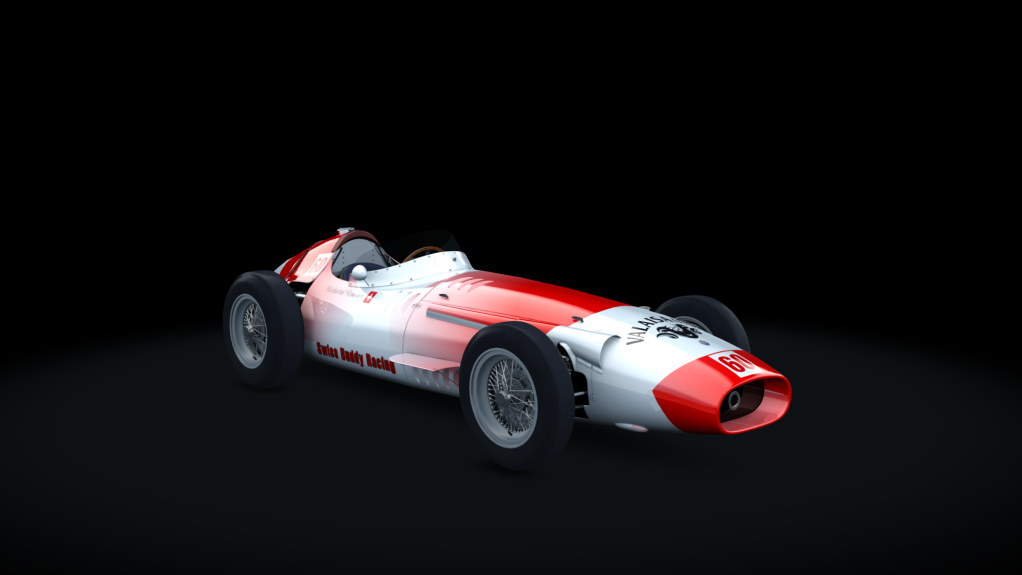
The Maserati 250F Championship began with a scattered cast of front-runners and ended with Valentin Knechtel of Schwabenstolz Motorsport holding off FMG's late double victory. Florian Masse supplied the early authority, Flashor the opening flourish, but Knechtel's four top-two results in five starts gave the six-round contest its final and most convincing shape.
A field without a settled order
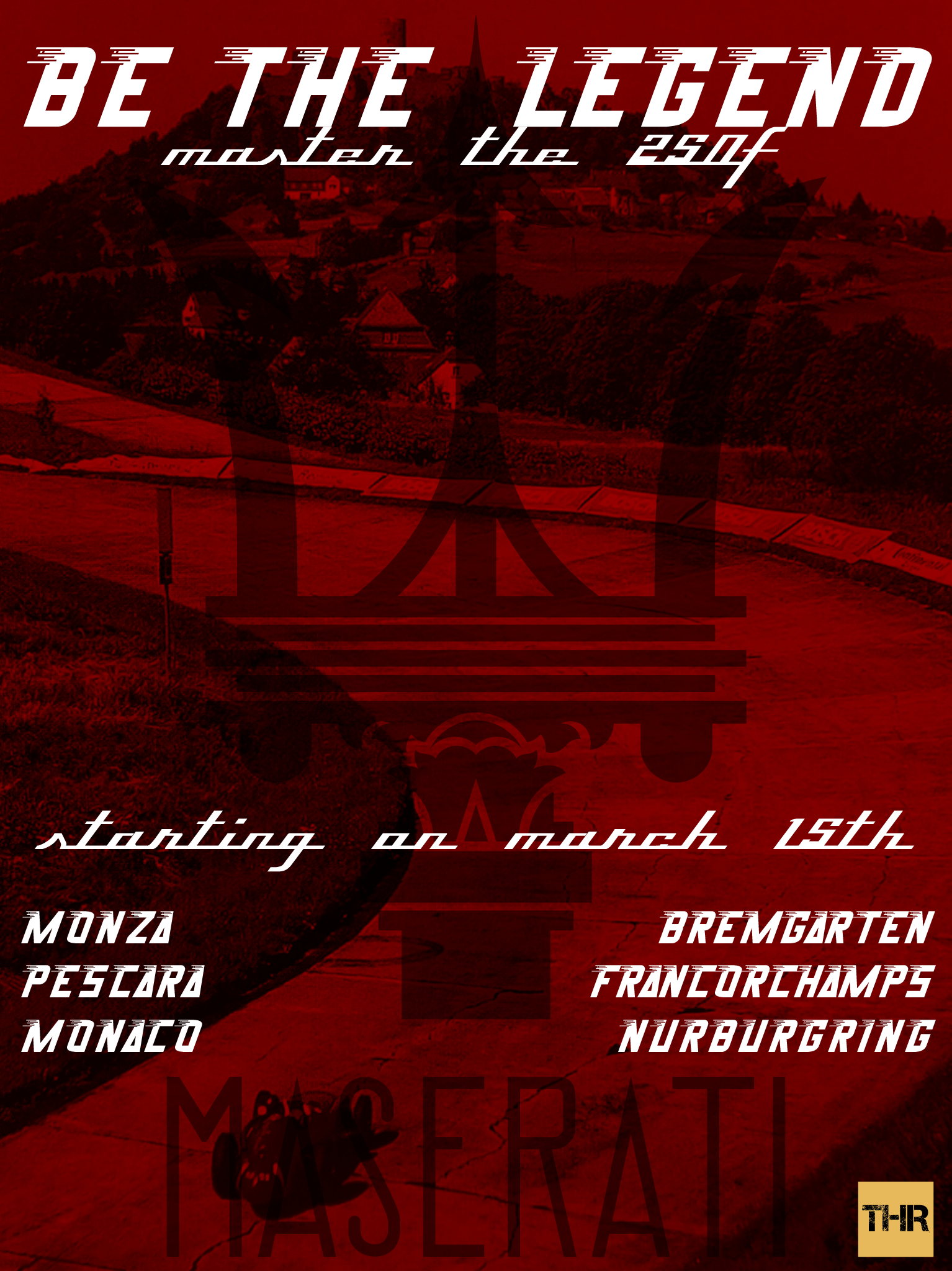
There was a pleasing uncertainty about the opening of the Maserati 250F season. Six Championship rounds lay between Monza and the Nürburgring, all in the same lithe six-cylinder Maserati, and the early results suggested that speed alone would not settle matters. Flashor won at Monza, with Florian Masse second and Adam Celárek third, and appeared to have made the most immediate claim upon the season. Yet the scoring arrangement required each driver to discard one result, so that even this handsome opening success carried a qualification from the outset.
Bremgarten promptly altered the picture. Valentin Knechtel arrived to win, Andreas Roggel took second and Nat Stevenson third, while Flashor was classified 21st after completing four laps. At that point Knechtel and Flashor shared the Championship lead on 40 points, with Masse and Roggel together third on 37. It was an early lesson in the character of the series: the 250F could reward a sharp afternoon, but the Championship would favour the man able to return to the front when the circuit and circumstance changed.
Knechtel's Bremgarten victory had particular weight because it was not merely an answer to Flashor's Monza form. It established a quiet, repeatable standard. Flashor had the first win; Knechtel had demonstrated that the lead could be taken without the benefit of a prior score. Behind them, Roggel's second place and Stevenson's third hinted at depth in the field, while FMG had yet to convert steady placings into a result commensurate with his later importance.
Masse makes the middle season his own
The Championship acquired its first clear protagonist at Pescara. Masse won there from Alex Senna and DriK, while Knechtel was sixth. Masse consequently led the table on 77 points, eight clear of Knechtel in second on 69; Roggel, absent from the Pescara classification, was third on 67. Masse had made only two starts by then, but both had brought top-two results - second at Monza and victory at Pescara. In a championship governed by a dropped score, that was a compact and formidable opening account.
Pescara also gave substance to Senna's campaign. His second place was his first and ultimately his sole top-two finish of the completed season, but it was enough to show that the leading group could not be reduced simply to the men who had won. DriK's third was similarly valuable, even if his season would later be defined more by steady recovery than by repeated appearances at the front.
Spa confirmed Masse as the man to beat, even though Knechtel won the race. Knechtel's victory, with Masse second and Celárek third, cut the leader's advantage to five points, but Masse remained first in the Championship on 114 points. Knechtel was second on 109. By then Masse had accumulated three podiums from three starts - one win and two second places - and his score contained no waste beyond the zero-point Bremgarten absence which was then his dropped result.
The distinction between the two principal contenders was already visible. Masse's front-running yield was richer in proportion to his appearances, while Knechtel had shown the ability to turn up, win when the chance came, and keep the score moving even when victory was not available. FMG, fourth at Spa, stood third in the Championship on 93 points, 21 behind Masse. His sequence of fourth, seventh, fourth and fourth was respectable rather than spectacular, but it kept him near enough to matter if the leaders faltered.
Monaco reverses the current
The decisive movement came at Monaco, and it came from two directions. FMG won the race, Flashor returned to the podium in third, and Knechtel took second. Masse, who had carried the Championship from Pescara through Spa, was classified 15th after completing 32 of the 36 laps. The consequence was a complete rearrangement at the top: Knechtel took the Championship lead on 146 points; Masse was second on 134, twelve behind; and FMG was third on 133, one point behind Masse and thirteen behind the leader.
It was a reversal which showed why Knechtel's earlier sixth at Pescara had not been a mortal injury. His Monaco second place was his third top-two result in four starts, alongside victories at Bremgarten and Spa. More importantly, it placed him at the head of the table precisely as the contest entered its last round. Masse's advantage had been founded upon the strongest podium record in the first half of the season, but Monaco exposed the vulnerability of a short campaign in which every lost placing bore heavily.
FMG's Monaco success deserves to be seen as more than a late race win. It transformed a patient series of strong classified results into genuine pressure upon the leaders. He had begun the season fourth at Monza, was seventh at Bremgarten, and then took fourth at both Pescara and Spa. At Monaco he won outright and moved within a single point of second place in the Championship. The dropped-score rule, however, had an important effect upon his position: his 28 points from Bremgarten remained his discarded result, leaving 133 counted points after Monaco from 161 raw points.
Flashor's third at Monaco, after his earlier Monza win, was a welcome recovery. Yet the intervening classifications of 21st, 12th and 11th had made it difficult for the opening victor to remain in the immediate title current. The Monaco podium nevertheless restored him to prominence and set up a final round in which his place in the leading order was still at stake.
The Nürburgring and the final reckoning
FMG won again at the Nürburgring, Knechtel was second and Flashor third. It was FMG's second consecutive victory and the strongest closing run of the Championship. Knechtel's second place, however, was exactly in keeping with the season he had built: his fourth top-two finish from five starts, composed of two victories and two second places. He ended the Championship on 183 points, ten clear of FMG on 173.
There is a temptation, when the last race is won by the runner-up, to make the final afternoon the whole story. It was not so here. FMG's twin victories at Monaco and the Nürburgring gave the closing weeks their urgency, but Knechtel had created the foundation at Bremgarten and Spa, then preserved it with second places when FMG had found winning form. His points total was not the product of domination in the usual sense. Rather, it was the result of a record without much concession: two wins, two second places and a sixth place in the five rounds he started.
The discarded-score provision also belongs to the final account. Each driver could discard one result. Knechtel's zero-point Monza absence was his final discarded event, so all five of his race scores counted towards the 183 points. FMG's discarded Bremgarten result was worth 28 points, leaving his 201 raw points reduced to 173 counted points. The rule thus framed the arithmetic of the title, but it does not diminish the difference between their seasons: Knechtel's better series of front-row results had given him sufficient reserve before the final race.
Flashor completed the final Championship podium in third on 155 points for Flashback Racing. His year contained one win and two third places, the latter arriving in the final two rounds, and those late podiums carried him past Senna. Senna was fourth on 153 points for PitStopPro, his Pescara second place remaining the high point of a campaign otherwise marked by useful fourth and fifth places at Monaco and the Nürburgring. Marc Orós, fifth on 139, did not take a podium but compiled a notably even set of middle-order scores across five starts. DriK was sixth on 138, his Pescara third place the principal peak in a season which ended encouragingly with fourth at the Nürburgring.
Masse's final seventh place, on 134 points, makes the figures seem more severe than the season felt in its middle portion. He won at Pescara and recorded second places at Monza and Spa, giving him three podiums from four starts. For a time that economy had placed him firmly at the head of the Championship. Monaco changed the direction of his campaign, and absence from the Nürburgring classification meant that the early leader could not answer the late advances of Knechtel and FMG.
Thus the first Maserati 250F Championship belonged to Valentin Knechtel and Schwabenstolz Motorsport, not because every round fell his way, but because the important ones did and because his lesser days were seldom allowed to become damaging ones. FMG left the strongest final impression, Masse the finest early sequence, and Flashor the first victory. Knechtel alone joined those fragments into a Championship of 183 points, won by ten, and won with the sober authority that such a closely matched series demanded.