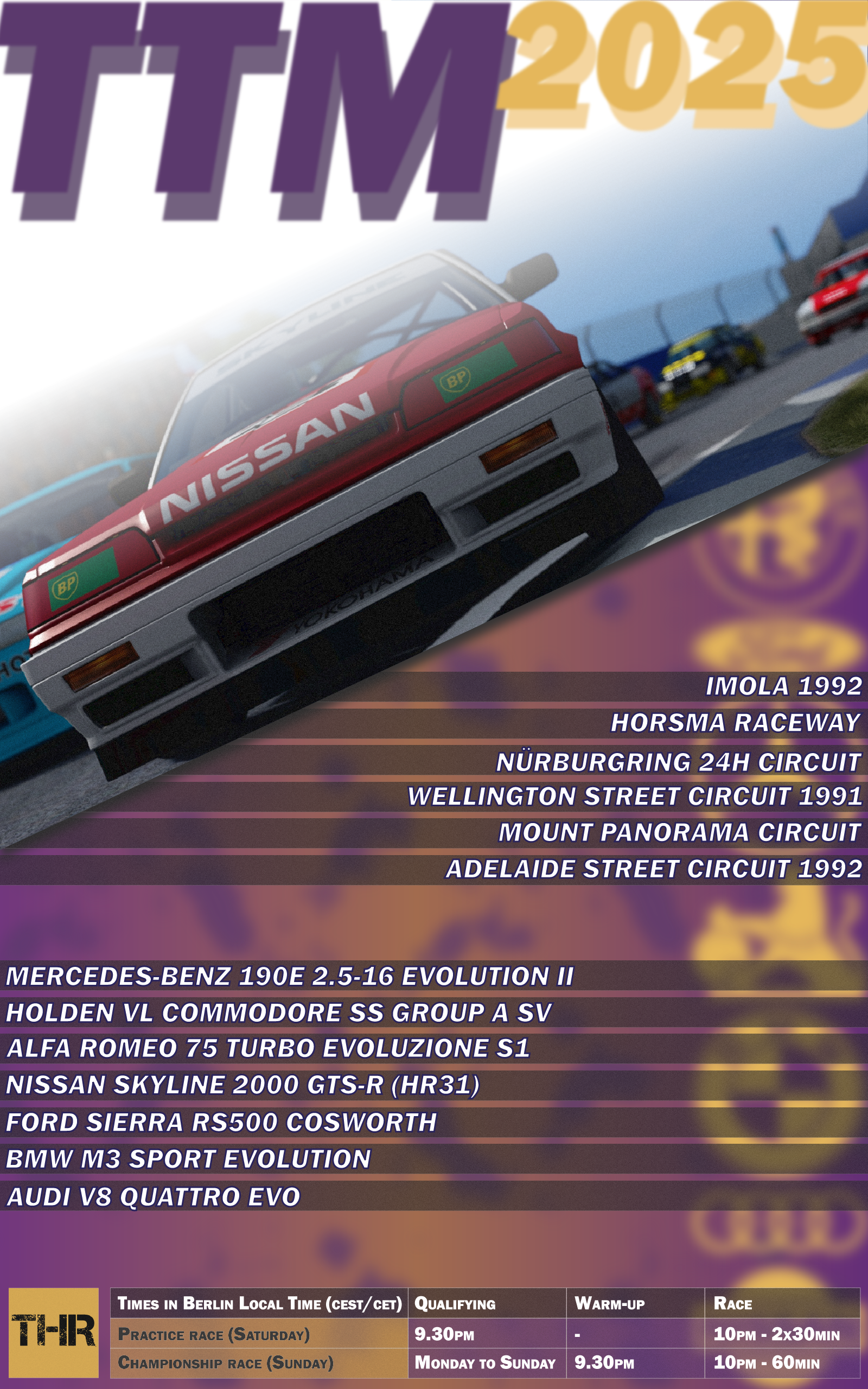
HappyKojot and the Value of Recovery
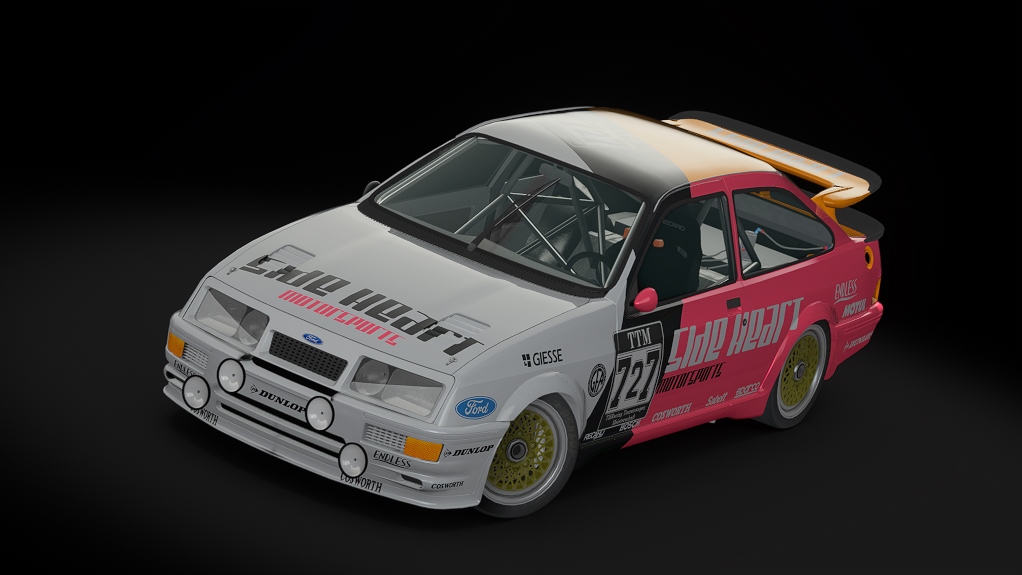
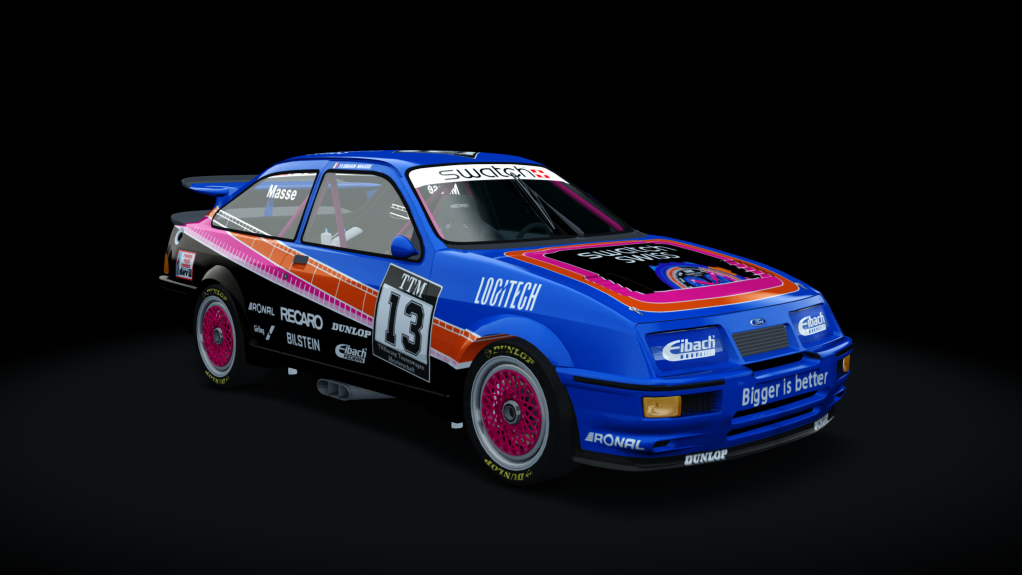
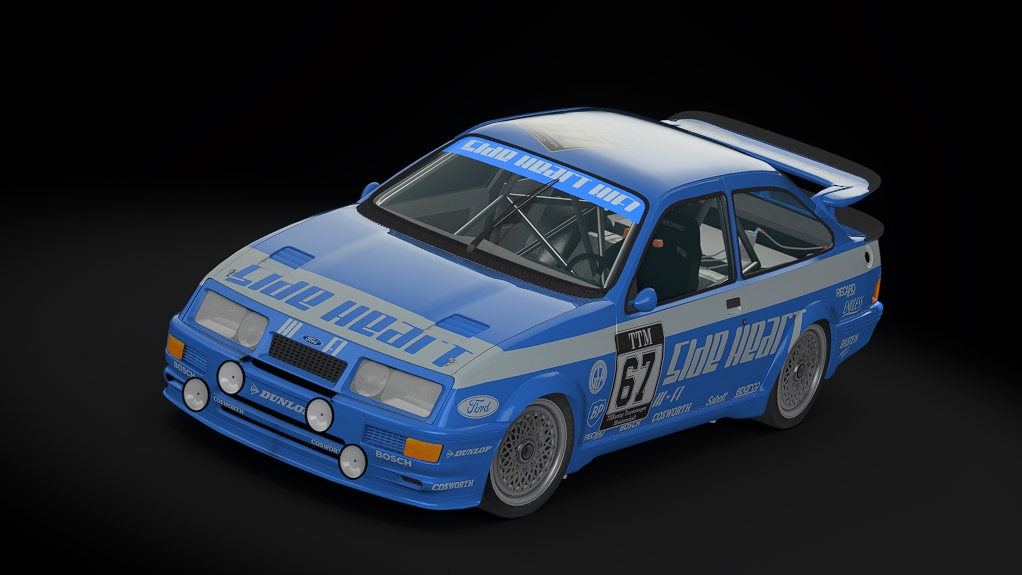
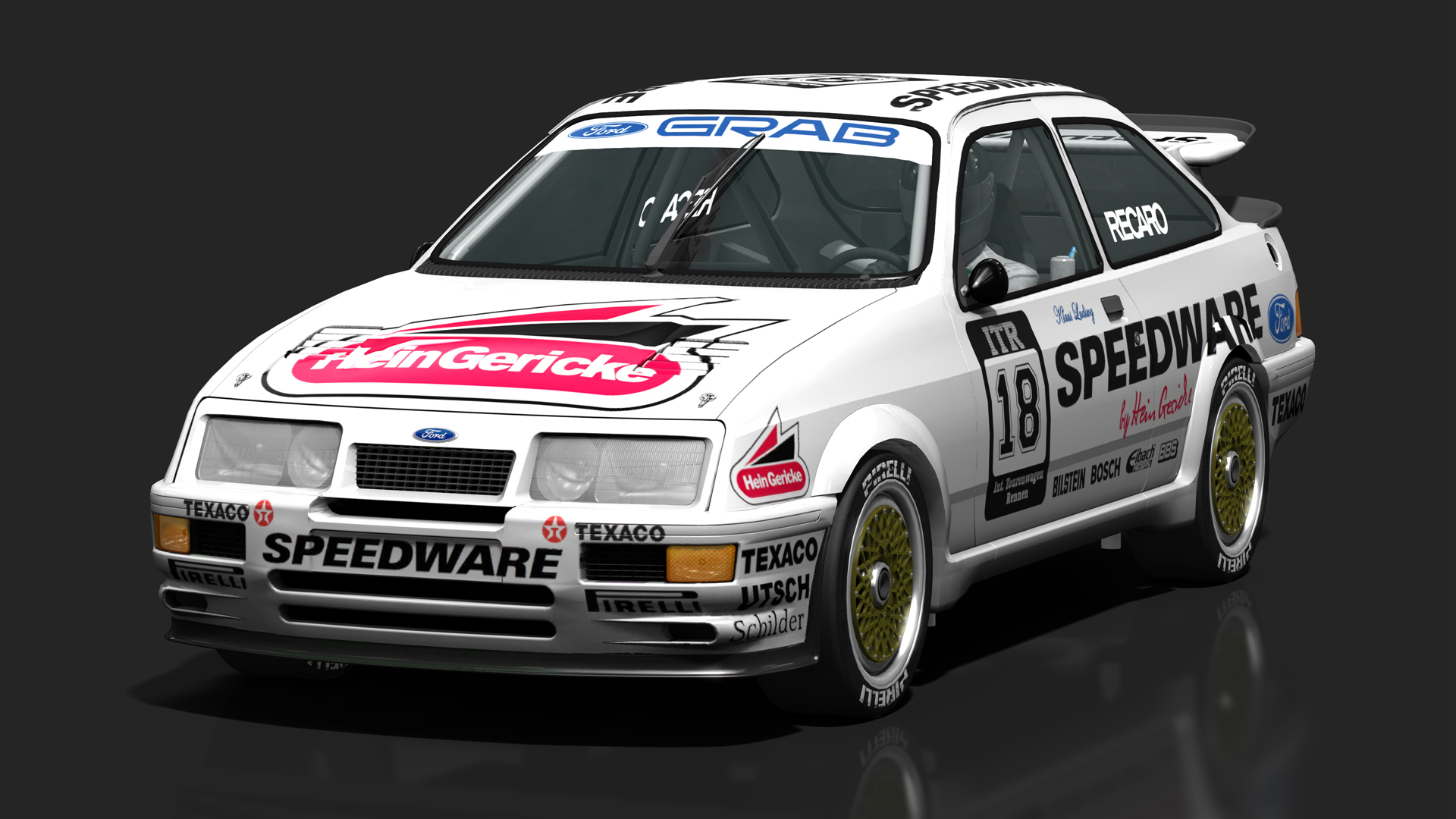
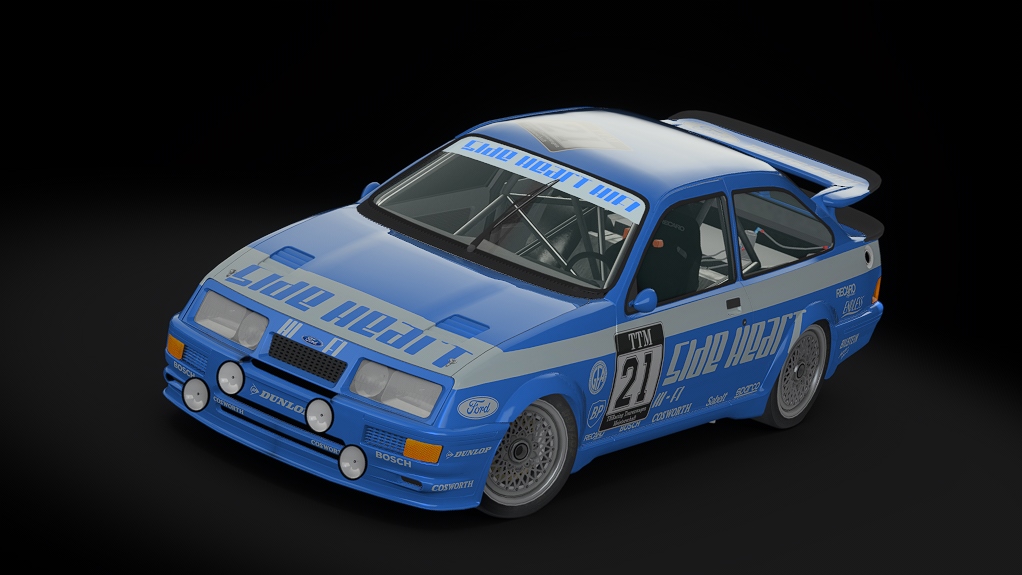
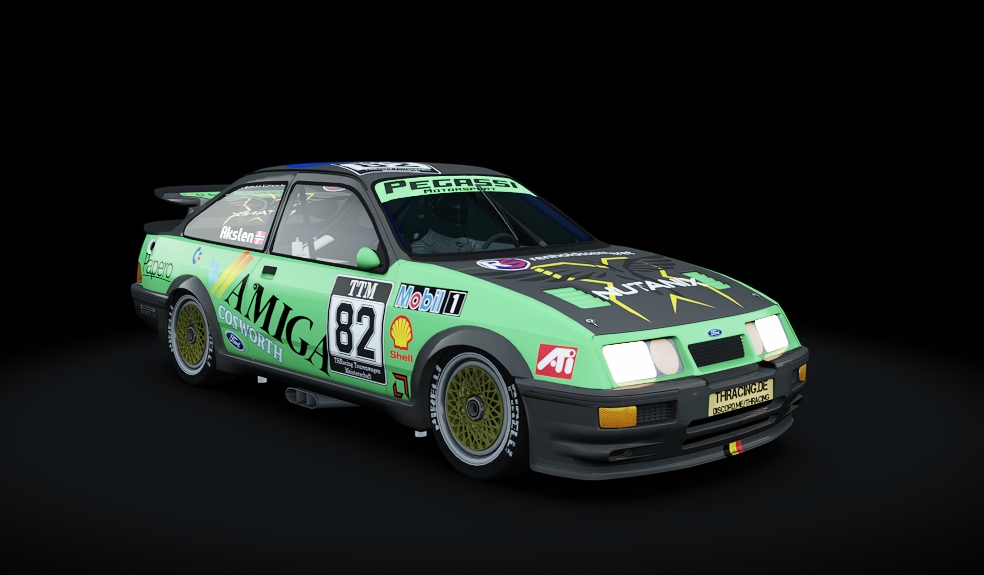
The 2025 THRacing Tourenwagen Meisterschaft was decided not by uninterrupted command but by the ability to recover from an indifferent afternoon. SDH-M ~ HappyKojot's Ford Sierra RS500 Cosworth won twice, reached four podiums, and withstood the strongest late reply of Marc Orós and Adam Celárek to take the crown by seven points.
An open beginning
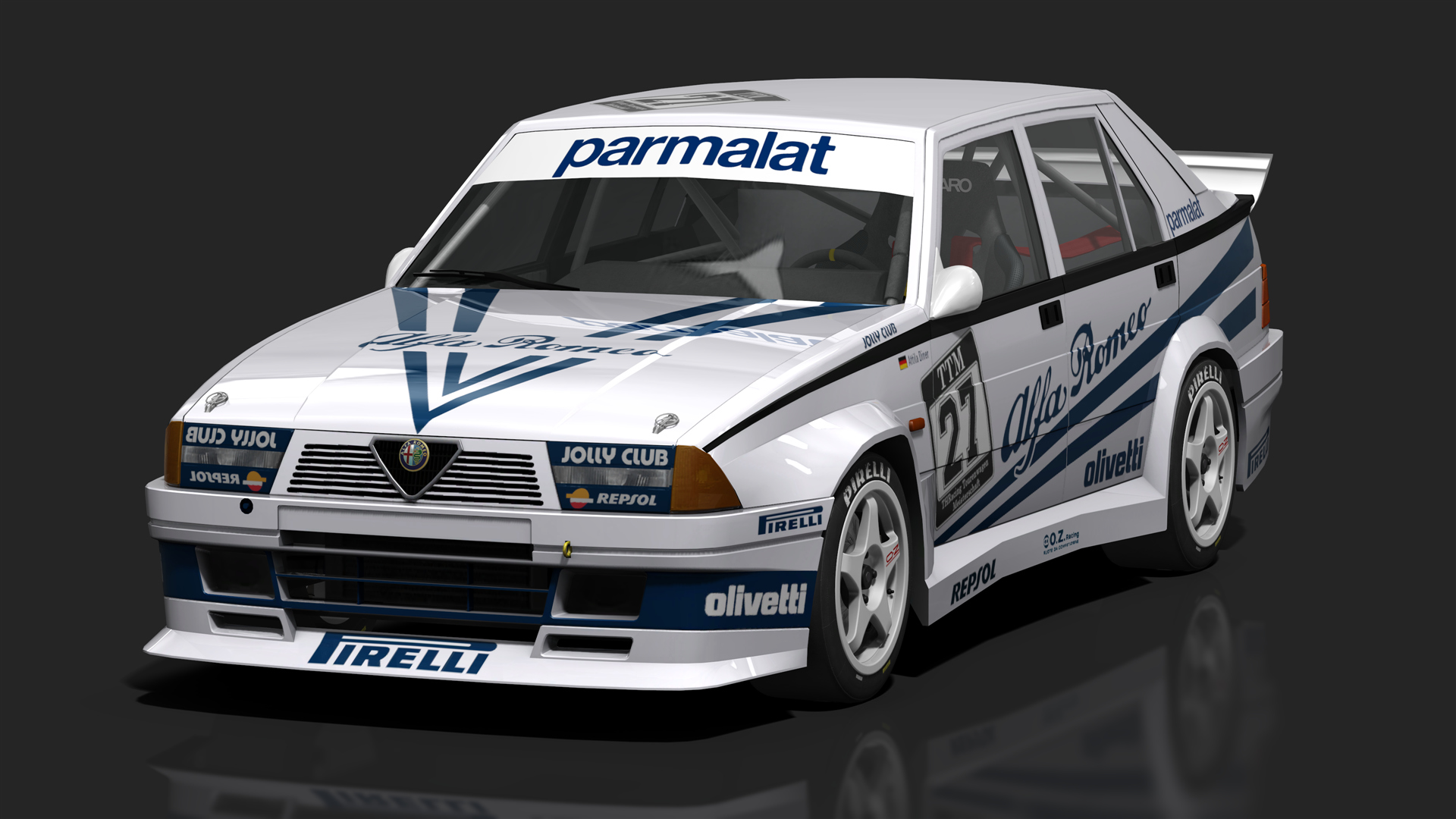
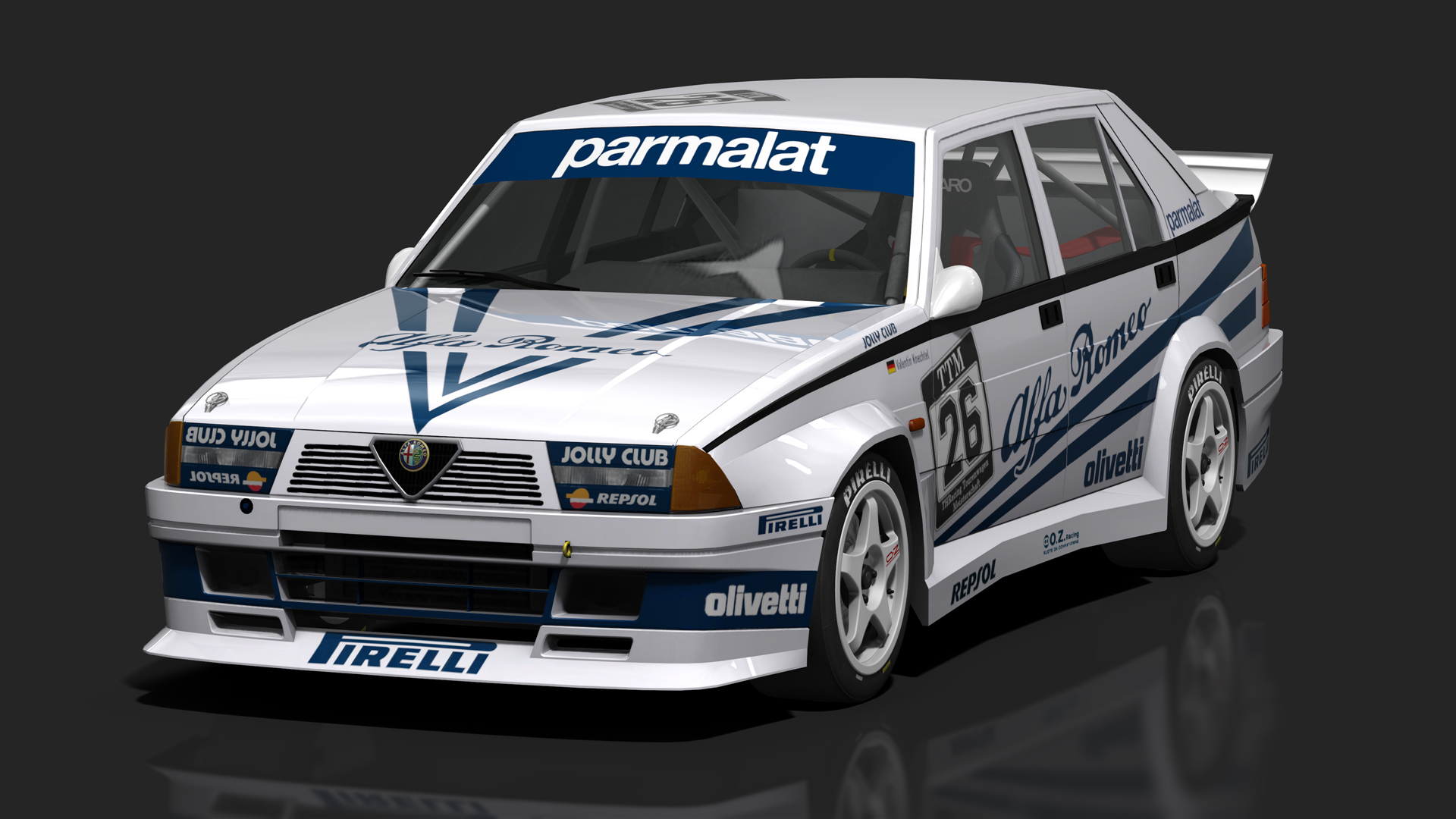
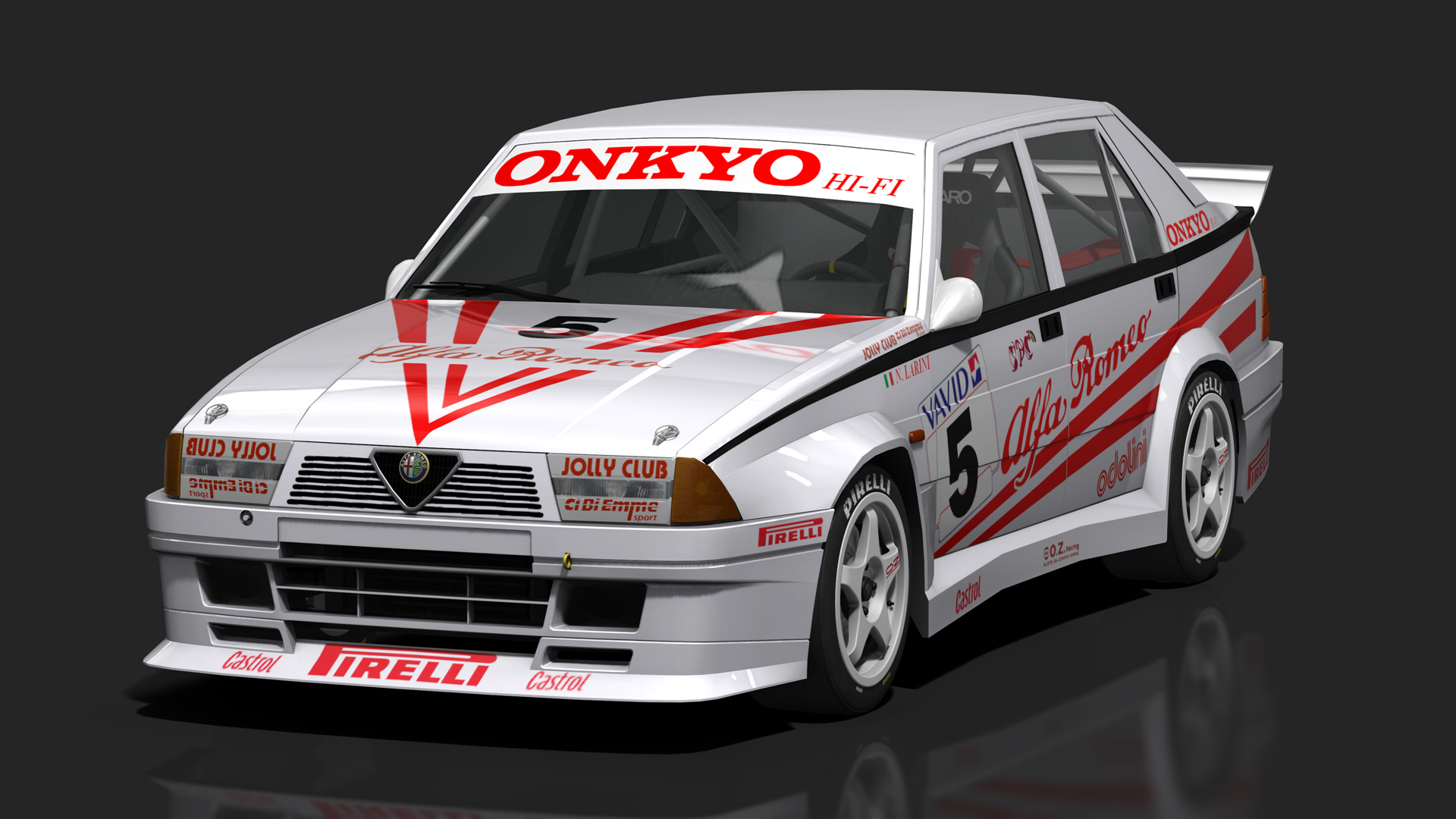
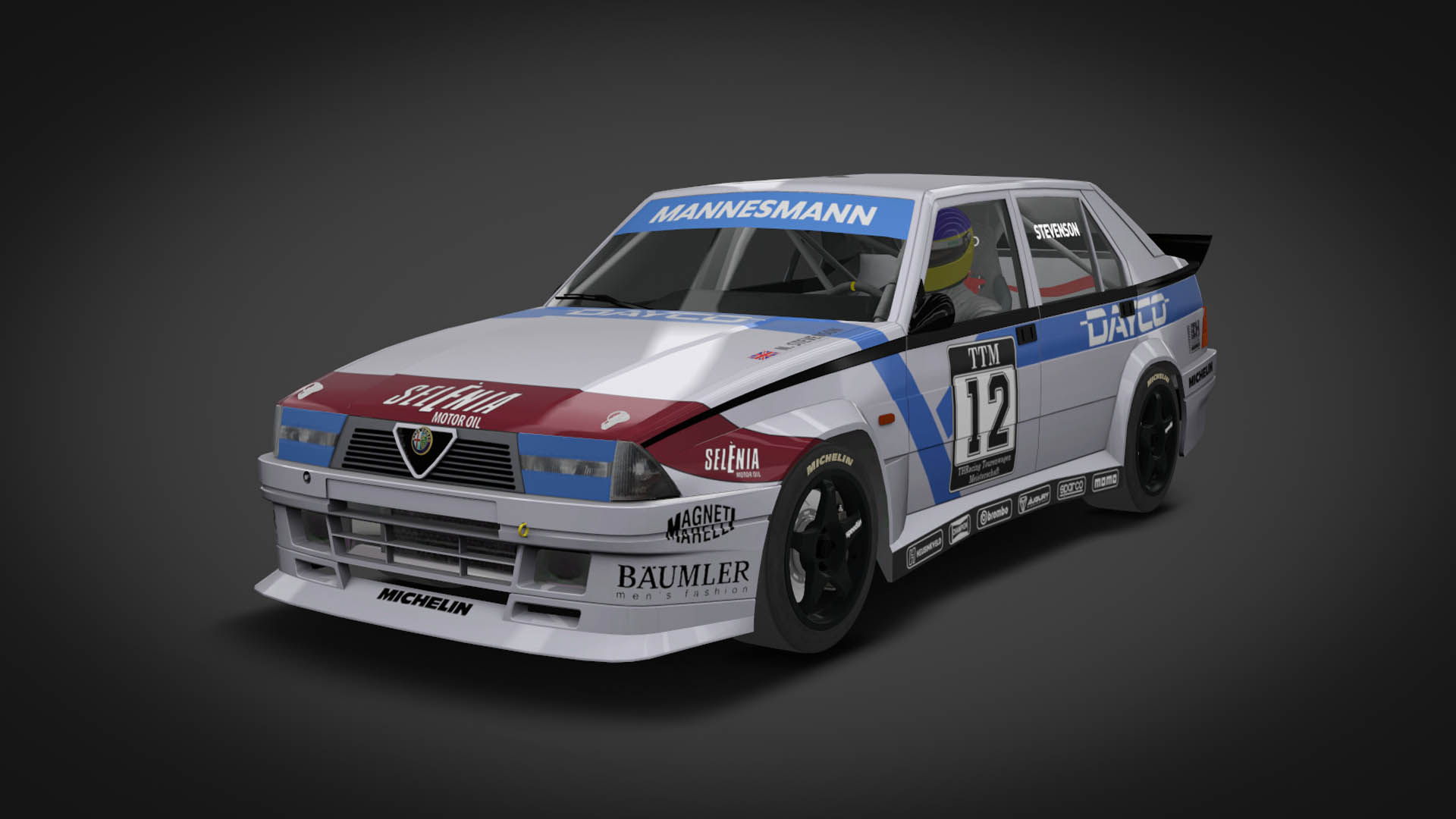
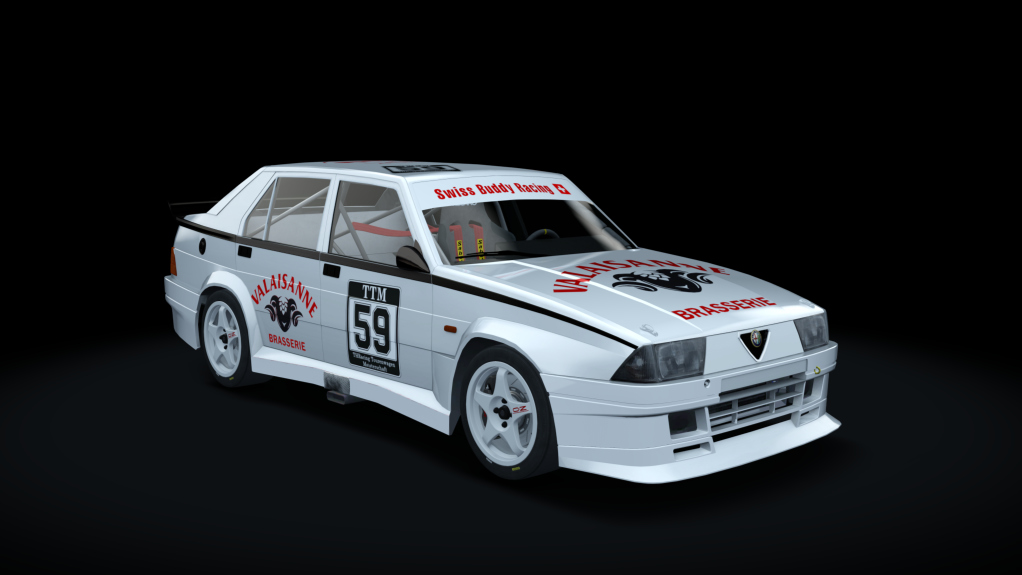
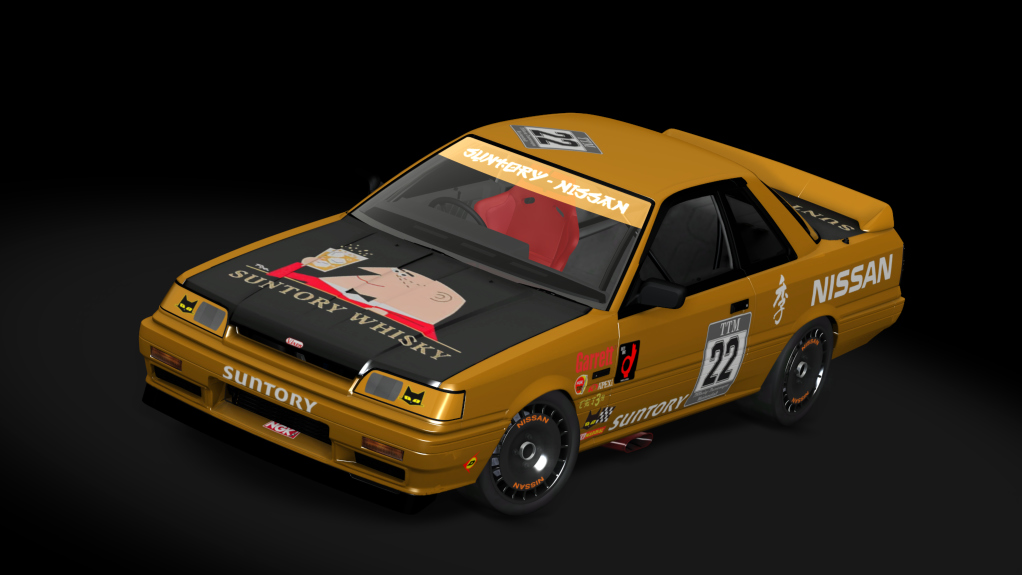
Six rounds produced five different winning driver-car combinations, an appropriate measure of the variety which made this a particularly agreeable touring-car season. The opening meeting at Imola belonged to Valentin Knechtel and the Alfa Romeo 75 Turbo Evoluzione. Knechtel took the race, HappyKojot's Ford Sierra was second and Adam Celárek placed the Holden third. Yet the opening result did not settle the early order in the usual way, for the championship counted only five results from six rounds. At that stage each competitor's lone score was the one set aside, and the table naturally remained level.
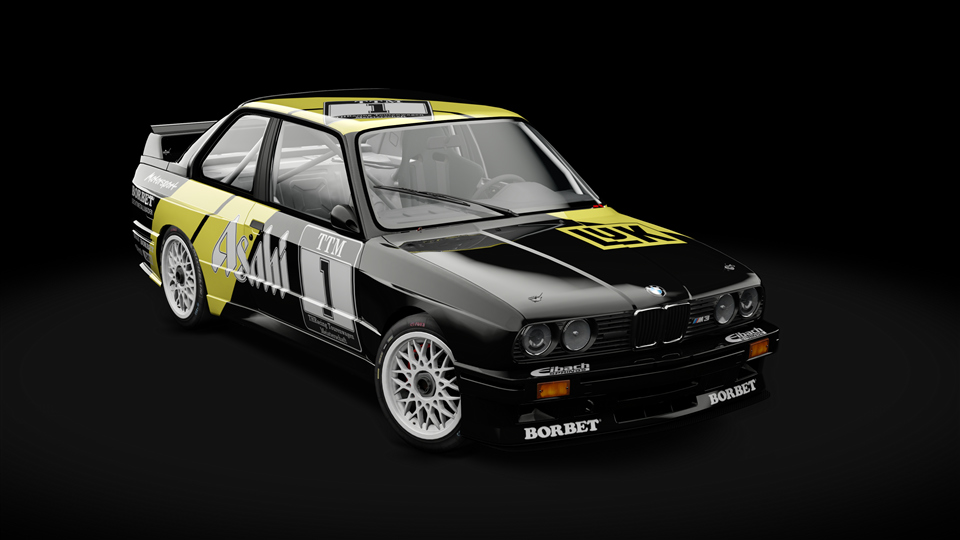
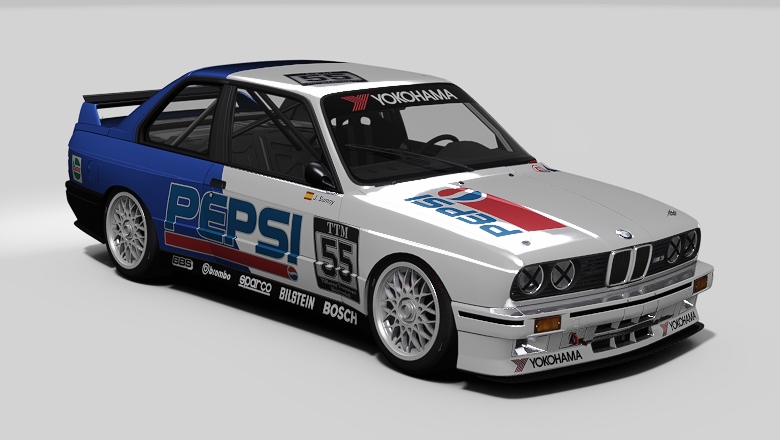
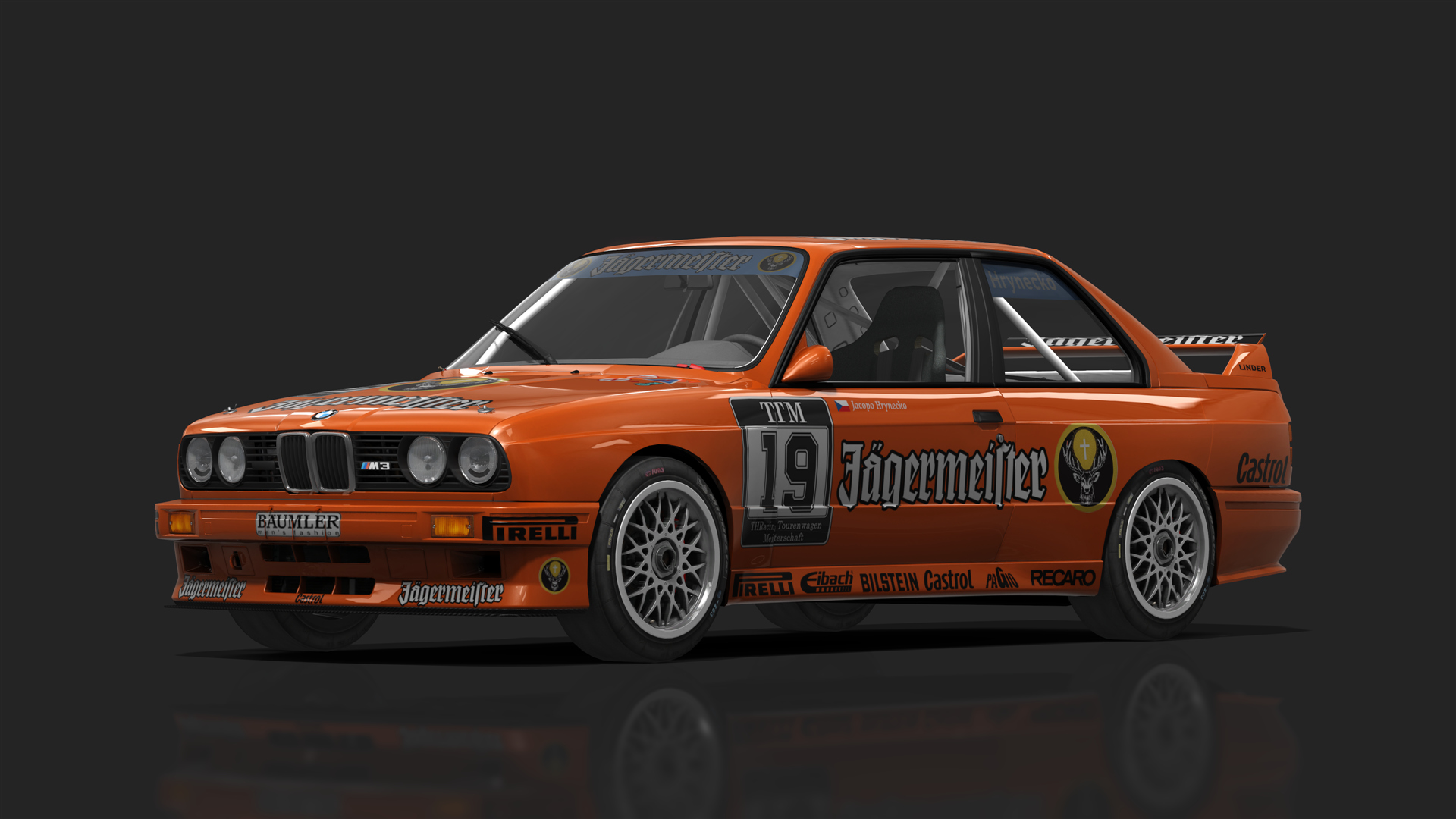
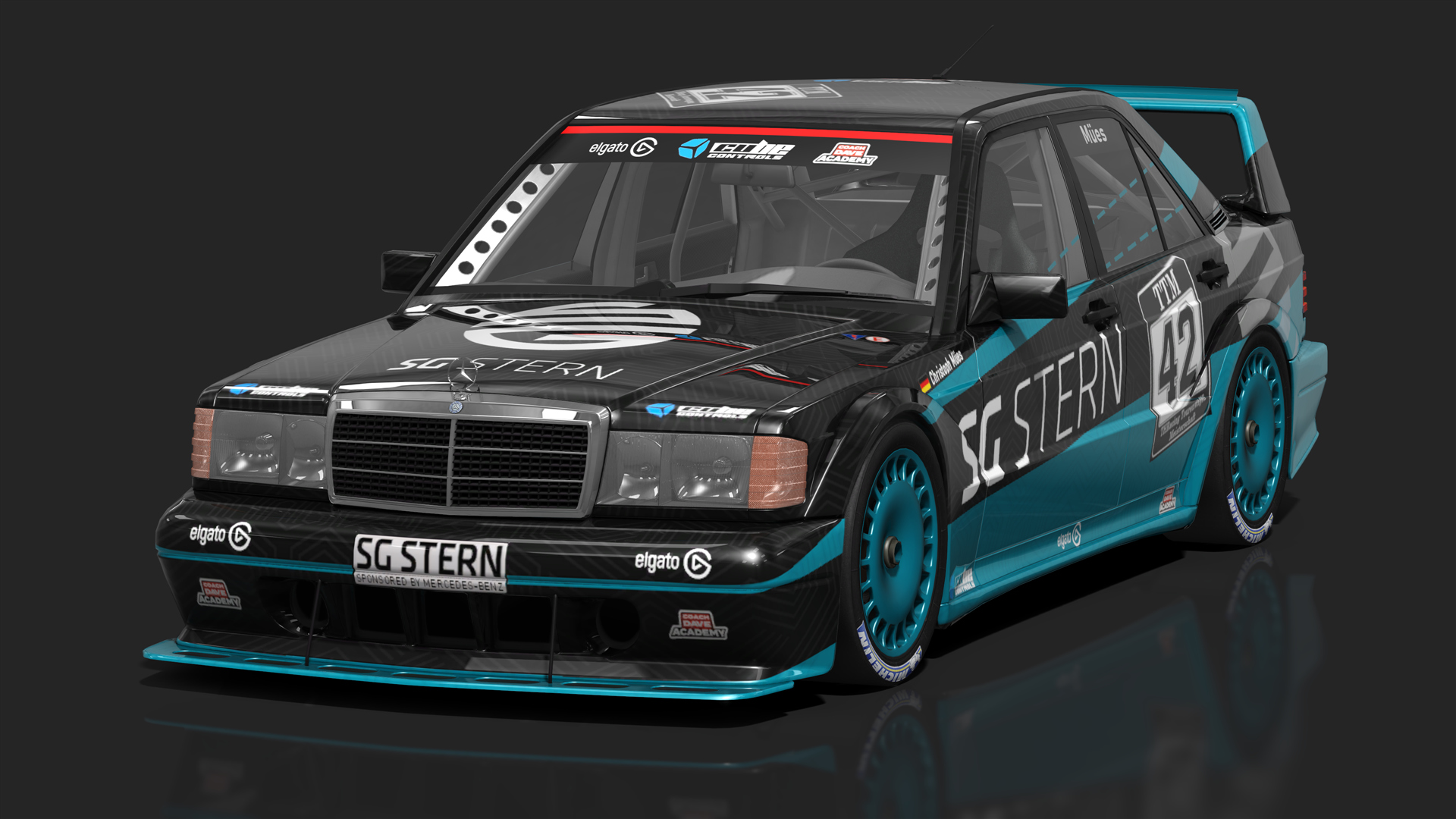
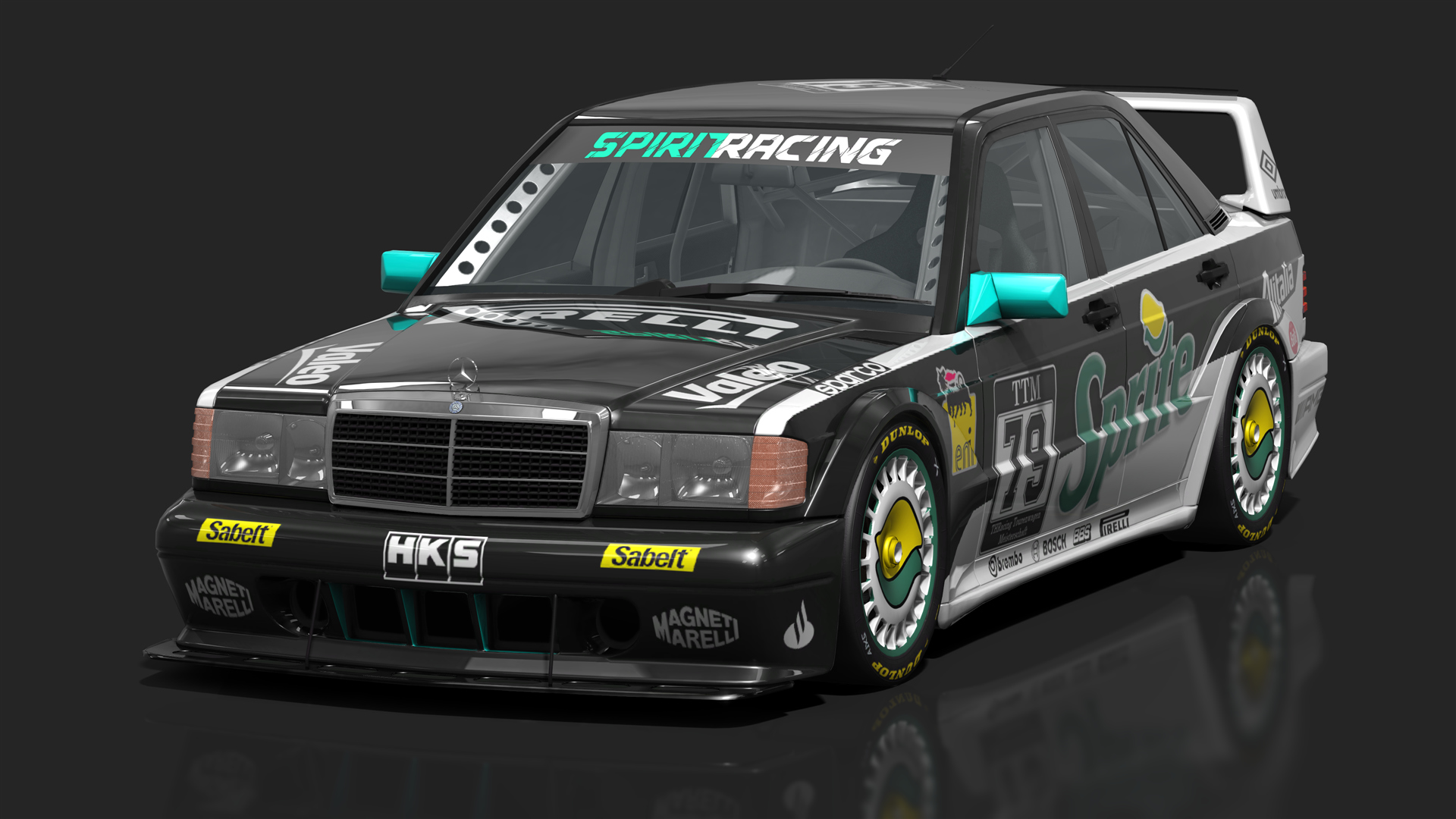
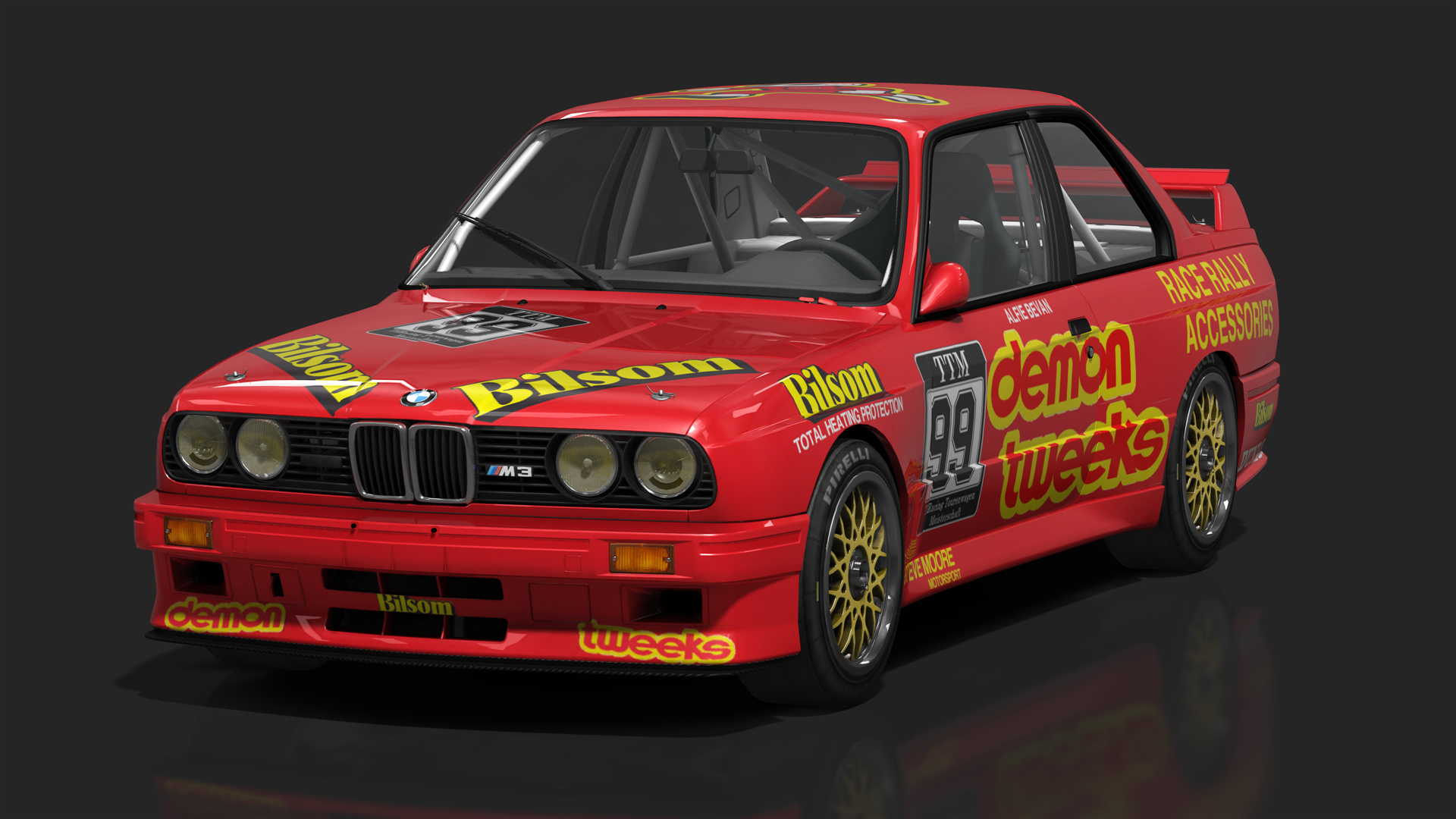
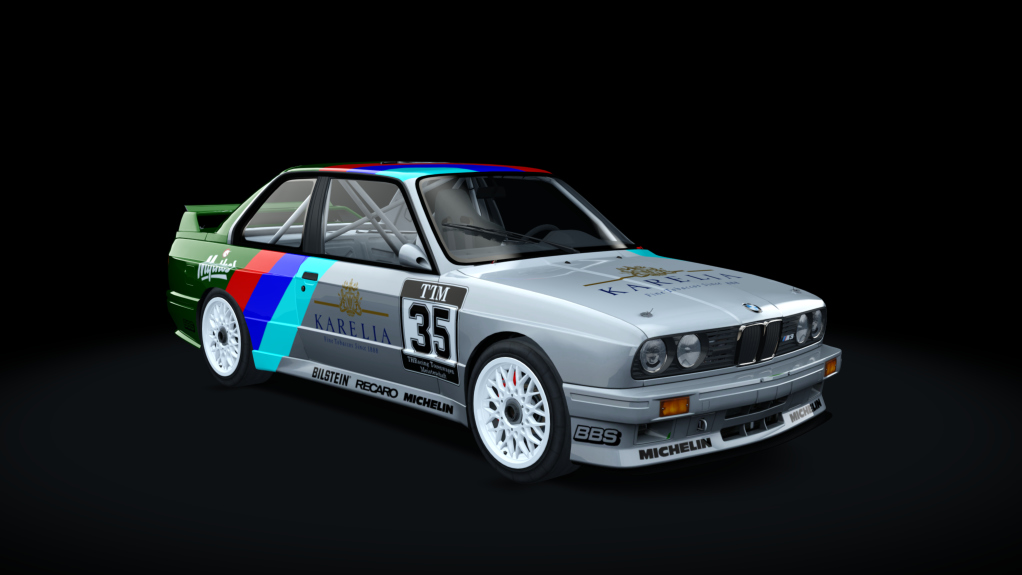
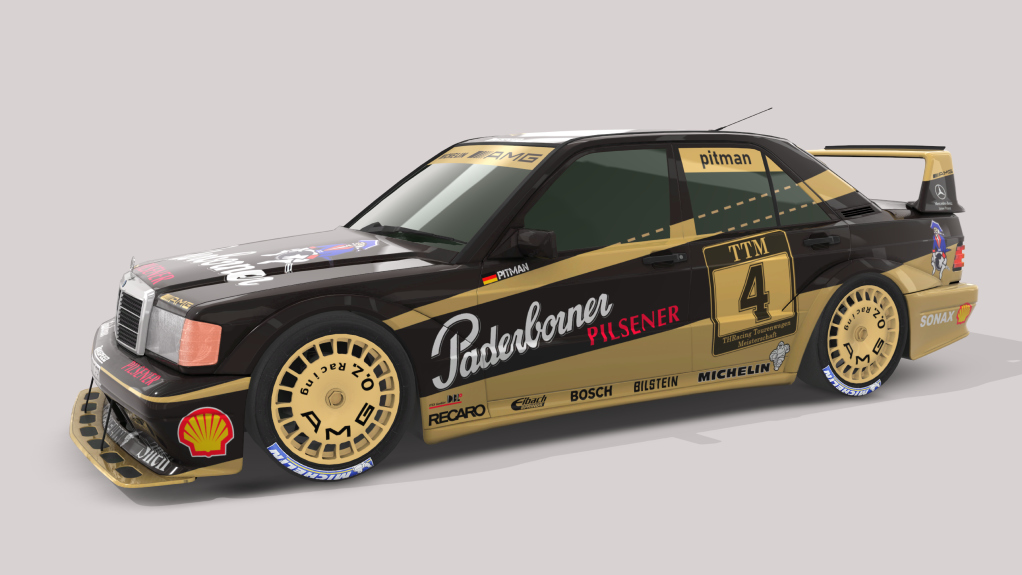
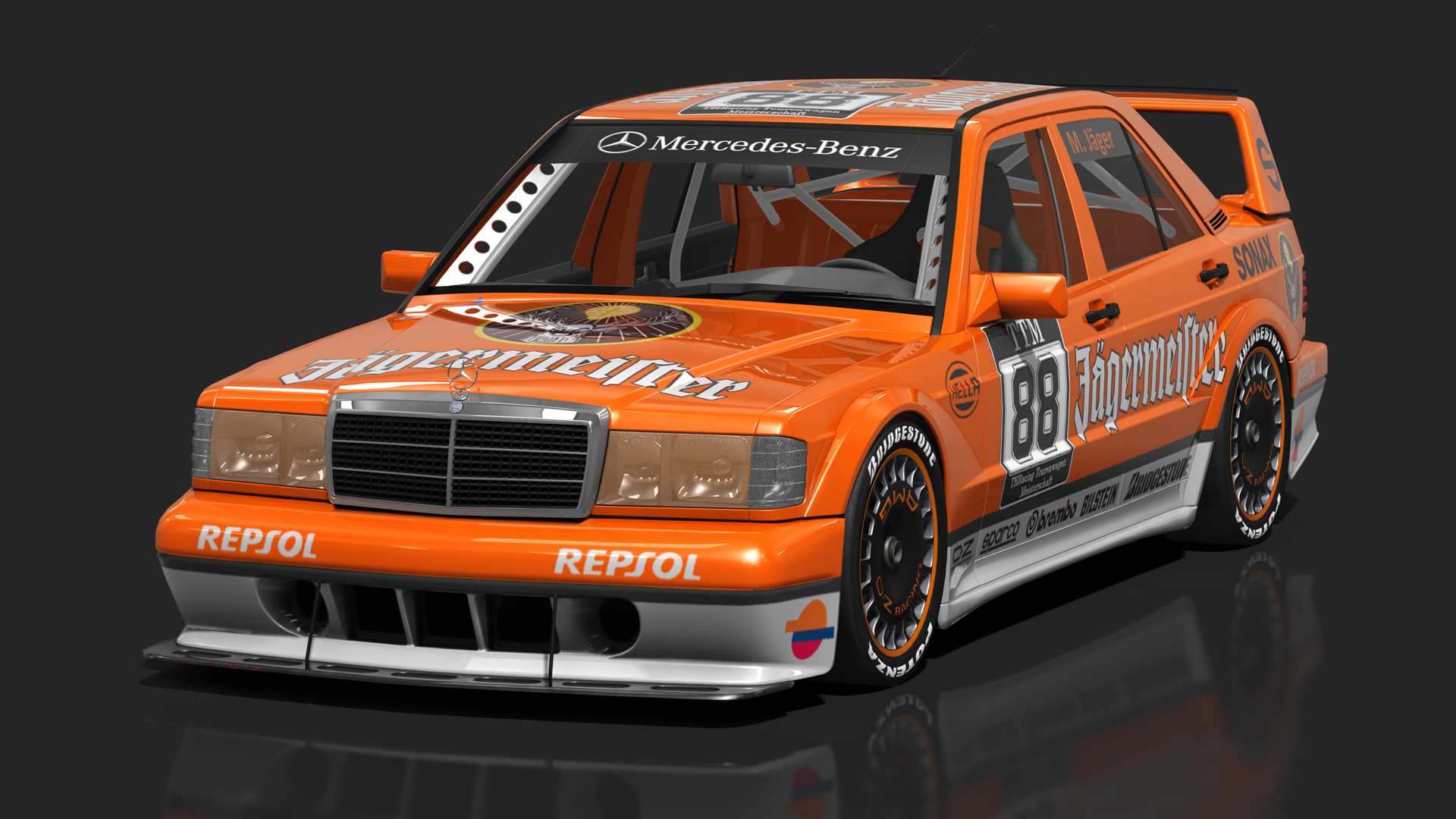
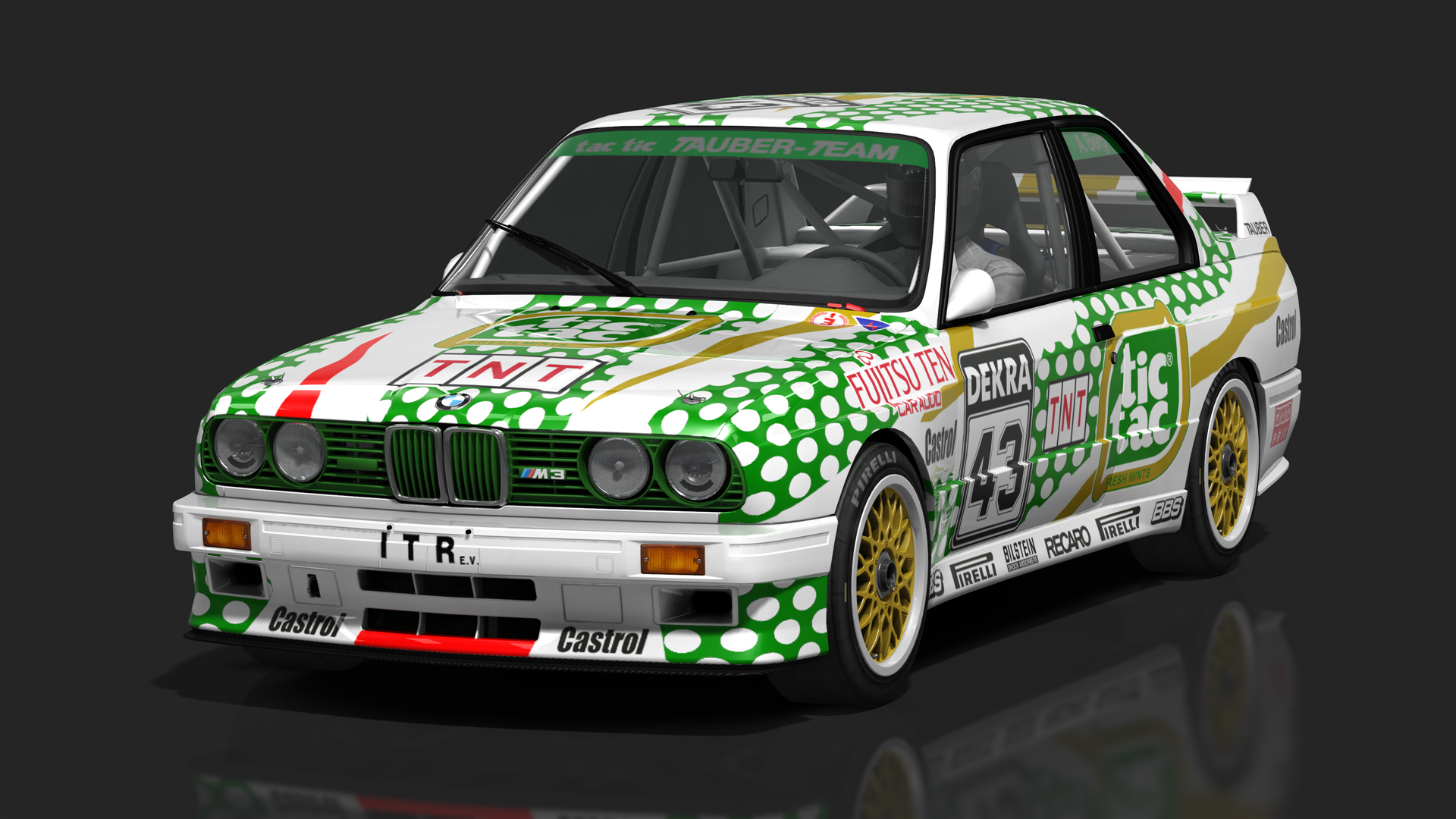
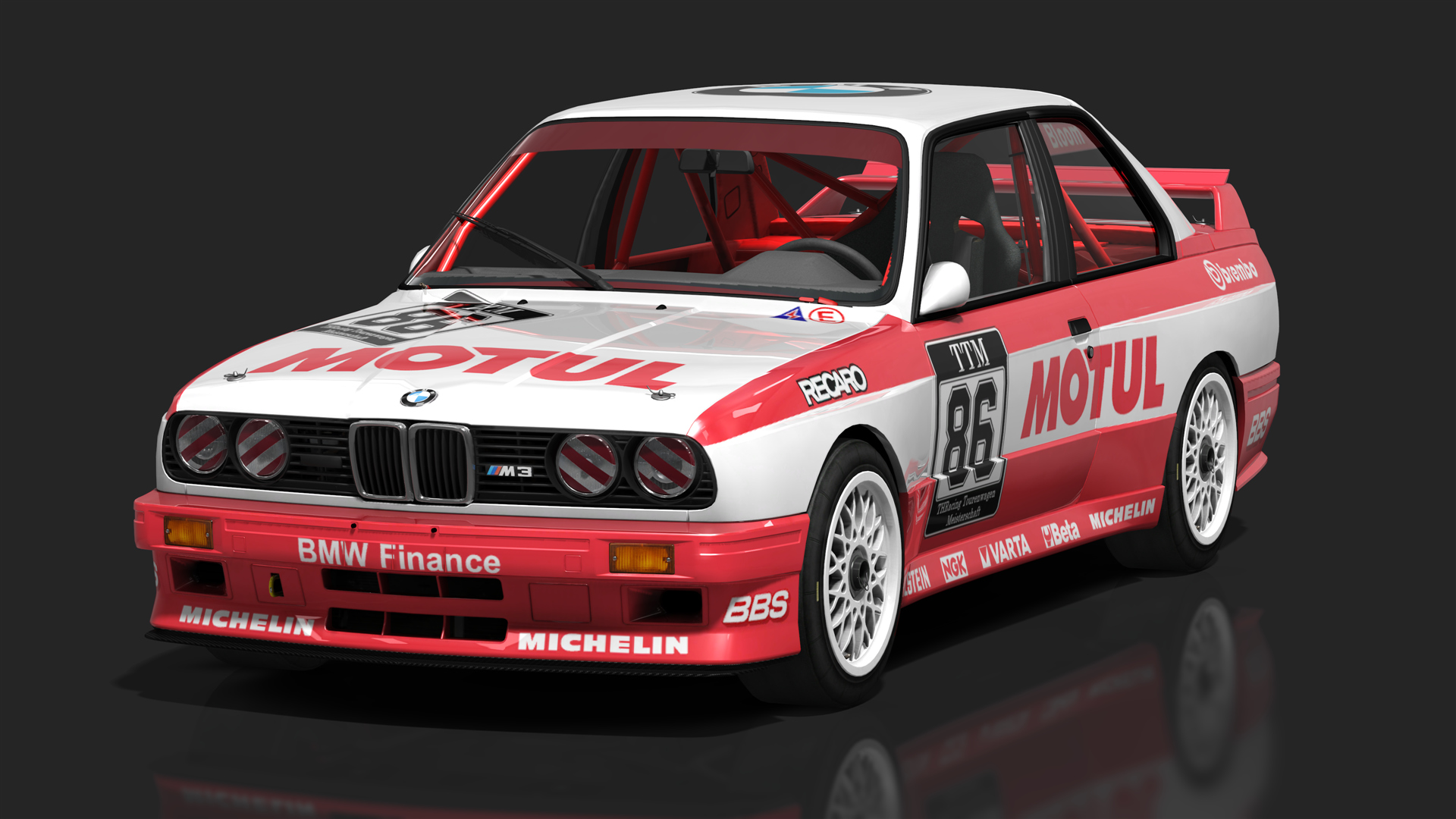
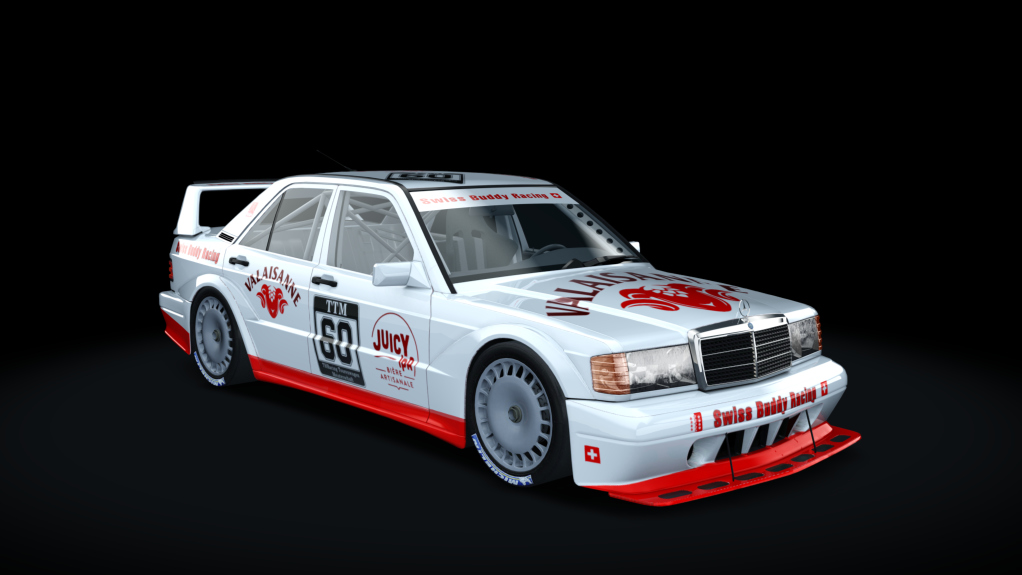
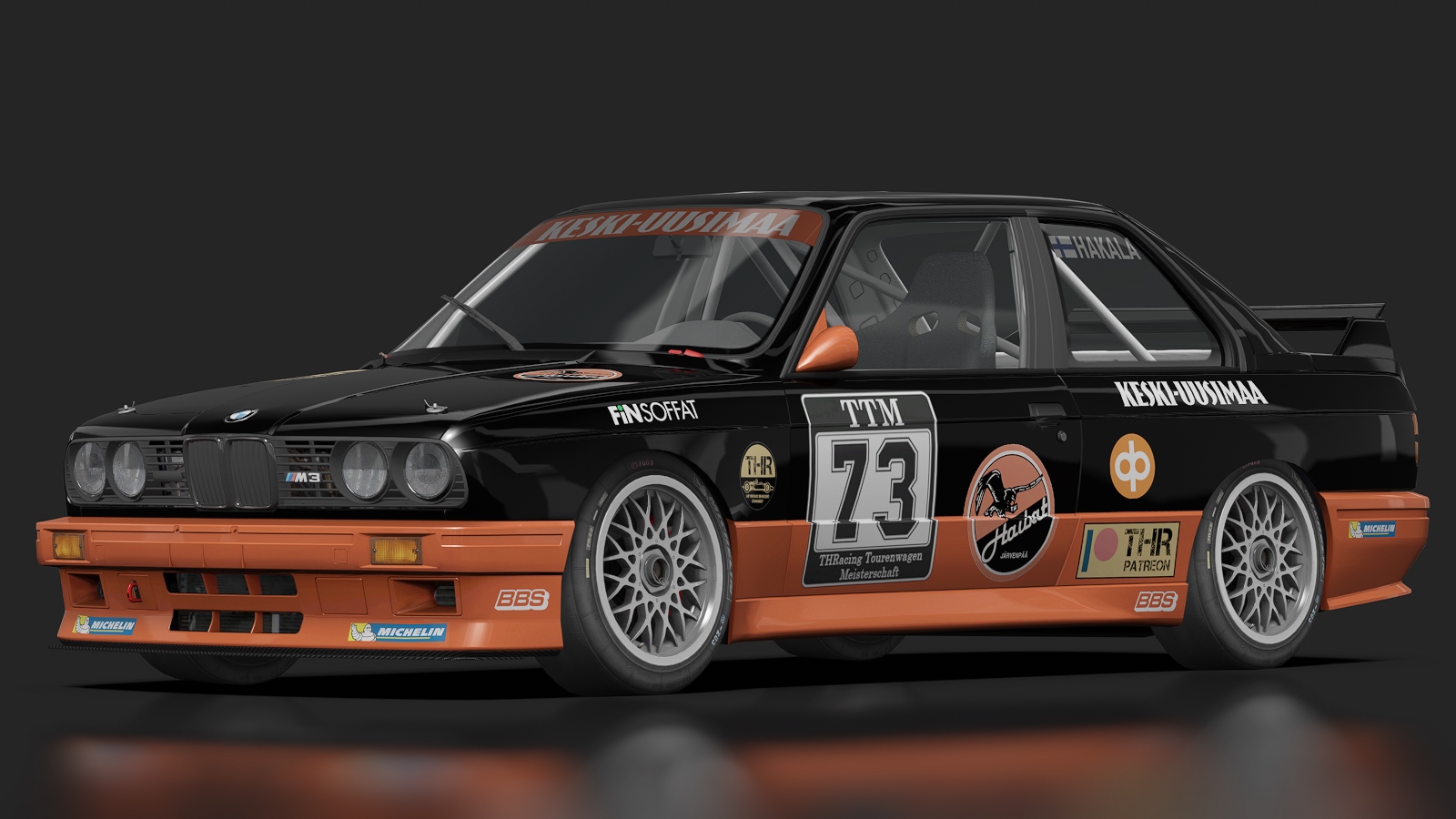
It was at Horsma that the points contest acquired its first proper shape. Kuba Palubicki won in the BMW M3 E30 Sport Evolution, with Attila Diner's Alfa second and Ayrton Titos third in the Mercedes-Benz 190E. After two rounds, Knechtel and Palubicki shared the Championship lead on 40 points. HappyKojot and Diner were jointly third, three points behind. The discarded-score arrangement was already visible in the figures: Palubicki's Imola fourth place was temporarily the result omitted, while Knechtel's fifth at Horsma was his. That was less a distortion than a warning that the apparent order could move sharply as stronger and weaker performances accumulated.
The early season therefore offered no single established force. Knechtel had won first, Palubicki had answered immediately, and Diner's second at Horsma suggested that Jolly Club might carry the contest on two fronts. Behind them, Orós had recovered from 13th at Imola to fourth at Horsma, while HappyKojot had preserved useful ground despite being tenth in the race. The field had made its point: pace alone would not govern a five-from-six championship.
The Sierra strikes, the Mercedes answers
The Nordschleife gave HappyKojot the first decisive upward movement. He won the third round in the Ford, ahead of Orós's Mercedes and Jaroslav Cerny's BMW, while Palubicki was fourth and Knechtel seventh. That result carried HappyKojot to the Championship lead on 77 points, six clear of Palubicki and seven ahead of Knechtel. More significantly, it provided a pattern that would define the champion's year: a difficult previous score was not allowed to become a lasting liability. His Horsma tenth was then the discarded result; the Imola second and the Nürburgring victory formed the useful foundation.
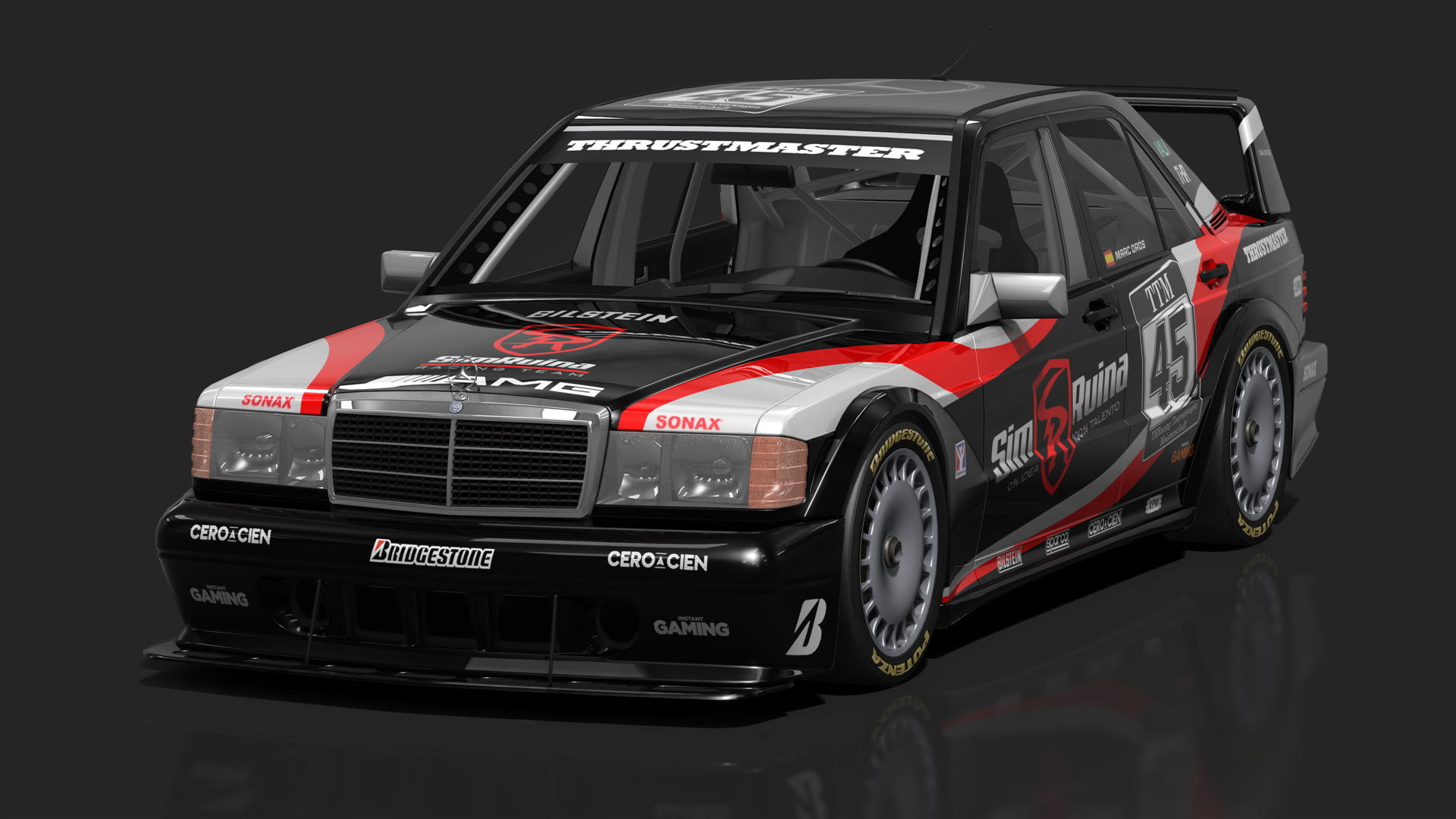
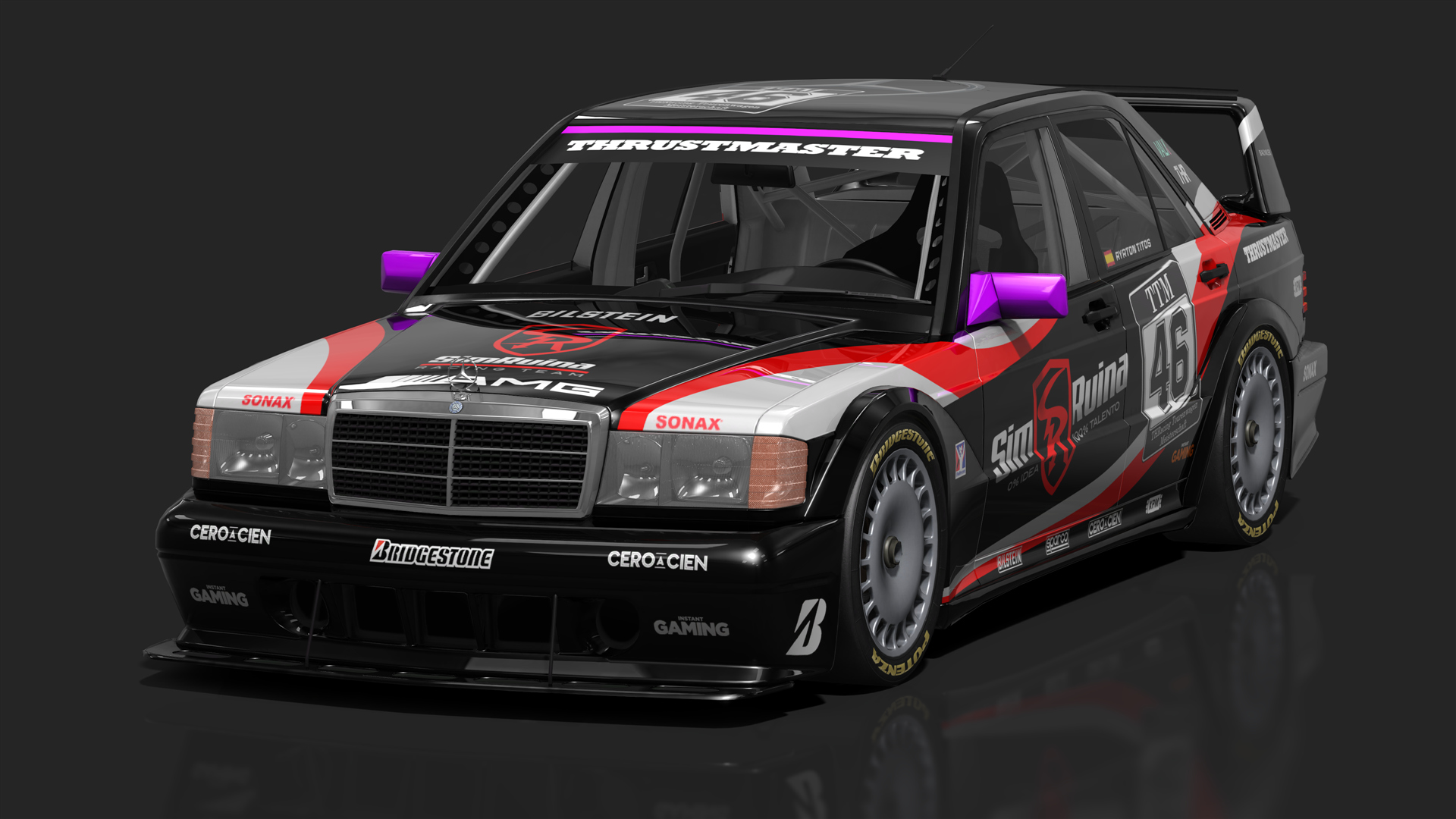
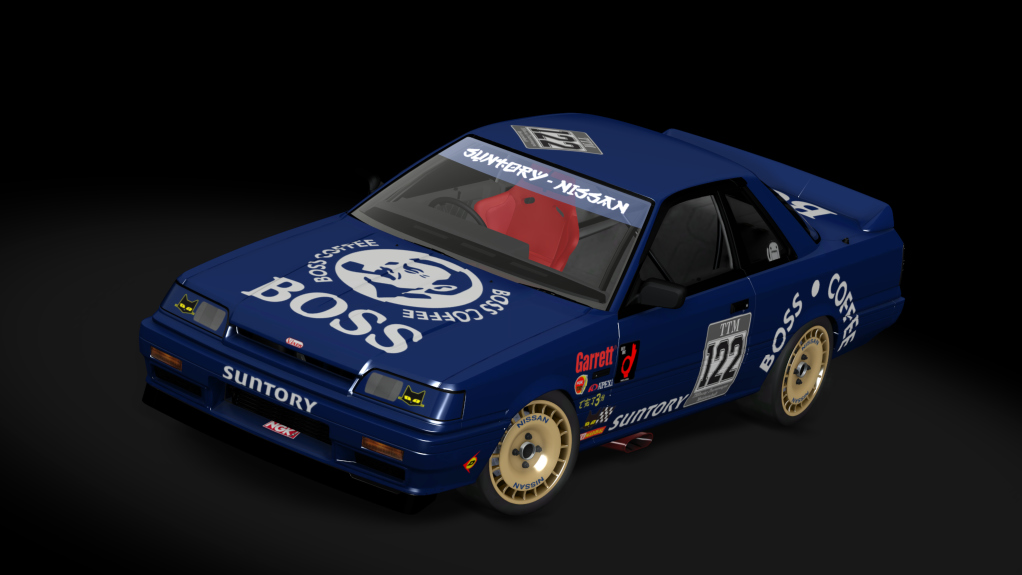
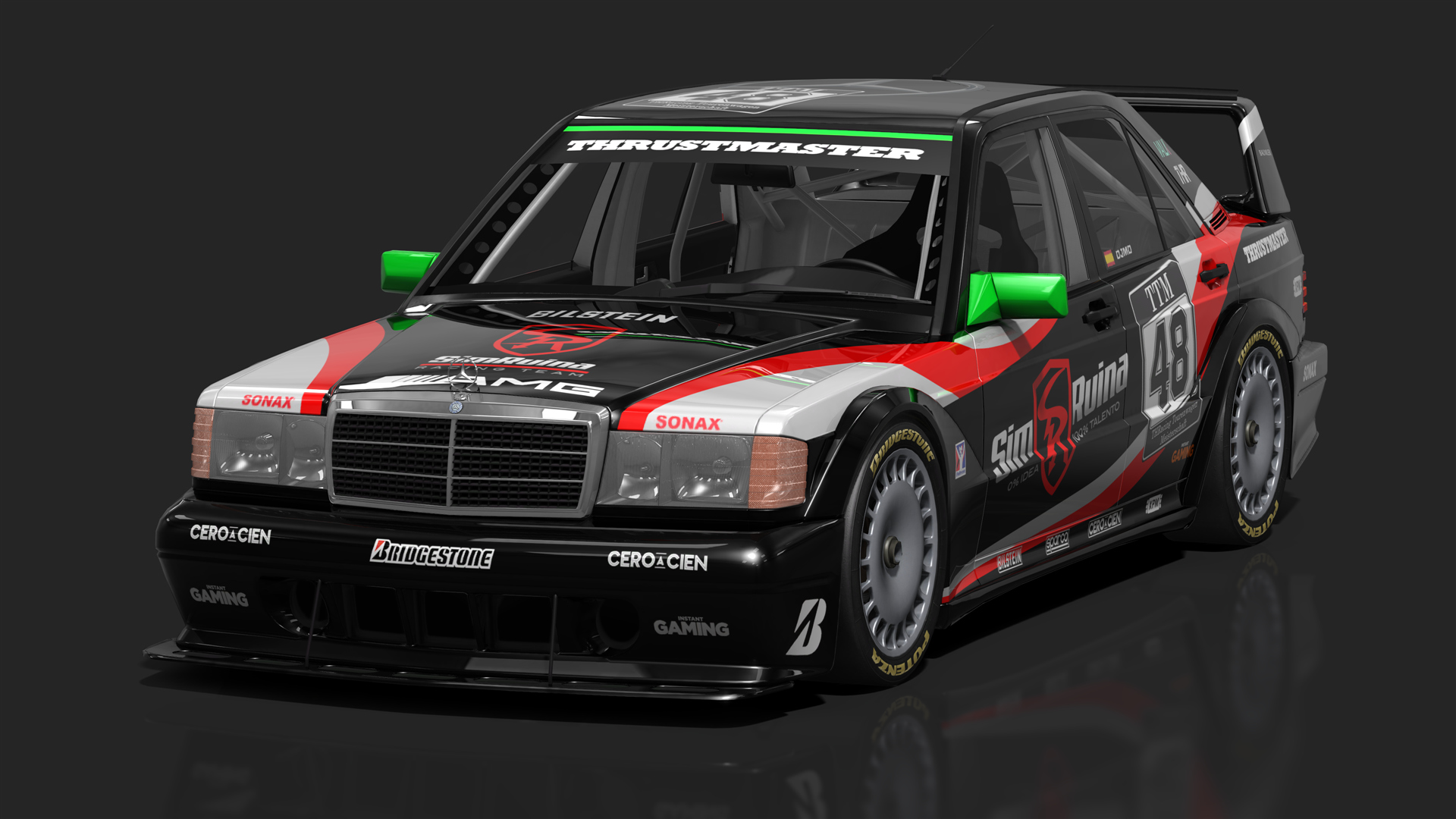
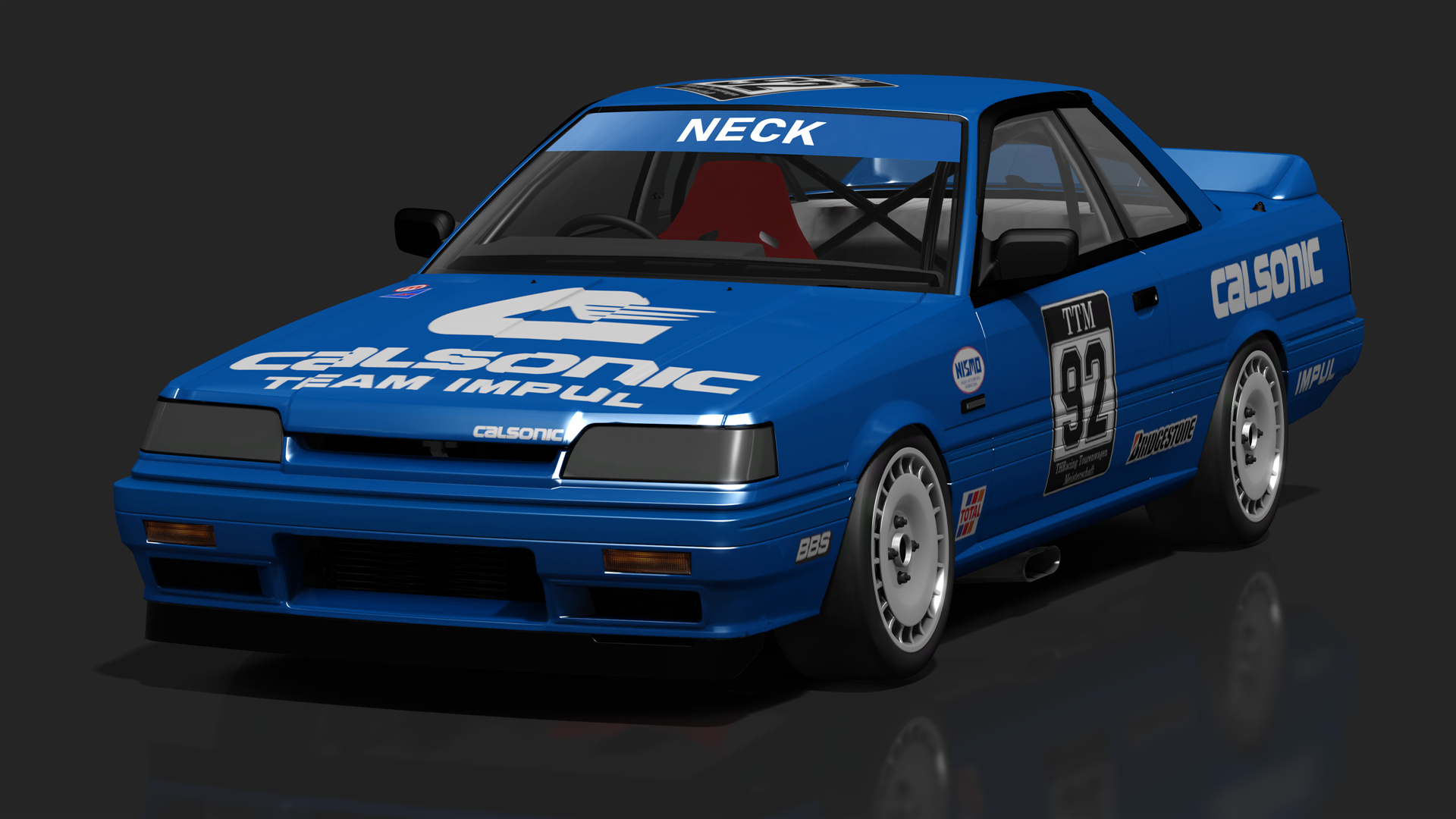
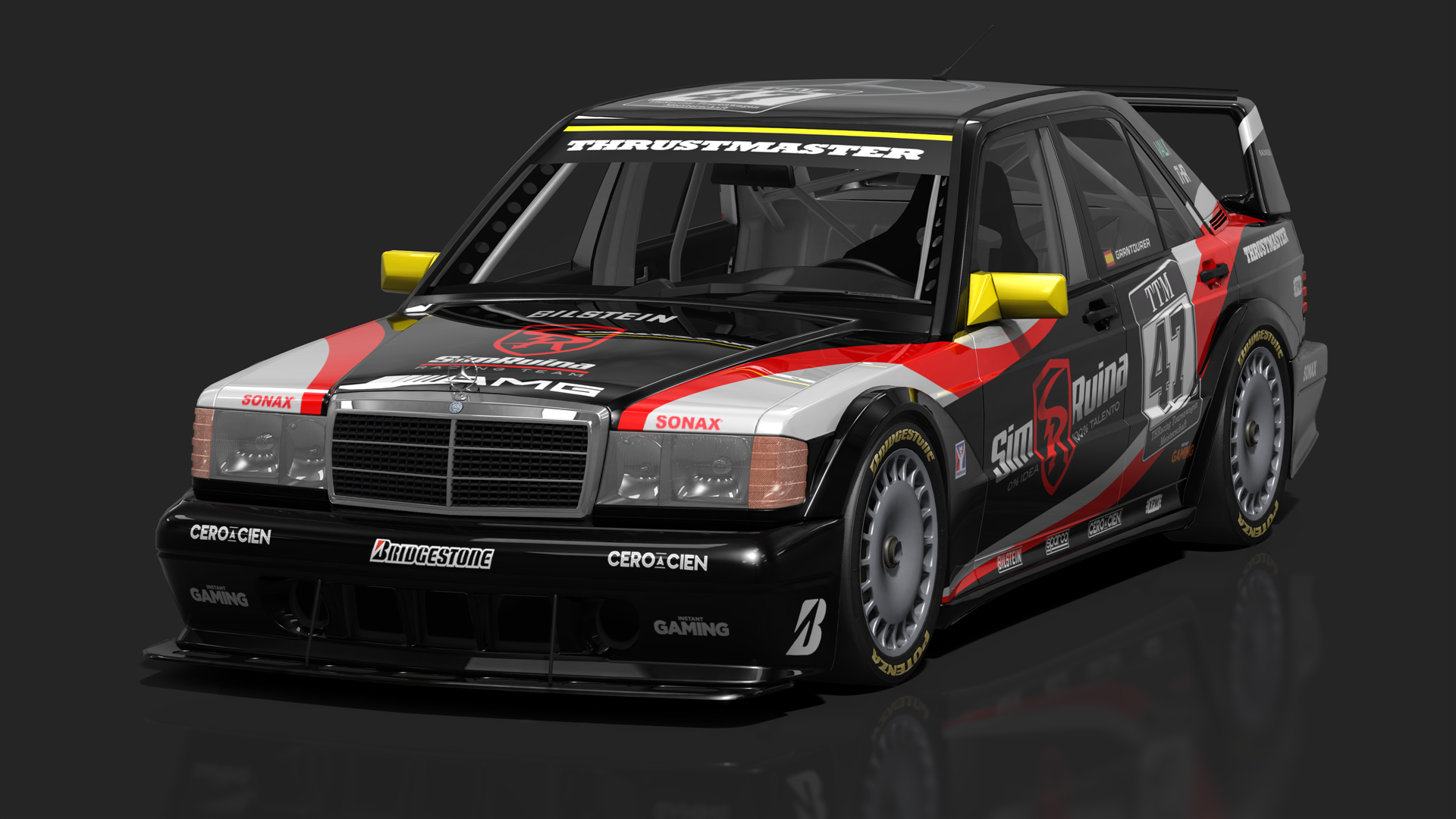
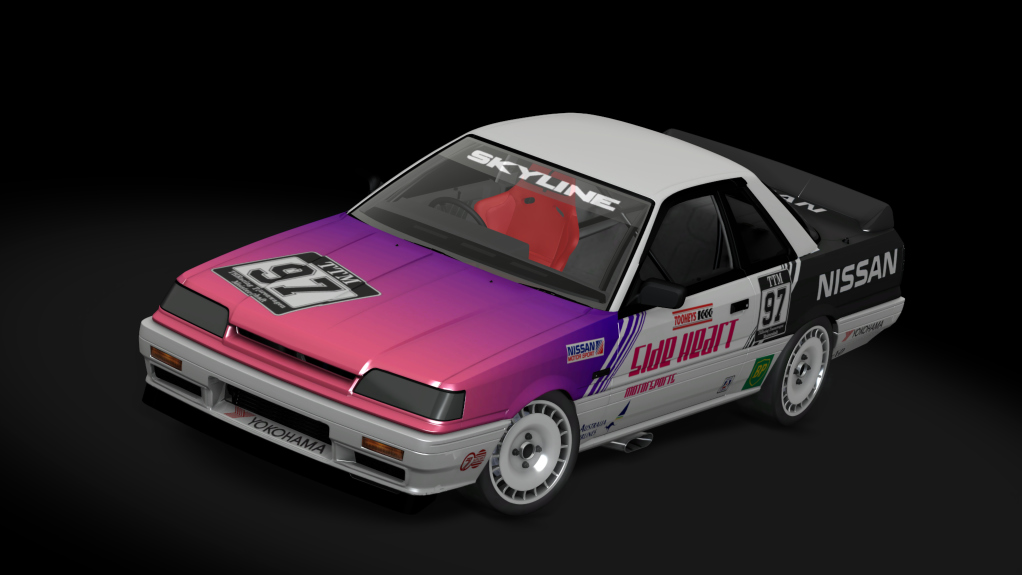
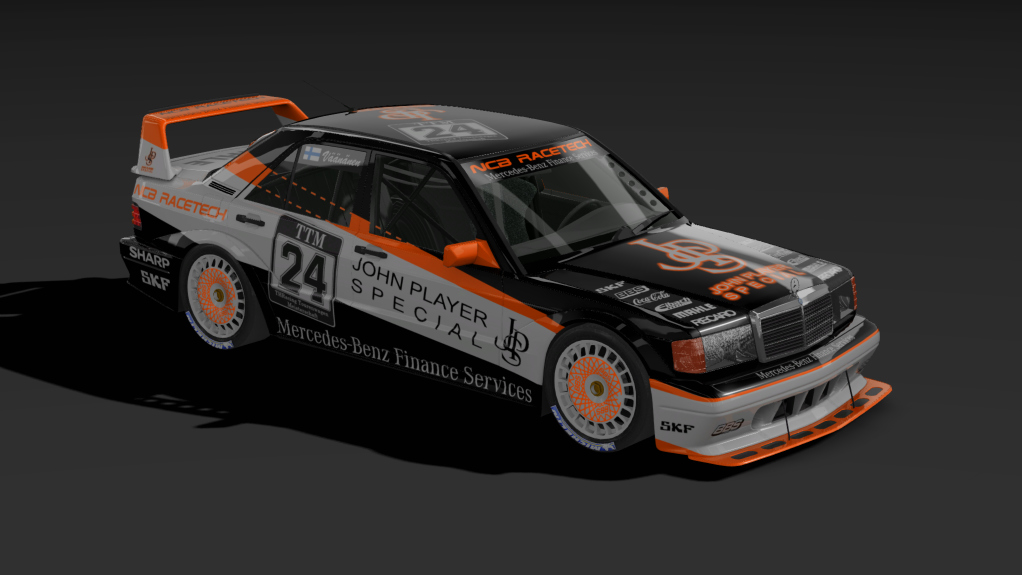
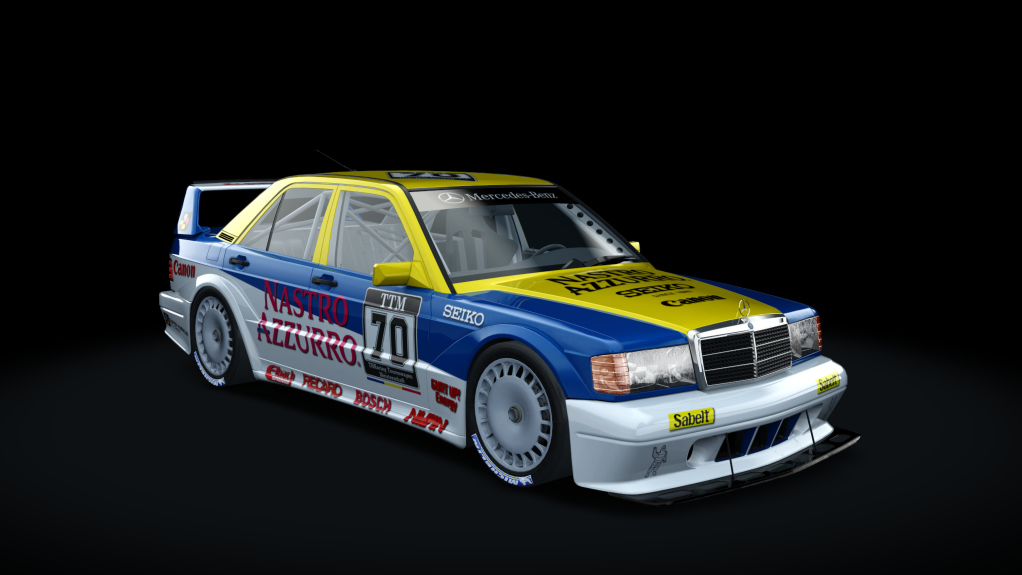
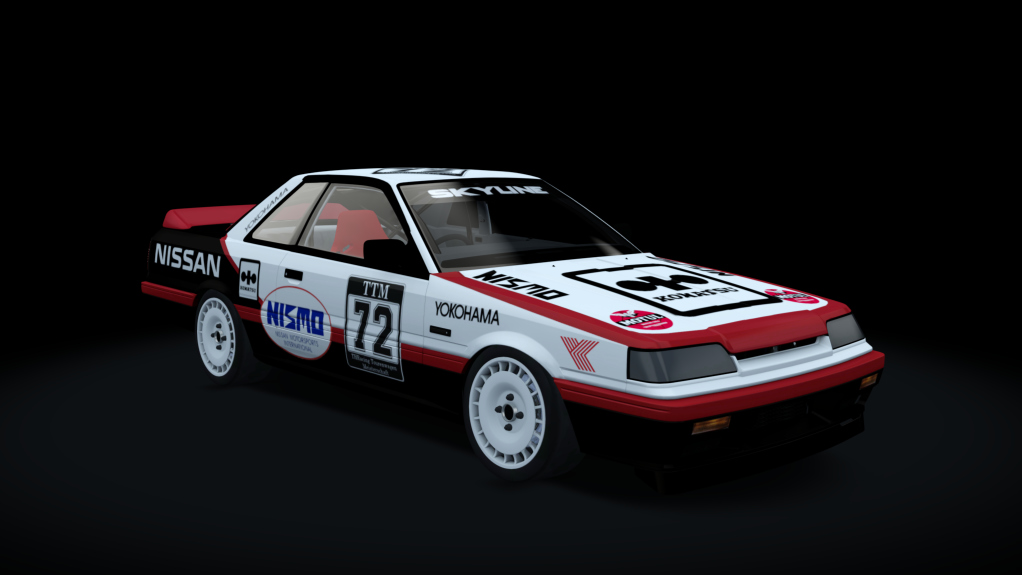
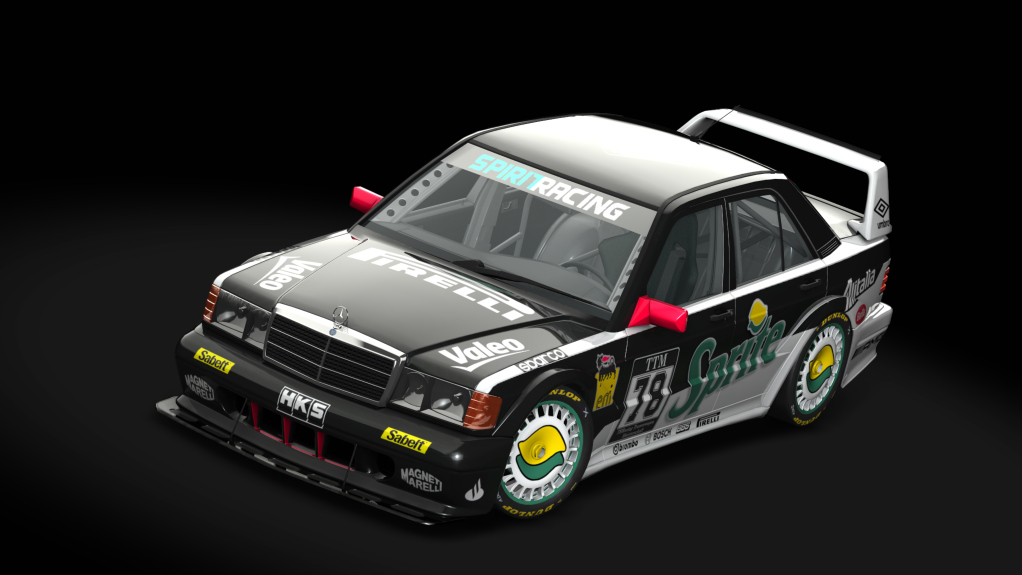
Orós, meanwhile, was building without display. His 13th place at Imola was set aside under the rule, and the Horsma fourth and Nürburgring second made a coherent recovery. Wellington brought that recovery to fruition. Orós won in the Mercedes-Benz 190E 2.5-16 Evolution II, Titos made it a Mercedes one-two in the race, and NeckR888 brought the Nissan Skyline home third. The four podium appearances accumulated by Mercedes after that meeting were a statement of growing breadth, even if Orós's own campaign was the more consequential part of it.
The Wellington result changed the leadership again. Orós reached the head of the Championship on 108 points. HappyKojot, classified 17th in the race, stood second on 102, six behind, level on points with Palubicki, who did not participate at Wellington and whose zero was his current dropped score. Orós had, through four rounds, a win and a second place - two top-two results in all - and his progression from 13th at Imola to fourth, second and first thereafter had transformed the complexion of the season.
Wellington also revealed the contrast between the principal candidates. HappyKojot's Sierra had already shown the capacity to win, but it had also been tenth at Horsma and 17th at Wellington. Orós's Mercedes had found a steadier rhythm after its opening setback. Celárek was still some distance from the headline argument, though his third at Imola, fifth at the Nürburgring and tenth at Wellington kept his Holden campaign alive. Diner, fifth at Wellington after sixth on the Nürburgring, remained an unobtrusive but persistent figure in the upper reaches. The Championship had altered leaders twice in two rounds, and neither of the early winners, Knechtel nor Palubicki, had been able to retain the initiative without interruption.
Bathurst and the narrowing of the argument
Mount Panorama restored HappyKojot to the front. The Ford won from Palubicki's BMW and Celárek's Holden, its second victory of the season. At that point HappyKojot had two wins, one second place and three podiums from five rounds - three top-two finishes in total - and led the Championship on 142 points. Palubicki's second placed him second in the table on 139, three points behind, while Orós was third on 132 after 11th in the race.
It was a crucial reversal because the three leading men arrived there by quite different roads. Palubicki had won once and taken second once from four starts, but his absence from Wellington remained the score that could be discarded rather than an opportunity to improve his counted total. Orós had passed through his strongest phase at the preceding two events, only for Bathurst to interrupt the run. HappyKojot, on the other hand, had made the Ford's strength count precisely when it was most needed. His Wellington 17th remained the score omitted from his tally, but the underlying issue was not merely the rule: the second Sierra victory put him back in command on the road as well as on the table.
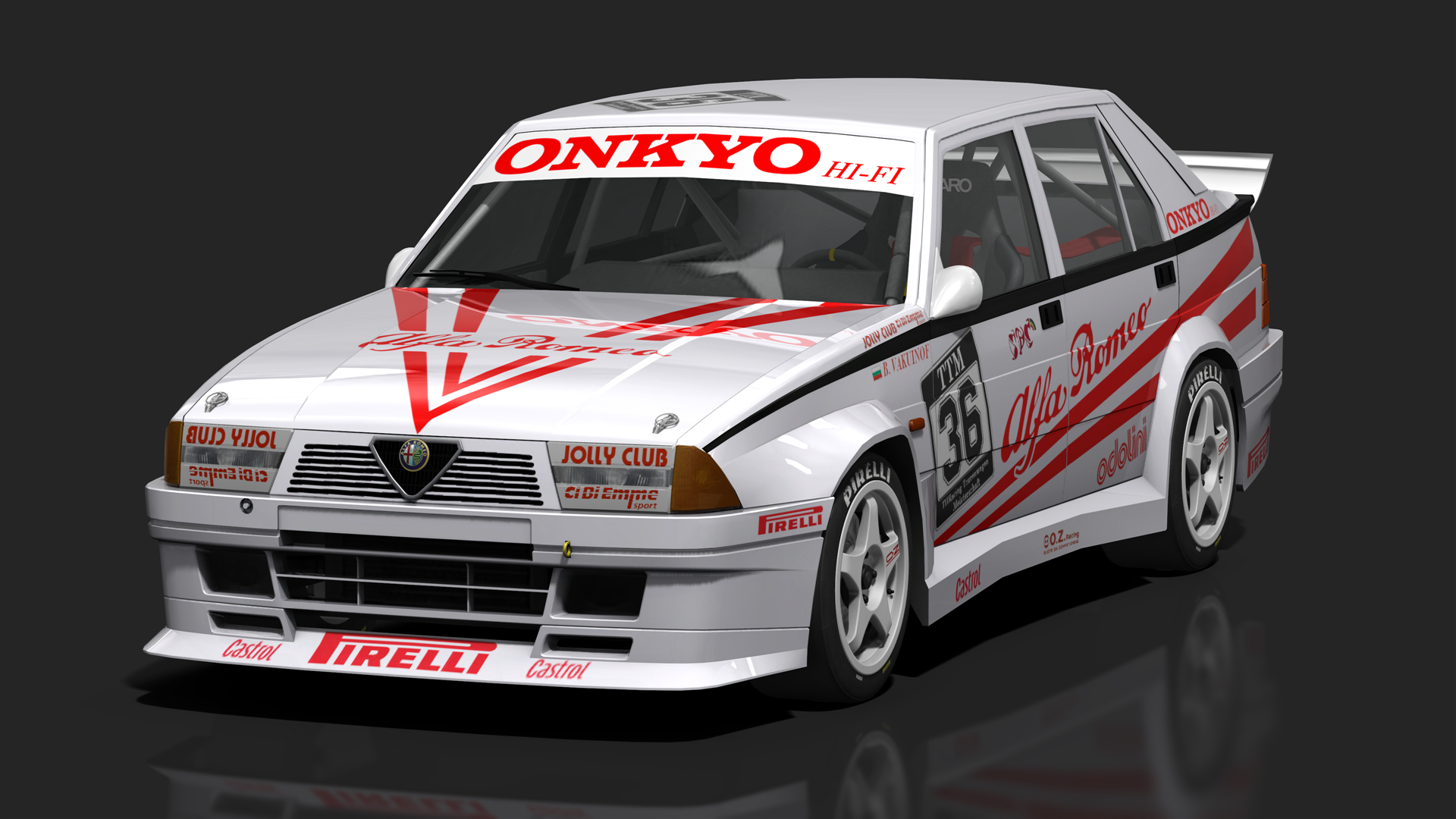
Celárek's Bathurst third deserves rather more than a footnote. It was his second podium of the season, after Imola, and it set up the closing meeting with the Holden gaining rather than fading. Boby Vakuinof, fourth at both Wellington and Bathurst after an earlier 35th at Horsma, also showed how the season's discard provision could rescue a campaign from one barren result. But the final reckoning would concern the Sierra, Mercedes and Holden, with the BMW's promising year constrained by its reduced four-round participation.
The broader picture remained finely balanced. Mercedes ended the season with five podium appearances, Ford with four, and BMW and Holden with three each. Yet the decisive contest was not a marque procession. It was a contest between HappyKojot's ability to win when the Sierra was properly placed, Orós's resolute reconstruction after Imola, and Celárek's increasingly forceful Holden challenge.
Adelaide's final settlement
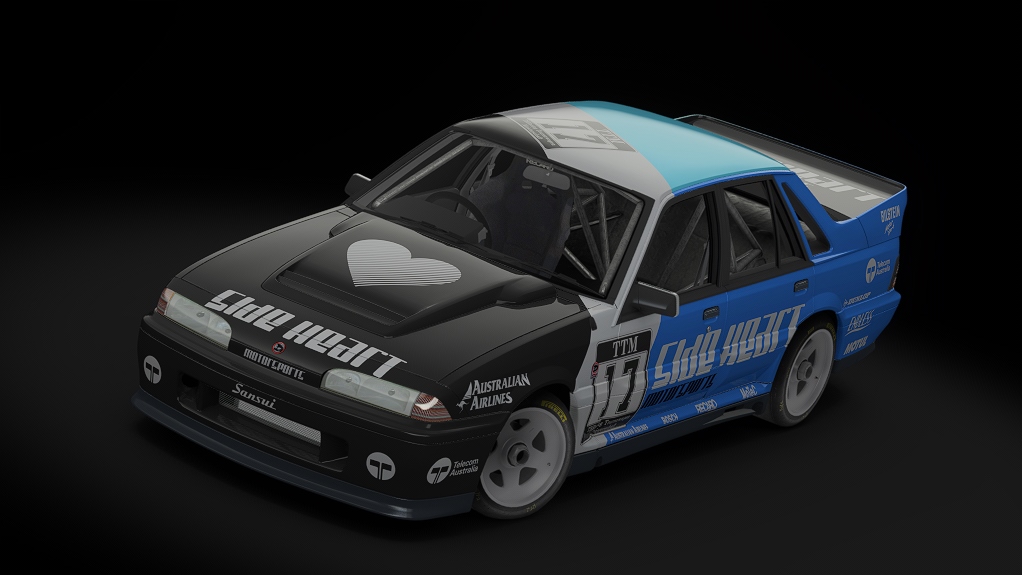
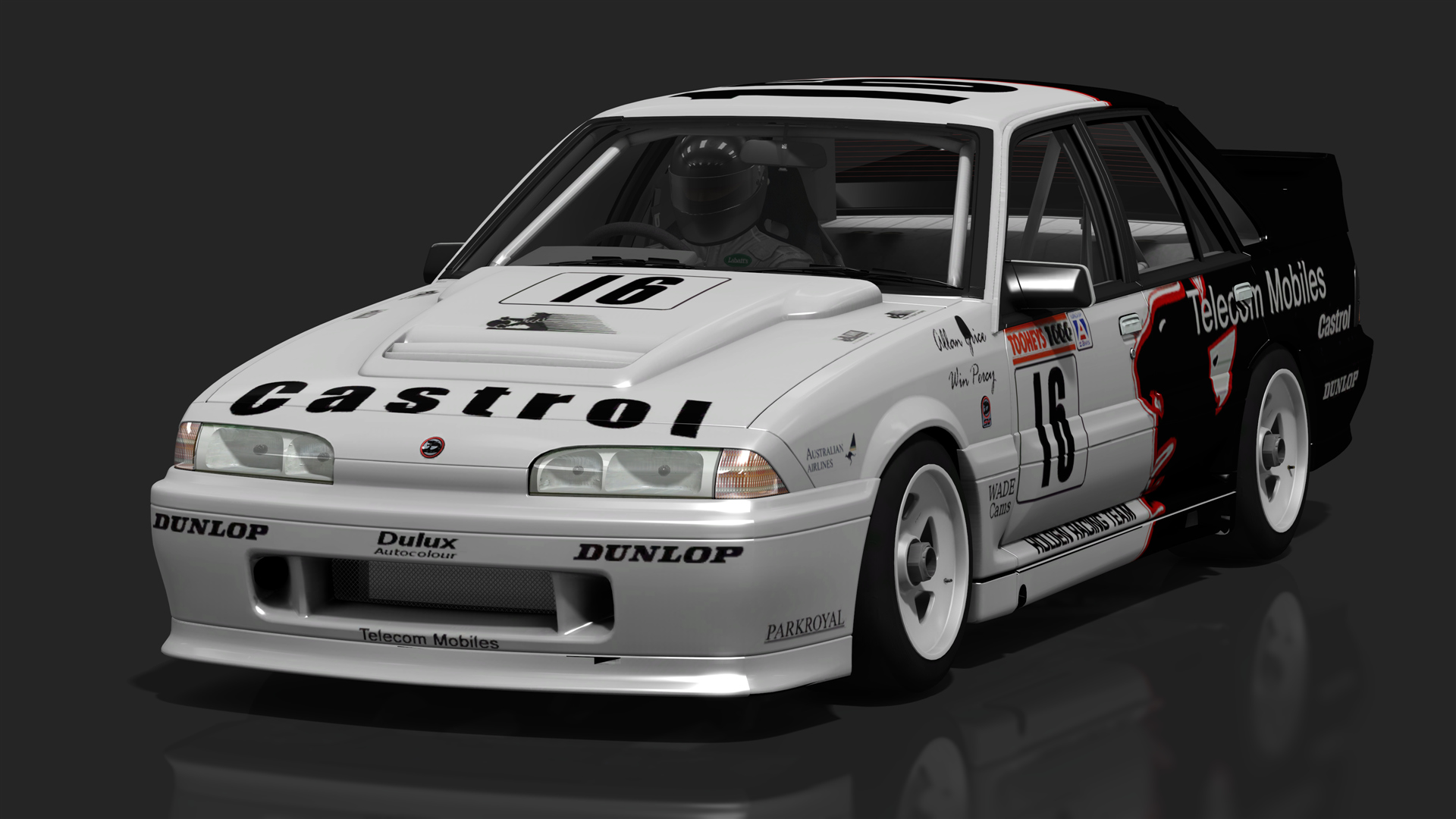
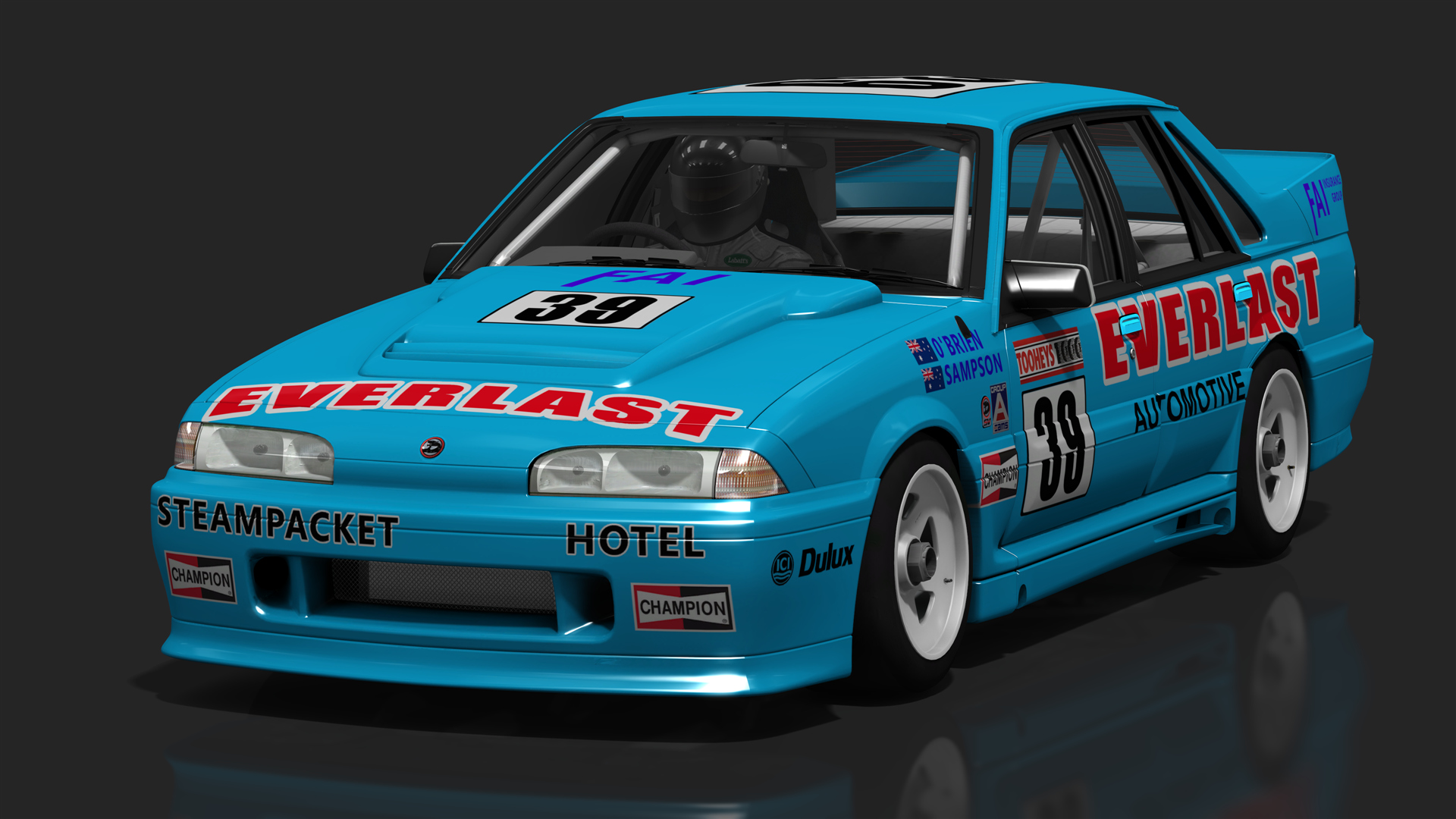
Adelaide gave the season its proper concluding symmetry. Celárek won the final race in the Holden, Orós took second in the Mercedes and HappyKojot third in the Ford. Each of the three principal protagonists therefore left the closing round with a result of substance, but it was HappyKojot who had the points in hand. His third place carried him to 176 points and the Championship. Orós's second gave him 169, seven short, while Celárek's victory lifted him to 163, thirteen behind the champion.
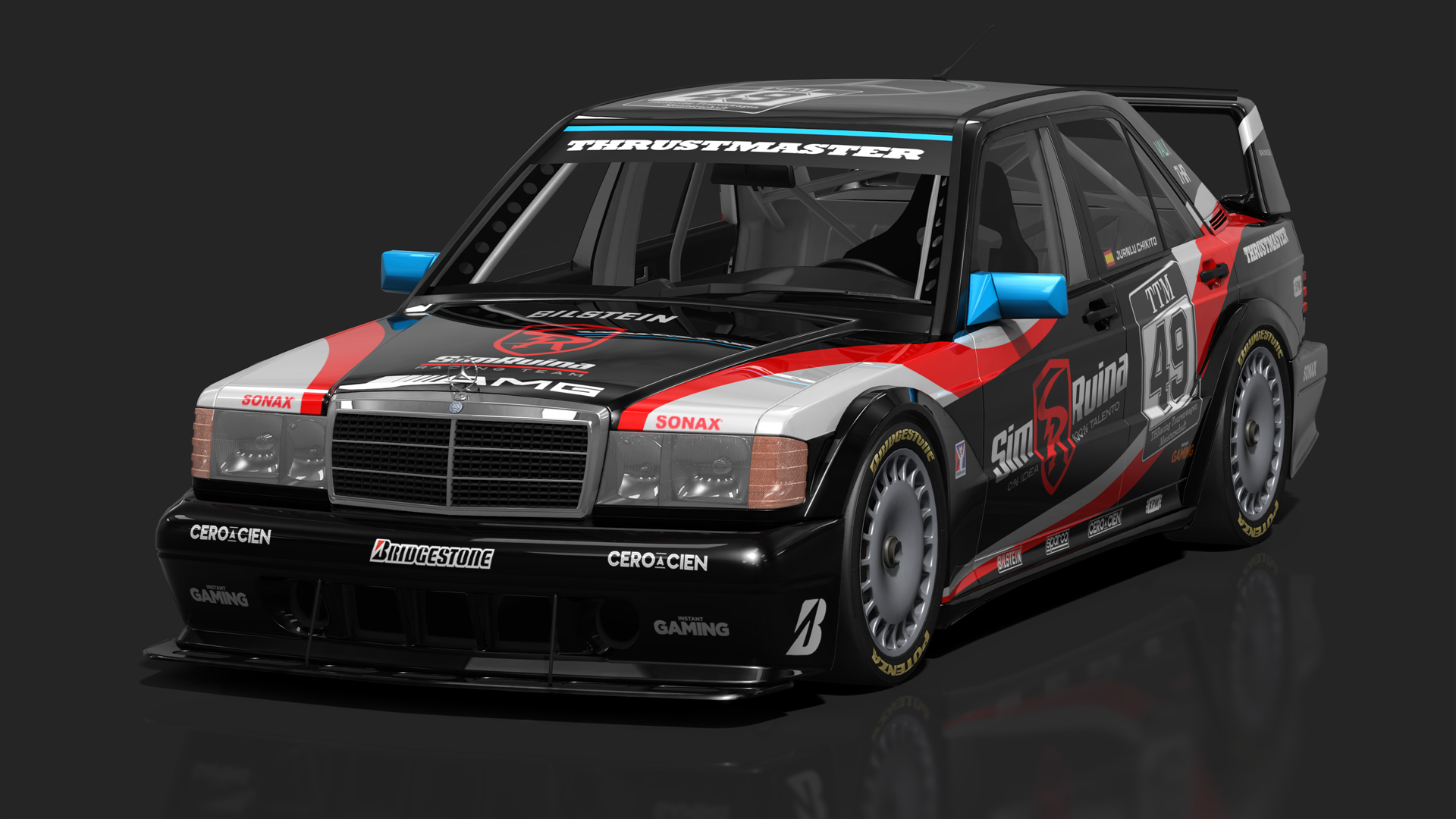
The final top three reflected the variety of the season. HappyKojot won the title for Side Heart Motorsports in the Ford Sierra RS500 Cosworth; Orós was second for Simruina Racing Team III in the Mercedes-Benz 190E; and Celárek, HappyKojot's Side Heart Motorsports team-mate, was third in the Holden VL Commodore. Side Heart Motorsports also took the teams' Championship with 339 points, ahead of Simruina Racing Team III on 310 and Jolly Club on 305.
HappyKojot's final record was two victories, one second place and one third place: four podiums and three top-two finishes from six starts. It was not a season without blemish, nor did it need to be. The counted total omitted the 18 points from Wellington, where he was classified 17th after completing 41 of the 42 laps, but the stronger point is that his two victories came at the Nürburgring and Bathurst, the very meetings that restored authority when it had appeared to pass elsewhere.
Orós's second place at Adelaide completed a season of one victory and two seconds, three top-two finishes and three podiums. His discarded Imola score was 22 points, and his campaign was a model of what a driver can recover once the poor opening result is no longer allowed to define the year. Celárek matched the tally of three podiums, with one victory and two third places, his Horsma score of 23 points ultimately dropped. His Adelaide win ensured that the final table gave full credit to the Holden's late-season strength.
There were several leaders, several winning cars, and no easy route through the six meetings. Knechtel's opening Alfa success, Palubicki's BMW victory at Horsma, Orós's Wellington ascent and Celárek's Adelaide flourish all belonged to the season's texture. But HappyKojot had the most complete answer to its changing conditions. He won when victory was available, returned to the front after Wellington had displaced him, and retained sufficient composure at Adelaide to turn a seven-point margin into the Championship. In a season governed by the value of five results from six, the Ford driver's ability to make his lesser day count for least was the enduring distinction.