FMG's Championship of Patience
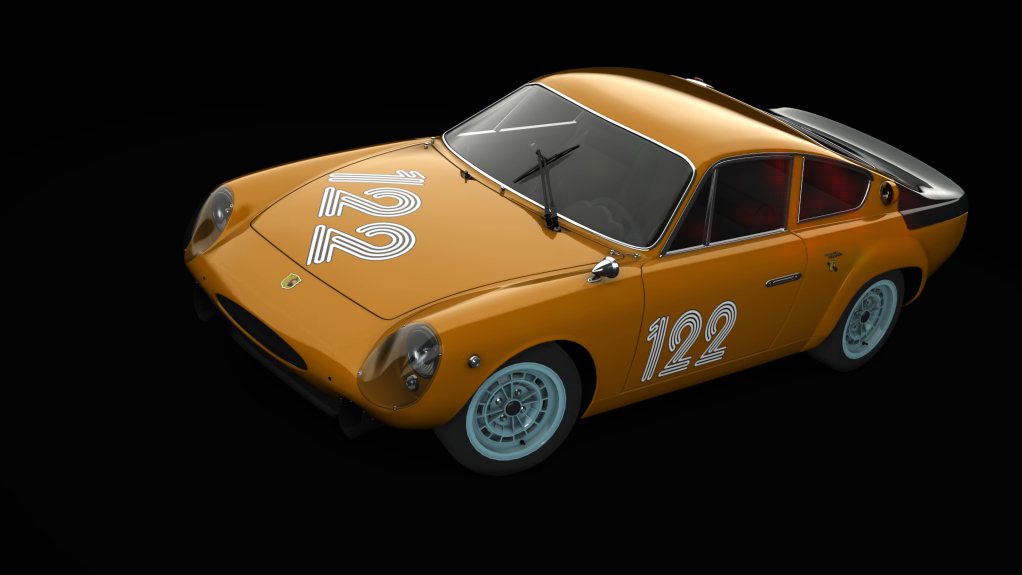
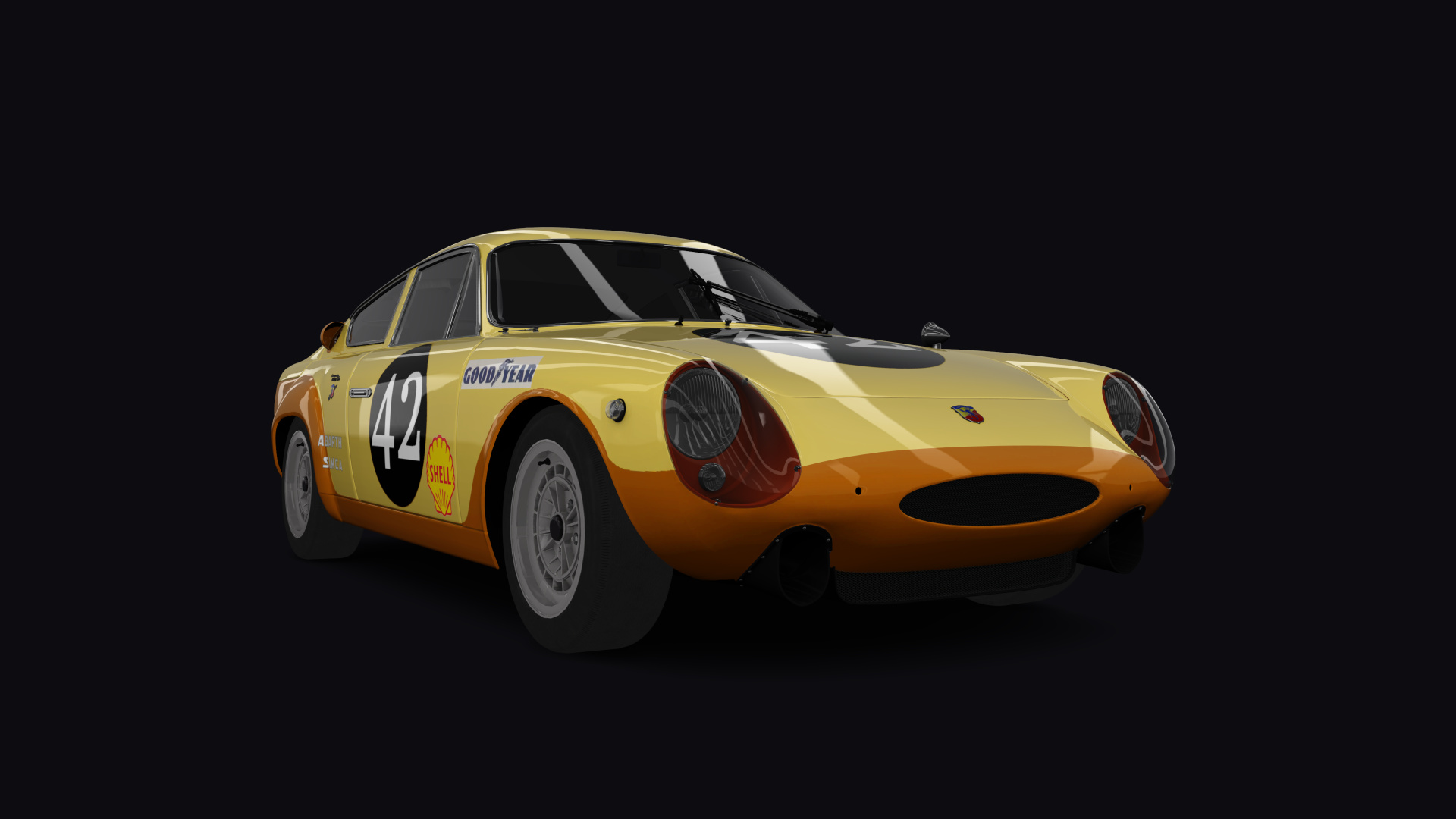
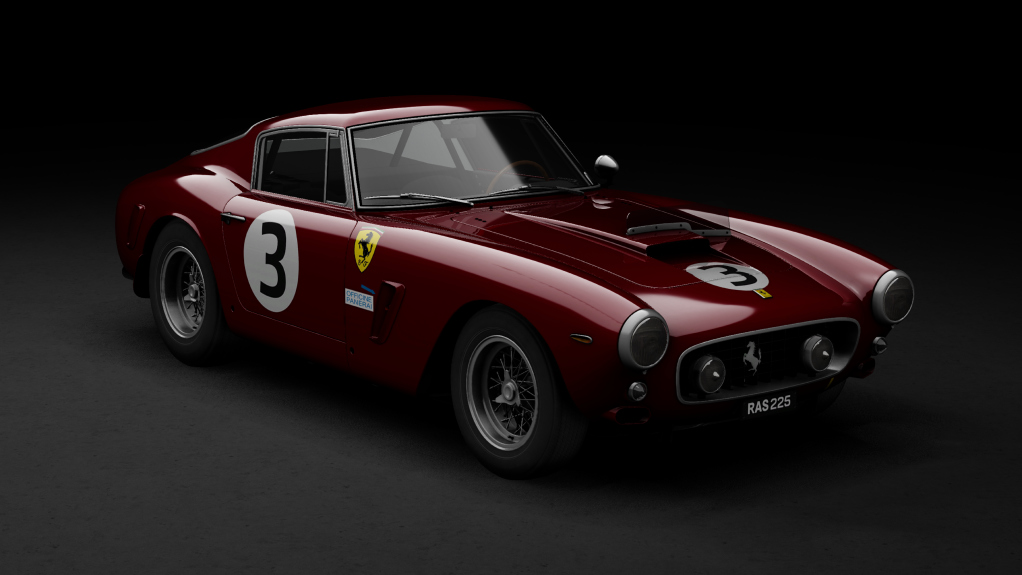
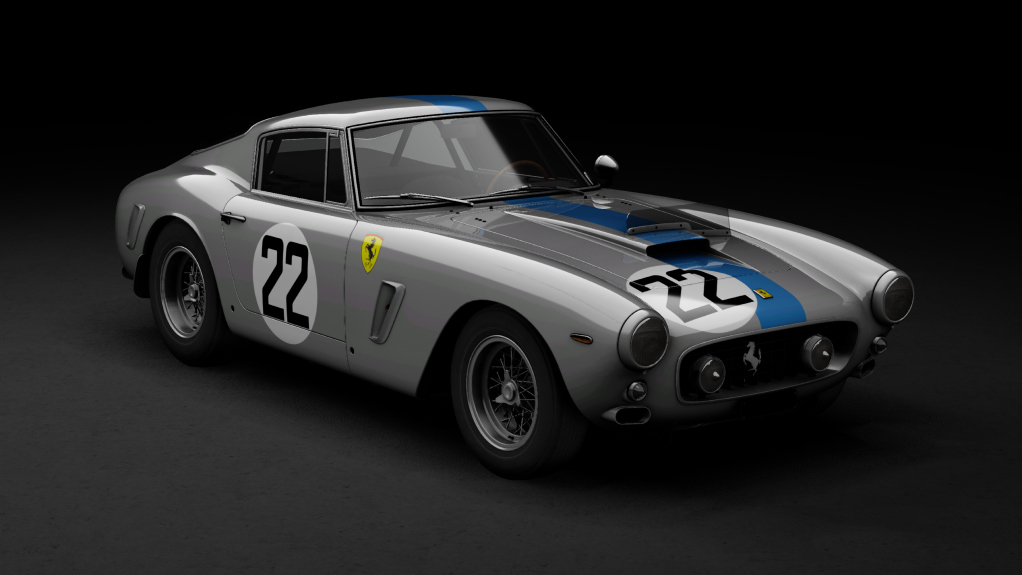
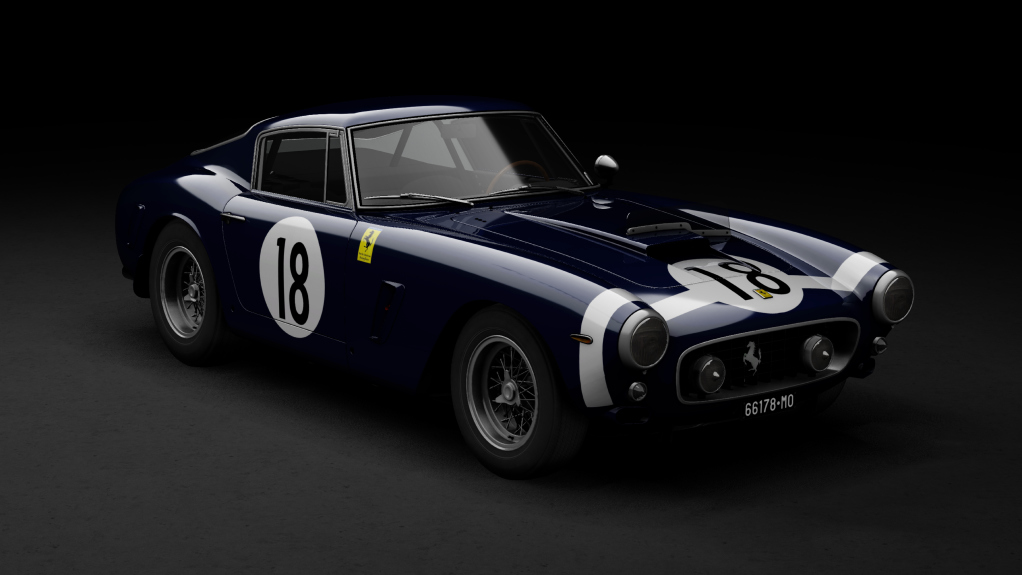
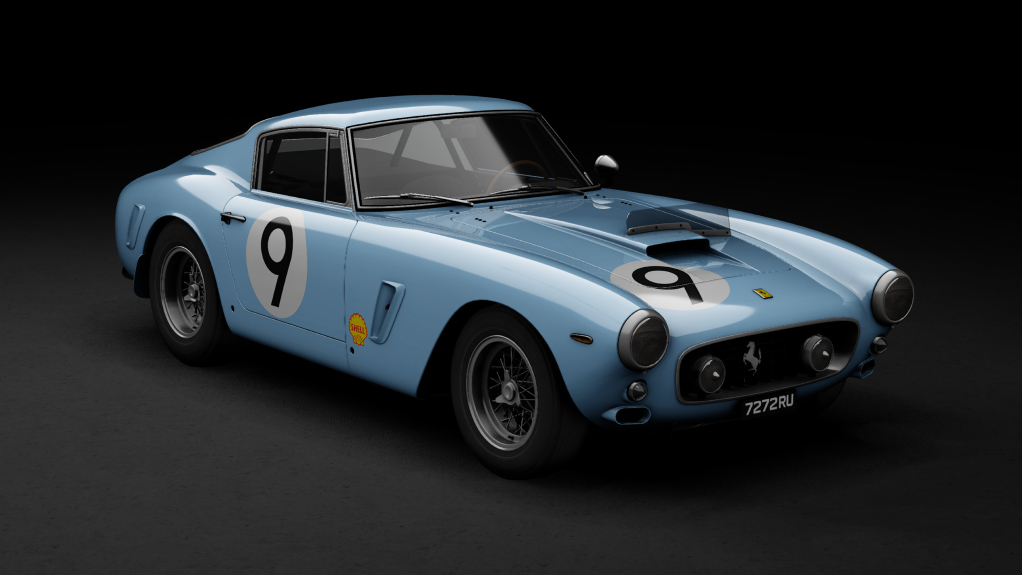
The fourth GTC60 Casual Cup began with the Sunbeam Tigers setting the pace and ended with an Abarth Simca on top of the table. FMG won no race, yet his measured accumulation of second and third places proved stronger than the intermittent brilliance around him, carrying Vixen/Simca to the title by 63 points.
A quick beginning, and an uncertain table
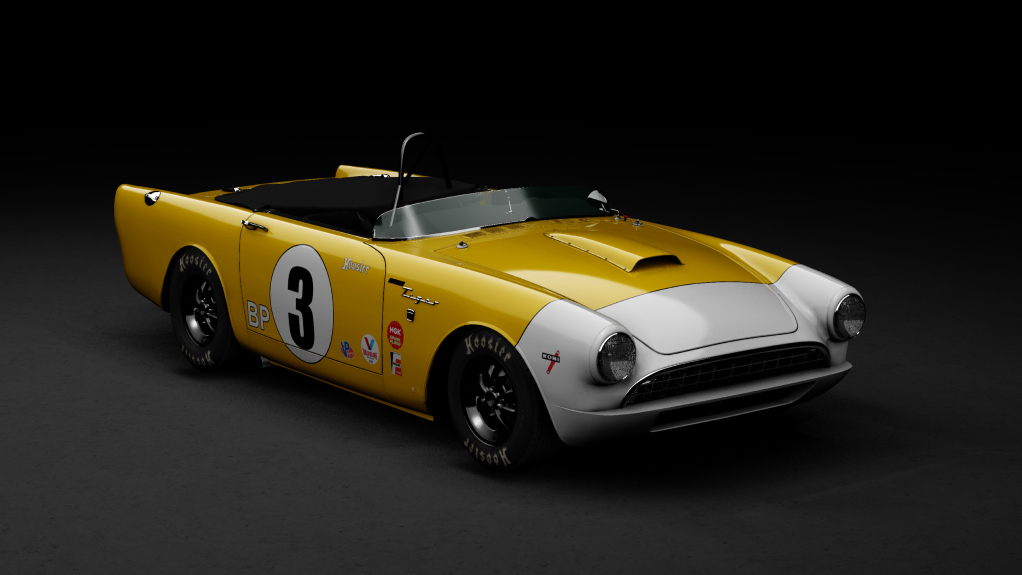
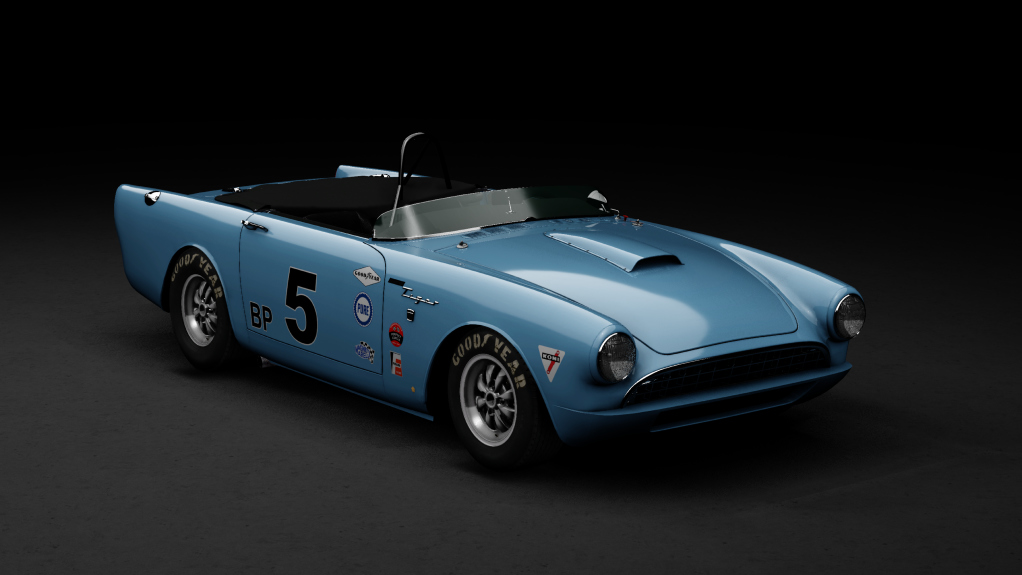
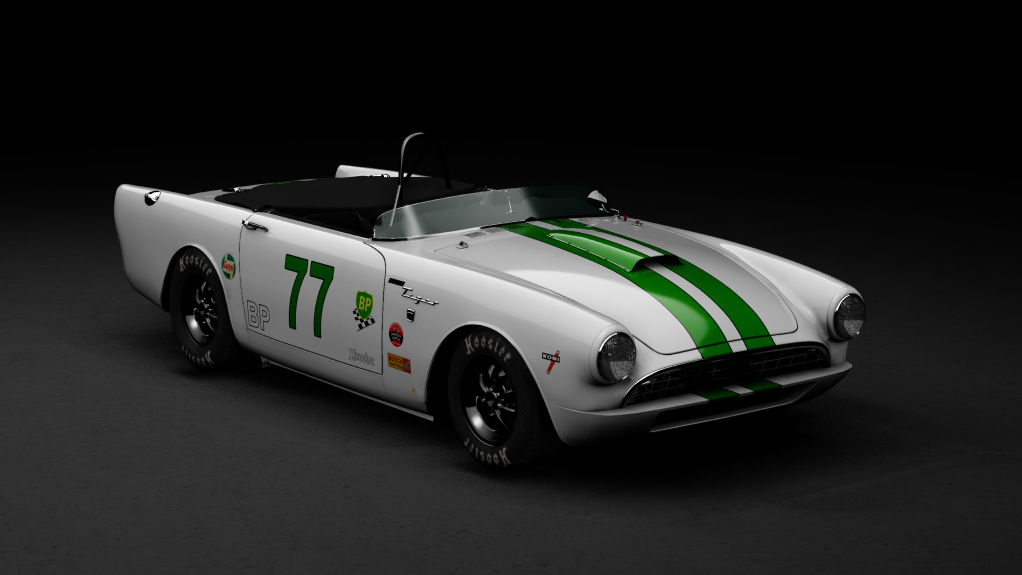
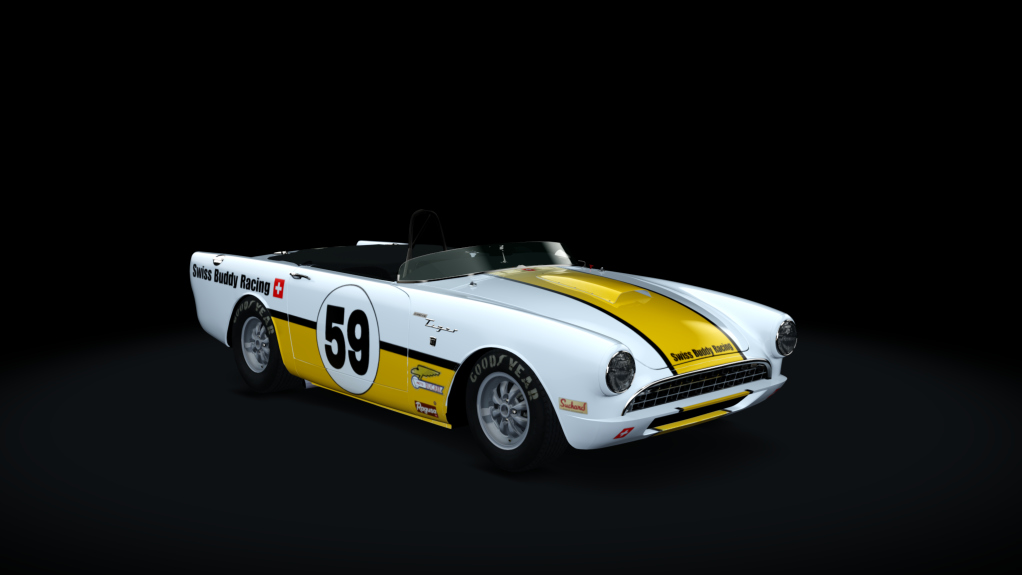
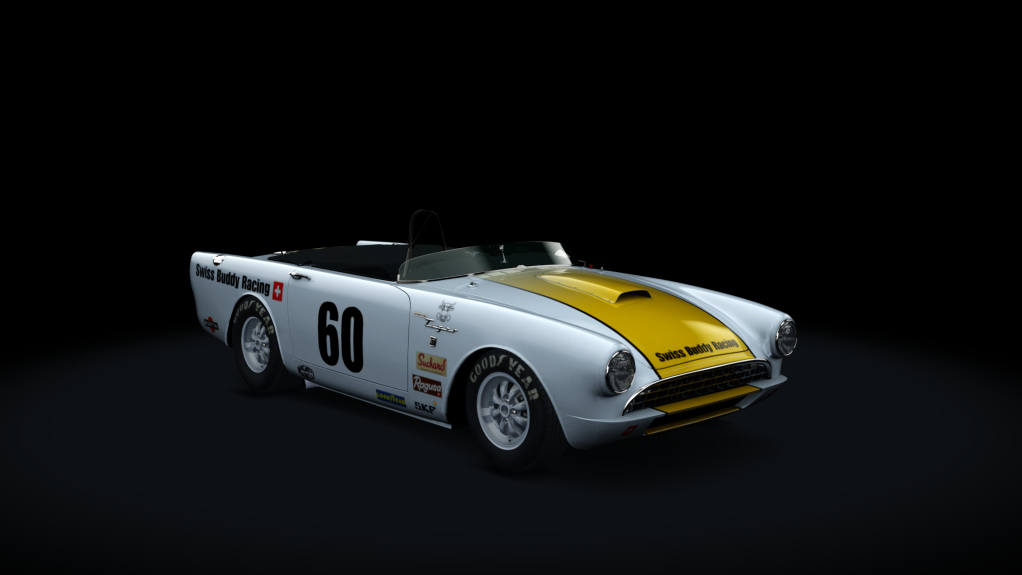
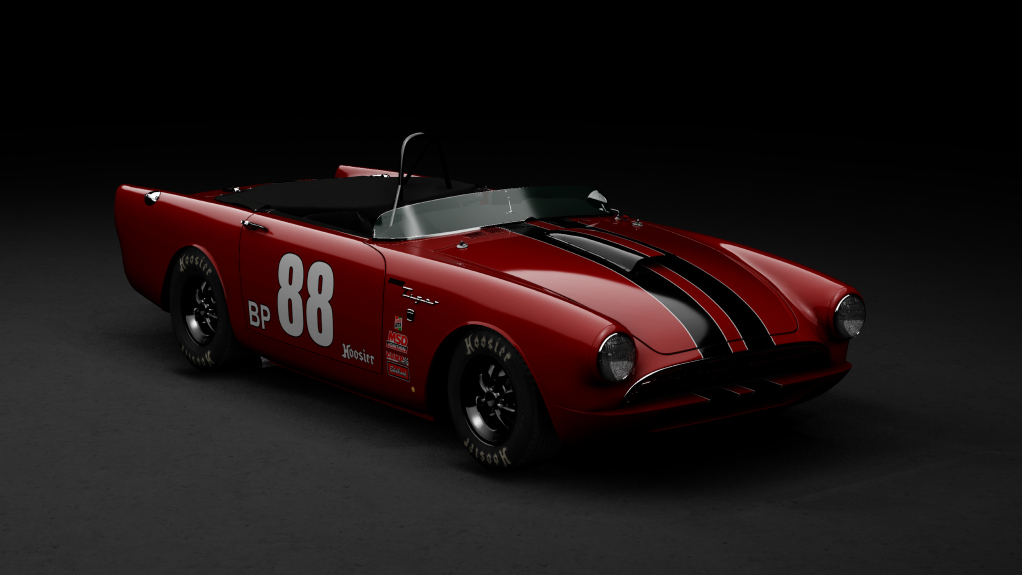
The season opened at Roy Hesketh in a manner which seemed to promise a Sunbeam Tiger benefit. donutsnail won both races, each time ahead of kevin barrows, and left the opening meeting with 80 points to Barrows's 74. It was a compact declaration of speed, reinforced by the Tiger's four appearances on the first two podiums of the year.
Yet the early table was not a settled order so much as a register of who had appeared. FMG's Abarth Simca had taken third place in the first race, while Barrows had demonstrated the more important quality of being immediately close to the pace twice over. The championship's one-discard rule was already in operation, but with so little mileage accumulated it made the opening figures provisional in feel as well as in arithmetic.
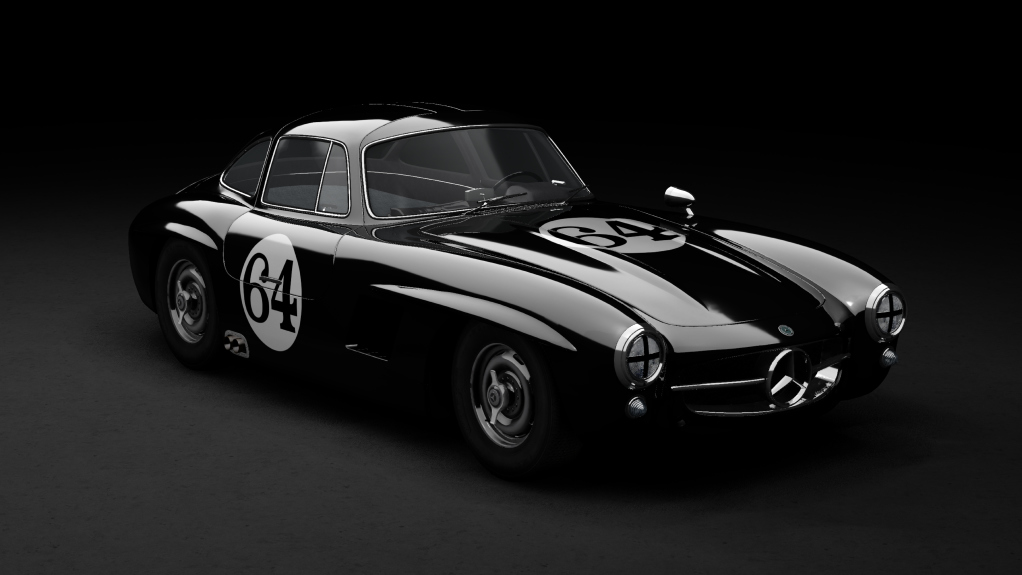
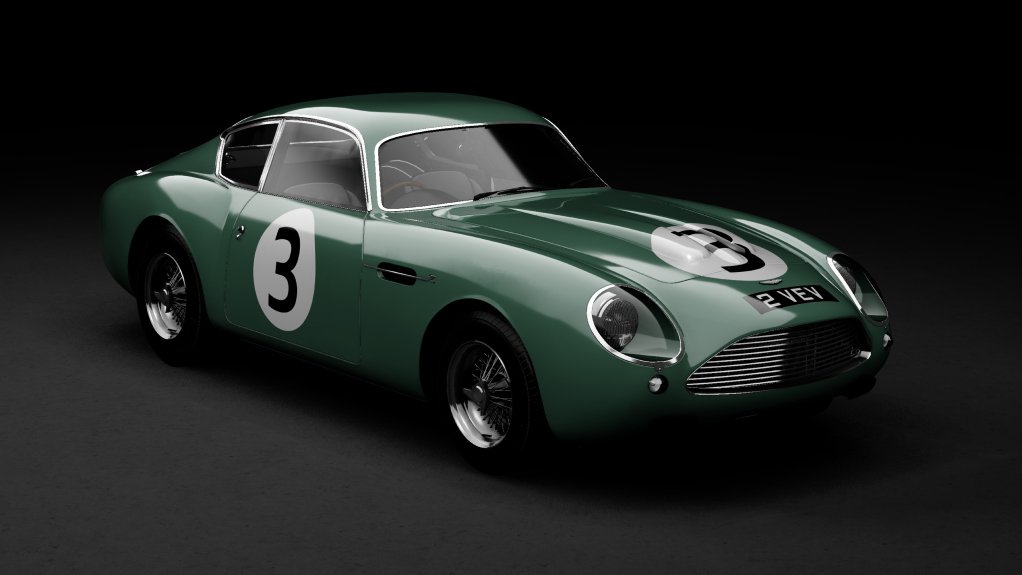
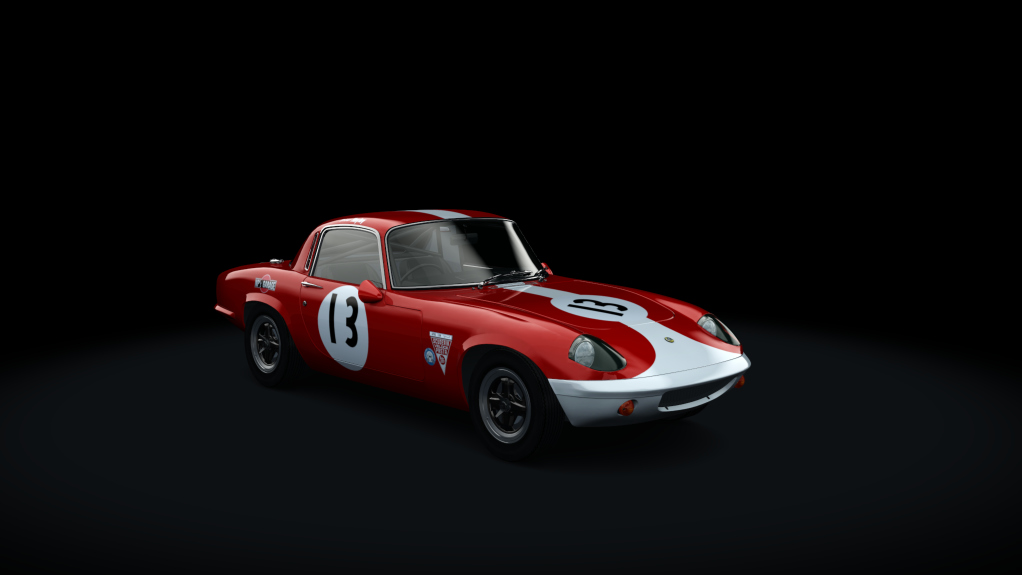
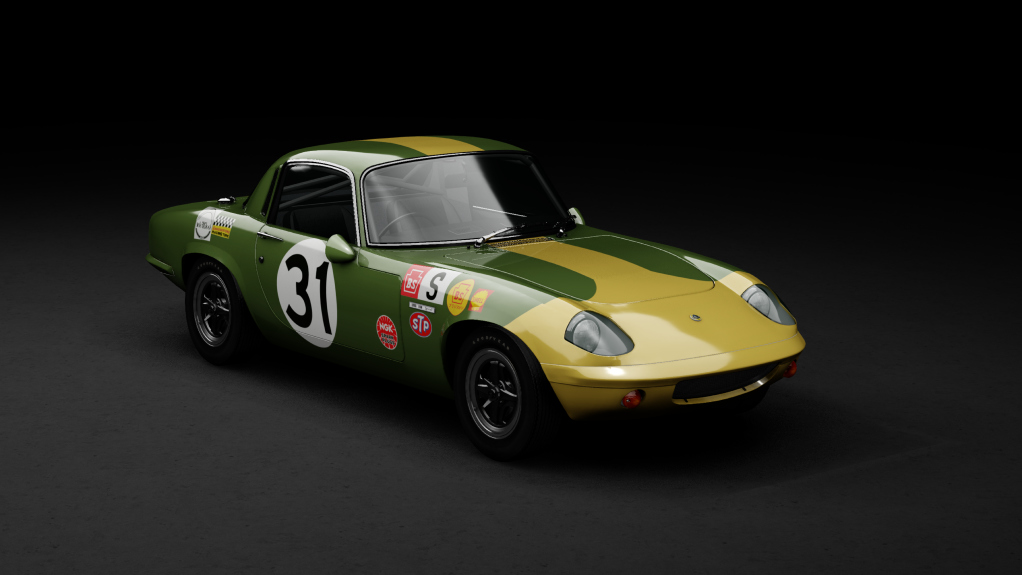
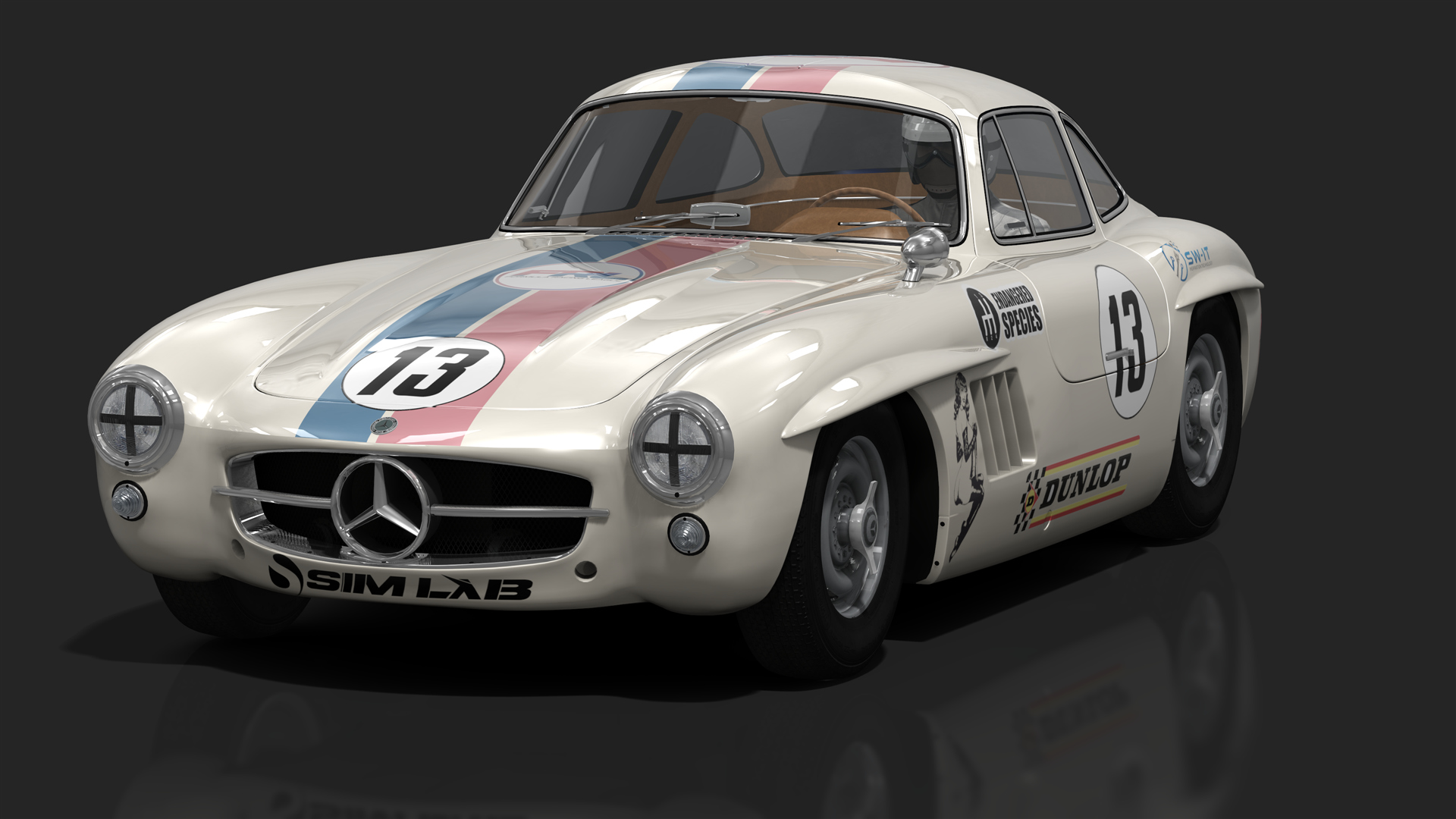
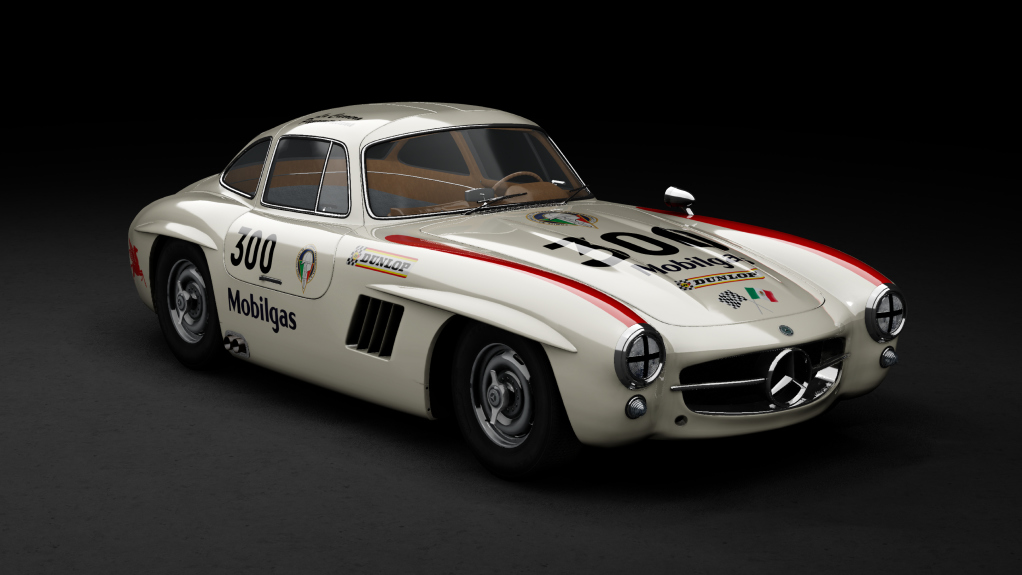
Bikernieki altered the appearance of the contest without altogether revealing its final character. Leon Böing brought the Lotus Elan 26R to two victories from two starts and joined donutsnail on 80 points at the head of the Championship. Willphaizer's Mercedes-Benz 300SL supplied a third and a second, while FMG added a second place in the first race. Barrows, fourth and fifth across the meeting, remained only six points from the joint leaders on 74. The Tiger had lost its monopoly of the front, but its strength was not yet in doubt: after two rounds it still accounted for two of the four race victories, level with the Lotus.
That early turnover was characteristic of the year. Individual meetings produced emphatic visitors and brief bursts of form, but the sustained campaign belonged to those who returned, gathered points, and let the discarded result absorb only a limited portion of their weaker work.
Longford gives Barrows the lead
At Longford the Sunbeam again provided the winning car in both races, Zaza taking the first and Dylan Roberts the second. Roberts's second place followed by victory was among the sharpest two-race performances of the campaign; Zaza's win was followed by a classification in 16th after completing six laps, a reminder that a meeting could offer both reward and reversal in a short space.
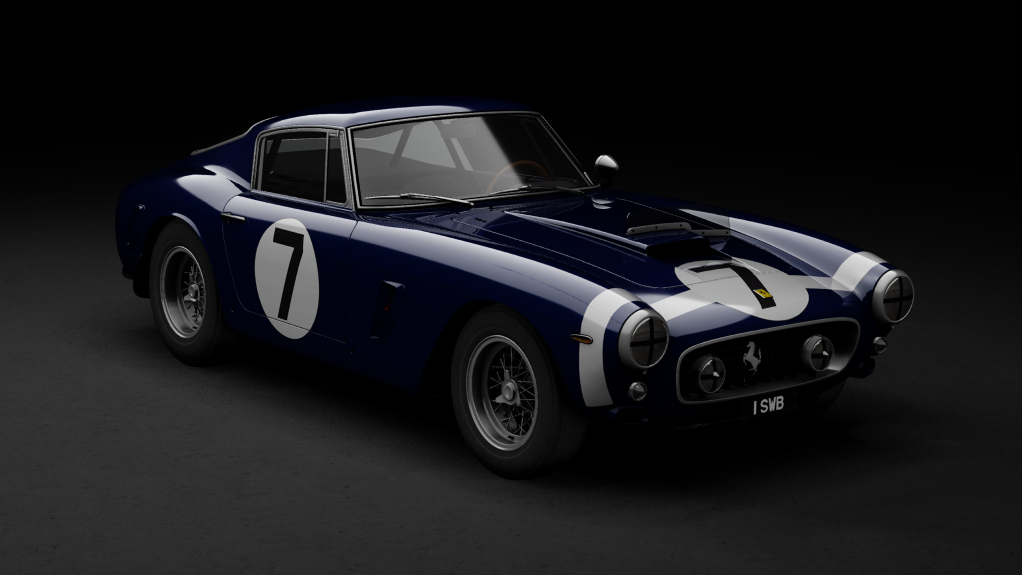
For the Championship, however, it was Barrows who made the essential advance. Fourth in the first Longford race and second in the next, he assumed the lead on 142 points. FMG was second in the table on 130, 12 points behind, after fifth and third in the races. Qkk, with two sixth places at Longford, rose to third in the Championship on 117 points, 25 behind Barrows. There was nothing dramatic in FMG's figures, but therein lay their significance. The Abarth Simca was present at the sharp end often enough to preserve a clear line of attack when faster or more spectacular individual campaigns came and went.
The contrast with the men who had led earlier was instructive. donutsnail's perfect Roy Hesketh score and Böing's Bikernieki double remained fine isolated achievements, but neither developed into a full-season challenge. Barrows, by comparison, had three second places from six starts by the end of Longford, and his lead was earned by a useful mixture of high results and continued attendance. It was the first stage at which the season acquired a recognisable duel: Barrows's Tiger against FMG's Abarth Simca.
Marlboro and the single point
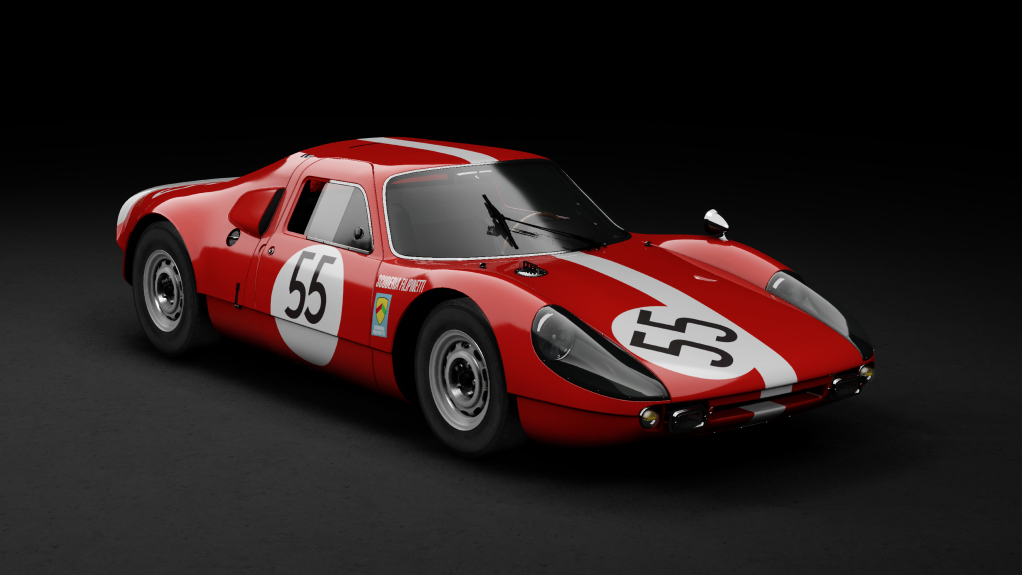
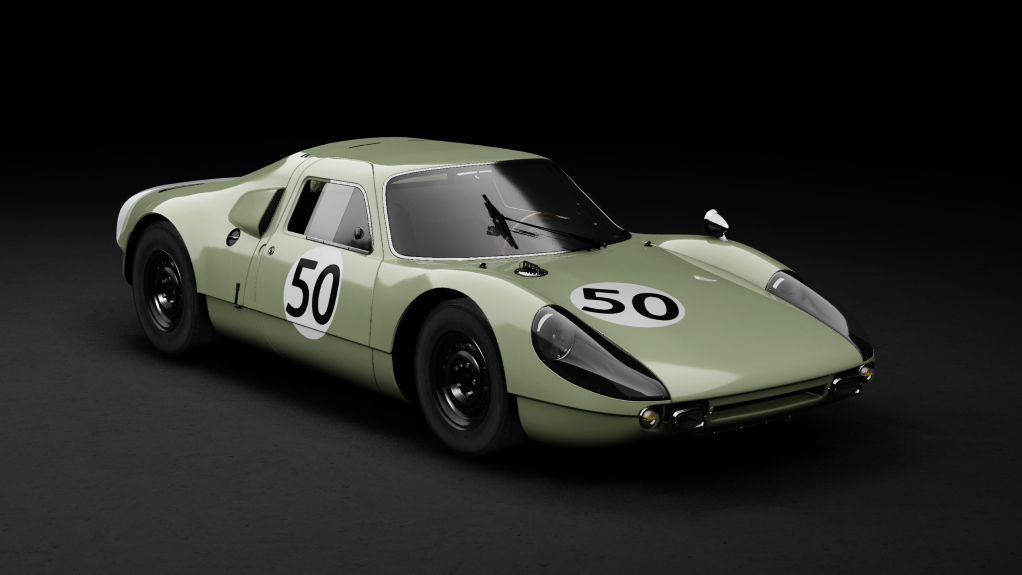
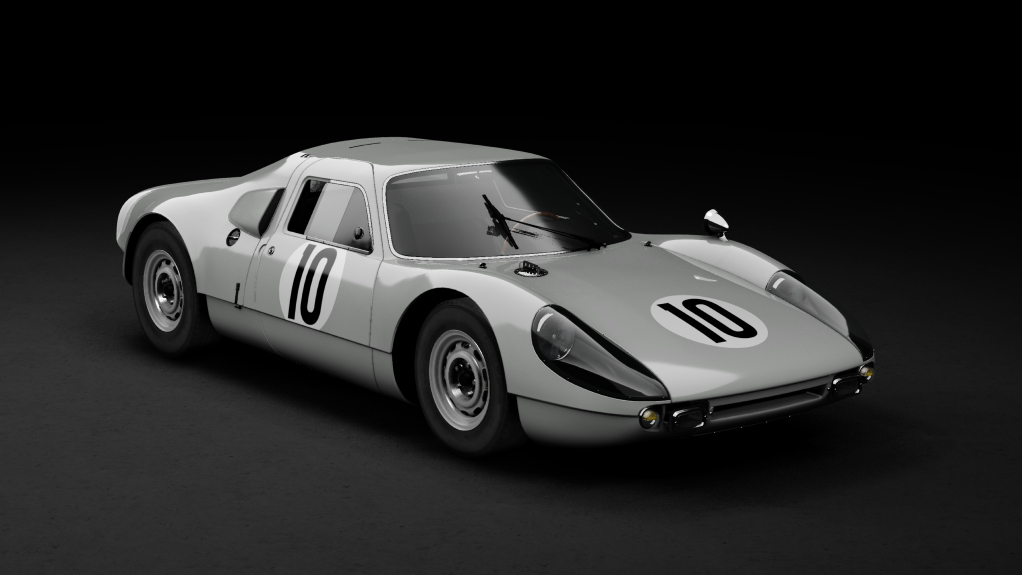
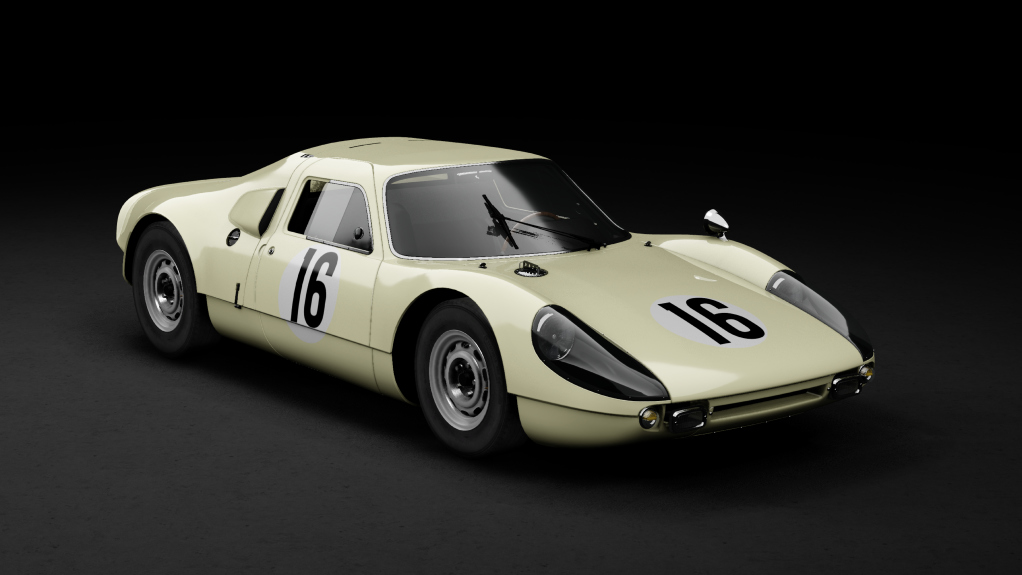
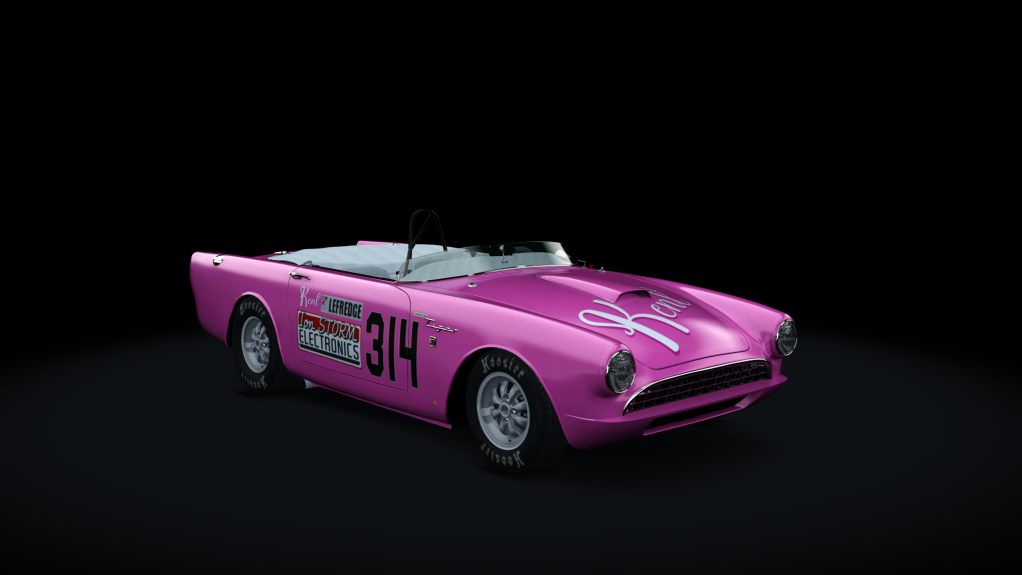
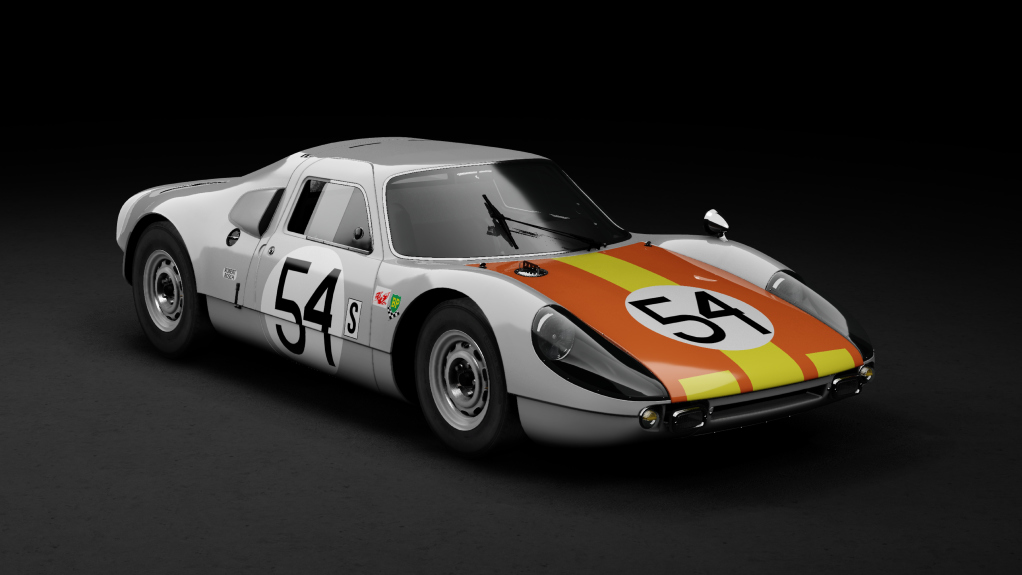
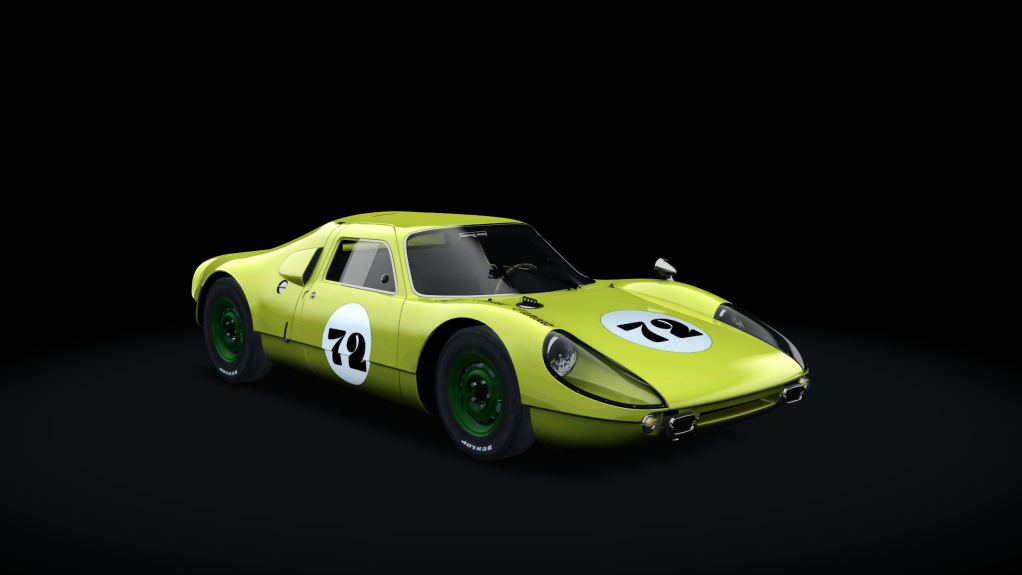
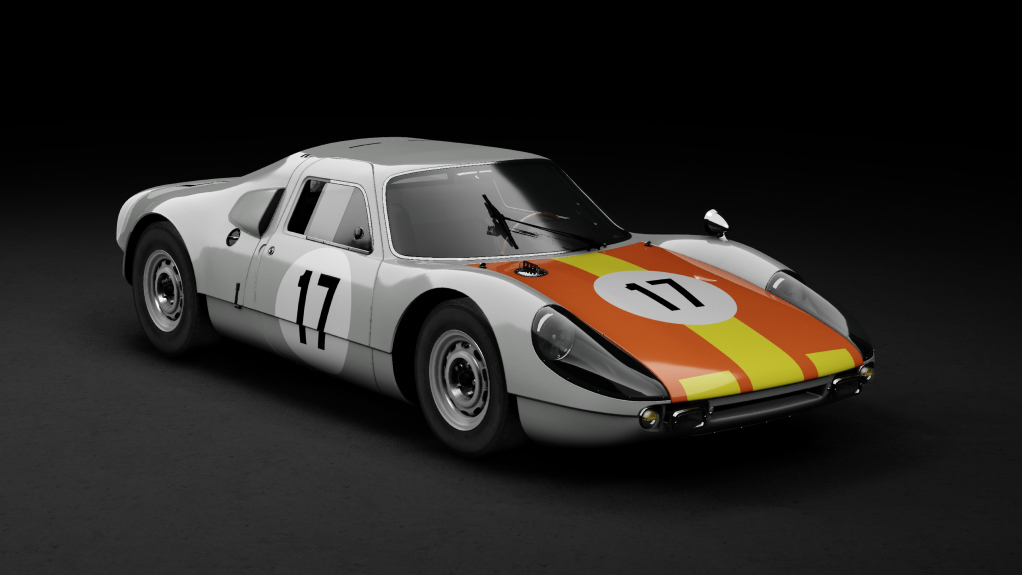
Marlboro was the pivot. Johannes Berger won the first race in a Porsche 904/4 GTS and then took third in the second, while Kent LeFredge's Sunbeam Tiger won the other race. These were notable performances in their own right, and the meeting broadened the list of winning machinery, but its lasting importance lay in what happened immediately behind them.
FMG was second in both races. By the close of the round he had three second places and five podiums from eight starts, and he had moved into the Championship lead on 204 points. Barrows, absent from the Marlboro races, stood second on 203. One point separated them.
There was no need to exaggerate that margin. It was fragile, and the score discarded by the rule remained driver-specific and changeable as the season progressed. But Marlboro exposed the advantage FMG had quietly built. His opening Roy Hesketh score of 61 points was, at that moment and at season's end, the result removed from his counted total; even so, the sequence of useful placings through Bikernieki, Longford and Marlboro had put him ahead of the early leader.
The round also marked the arrival of Rimzil Galimzyanov as a serious points presence. Third and fifth in the Porsche gave him his first podium and lifted his counted score to 165. Westley Fisch, driving the Tiger, was fourth and sixth in the races, classified after 19 laps in each case. His position in the Championship was third on 167 points, 37 behind FMG and 36 behind Barrows. Neither man had the headline of an outright win, but both were beginning to make the later top three plausible.
The leader's quiet command
Brands Hatch did not deliver an FMG victory. Indeed, it supplied a particularly vivid reminder of how varied the GTC60 field could be. Willphaizer won for Porsche and Albert Olivé for Lotus, the pair exchanging first and second places. Willphaizer's season comprised one victory, two second places and a third from six starts, four podiums in all, a handsome return that placed him fifth in the final Championship on 208 points.
But FMG's two third places were more valuable to the larger argument. They took his running record to seven podiums from ten starts - three second places and four thirds - and enlarged his Championship lead to 272 points. Rimzil Galimzyanov was now second on 224, 48 points adrift, while Fisch held third on 221, only three points behind the Porsche driver but 51 behind the leader.
It was at Brands Hatch that the Championship ceased to be defined by the old Barrows-FMG comparison. Barrows remained on 203 points after his Marlboro absence, while the Porsche and Tiger of Rimzil Galimzyanov and Fisch advanced on their own steady lines. Rimzil Galimzyanov had no victory and only one podium in his eight starts, but his scoring record from Marlboro onwards brought him to the forefront. Fisch's case was even more austere: twelve starts, no podium, no top-two finish, but an unbroken accumulation of classified results. In a six-round championship with one event score discarded, such persistence had substantial value.
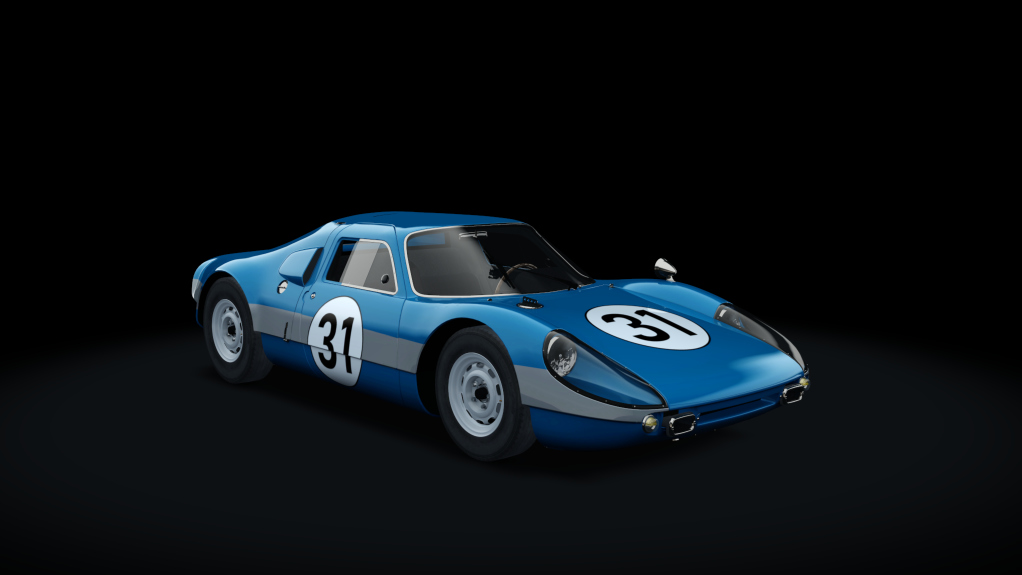
The marques told a similarly balanced story. Sunbeam and Lotus ultimately shared five wins apiece, while Porsche claimed two, but the Abarth Simca kept returning to the rostrum. The Tiger recorded 11 race-podium appearances across the campaign, the Abarth 10, the Lotus seven and Porsche five. The title car was not the most frequent podium visitor, but it was close enough to the front often enough to turn regularity into command.
Castle Combe and the final order
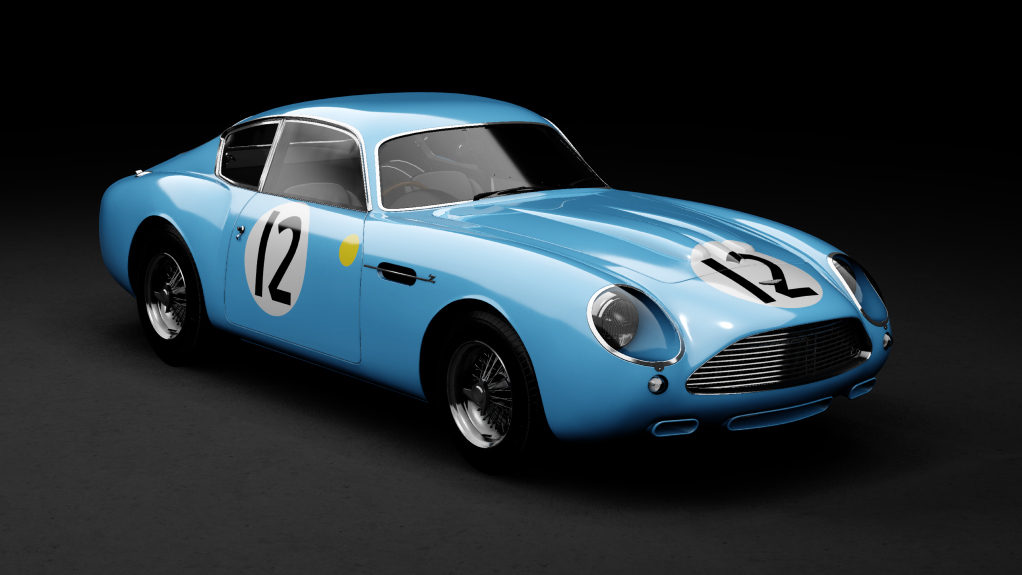
Castle Combe belonged on the day to the Lotus Elans. David Czemmel won the first race, with Michael Kiefer second; Kiefer then won the second, Flashor's Sunbeam Tiger taking second. Czemmel's victory and fourth place, and Kiefer's second and win, were concise demonstrations of the Elan's closing strength. They completed the Lotus tally of five victories and put a final gloss on a season in which several cars could take the front when the circumstances suited.
The Championship conclusion was supplied, characteristically, by FMG. Third in both races, he closed with four consecutive third places and completed the season with nine podiums from 12 starts: three second places and six thirds. There were no victories in that account. There did not need to be. The Vixen/Simca driver finished first in the Championship on 340 points, and the one discarded event score was his 61-point Roy Hesketh result, leaving 401 raw points before the drop.
Rimzil Galimzyanov was second, his Porsche 904/4 GTS campaign ending on 277 points, 63 behind the champion. Fisch took third on 270, seven behind Rimzil Galimzyanov, with the Tiger and Abarth Simca both appearing in his season. Qkk's unshowy sequence of fourth to seventh-place classifications over eight starts brought fourth place in the Championship on 235 points, ahead of Willphaizer. It was an order that rewarded continuity as much as isolated success.
Thus the Casual Cup reached an appropriately old-fashioned conclusion. The early victors had been plentiful: donutsnail, Böing, Zaza, Roberts, Berger, LeFredge, Willphaizer, Olivé, Czemmel and Kiefer all had their day. Yet the Championship belonged to the driver who made the podium his habitual address. FMG's Abarth Simca did not need to lead a race at the flag to define the season. It simply kept returning to the front when the points were being gathered, and in the end that was the more durable form of speed.
FMG and Vixen/Simca took the GTC60 Championship through patience rather than conquest: 340 points, nine podiums, and a margin that finally made the early uncertainty seem a long way behind.