FMG Takes the Rennsport Trophy by Three Points
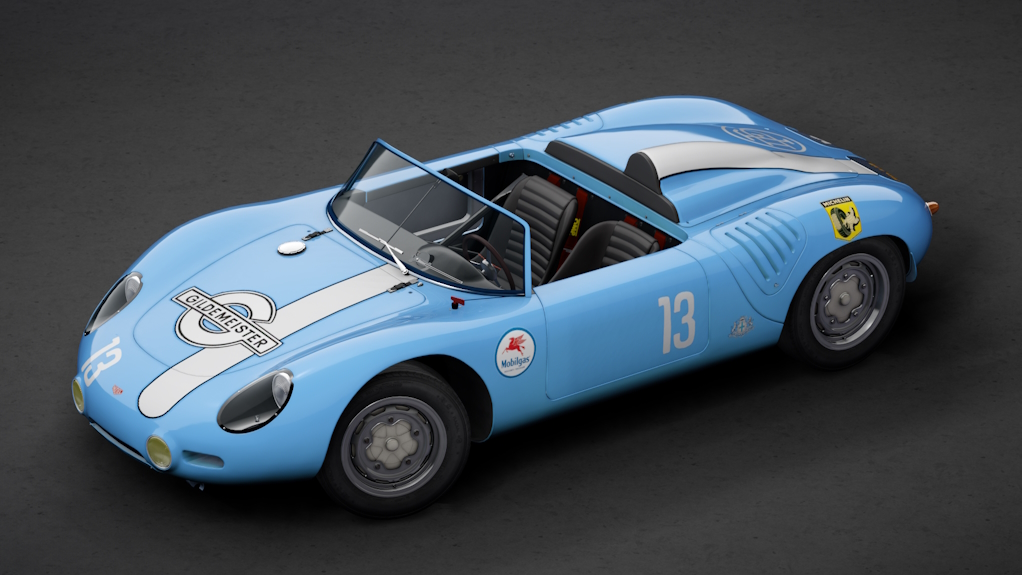
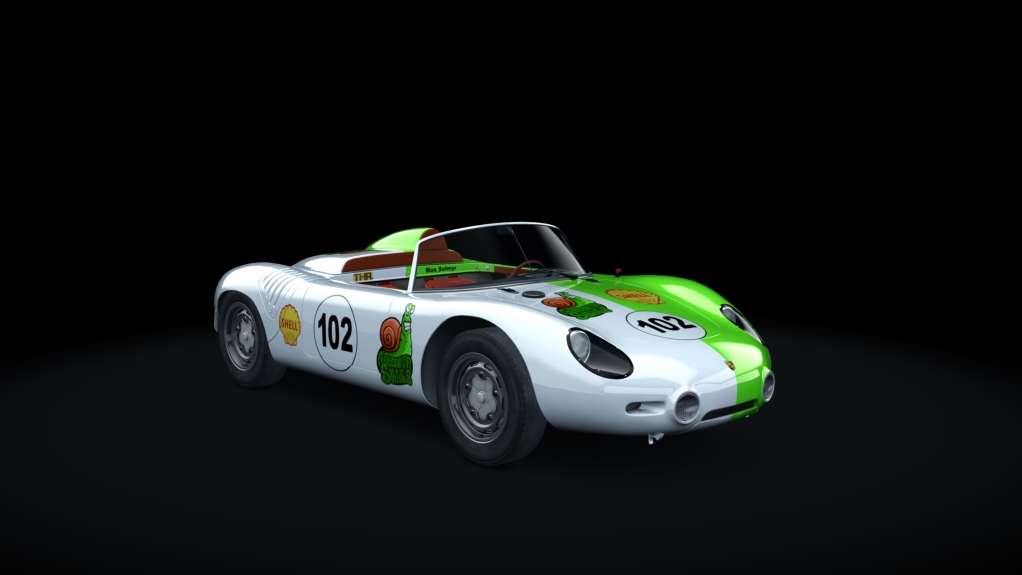
The 718 Rennsport Trophy was decided not by an accumulation of victories but by the quieter authority of repeated high placings. FMG, with one win and four podiums from five starts, held off Valentin Knechtel's two victories by three points, while Jaroslav Cerny completed a notably close final three in the Porsche 718 RS 60 Spyder.
A Championship of margins
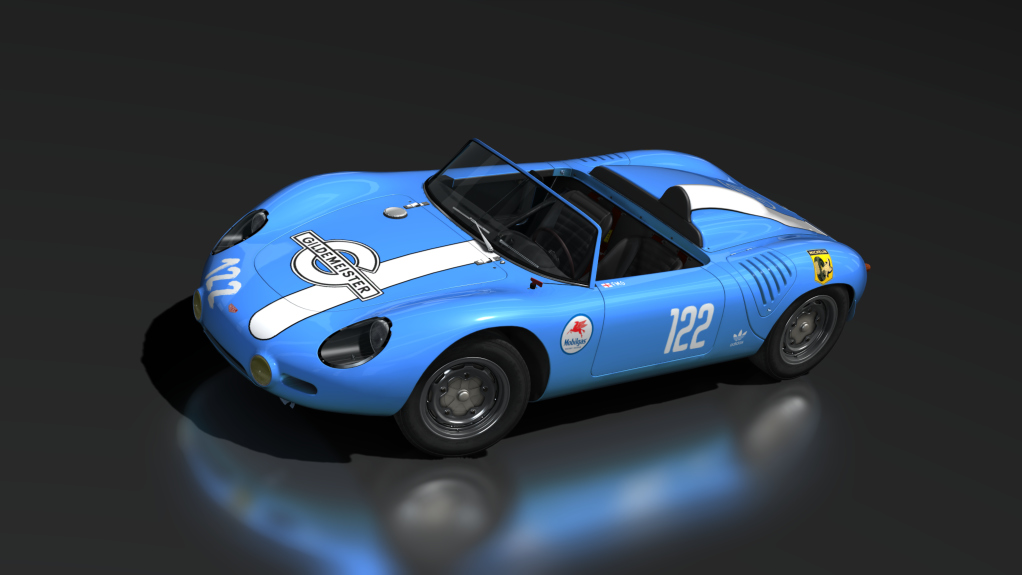
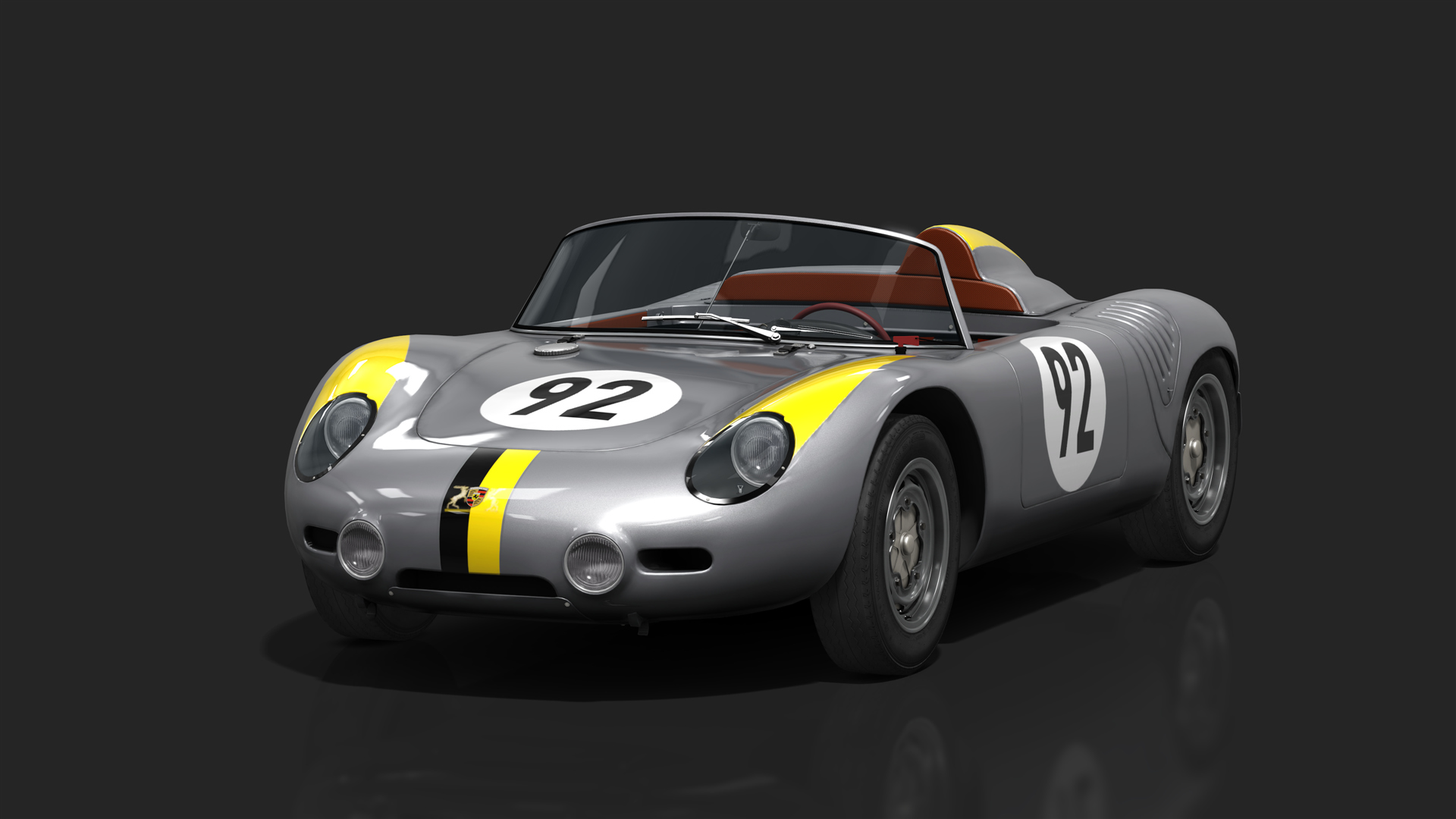
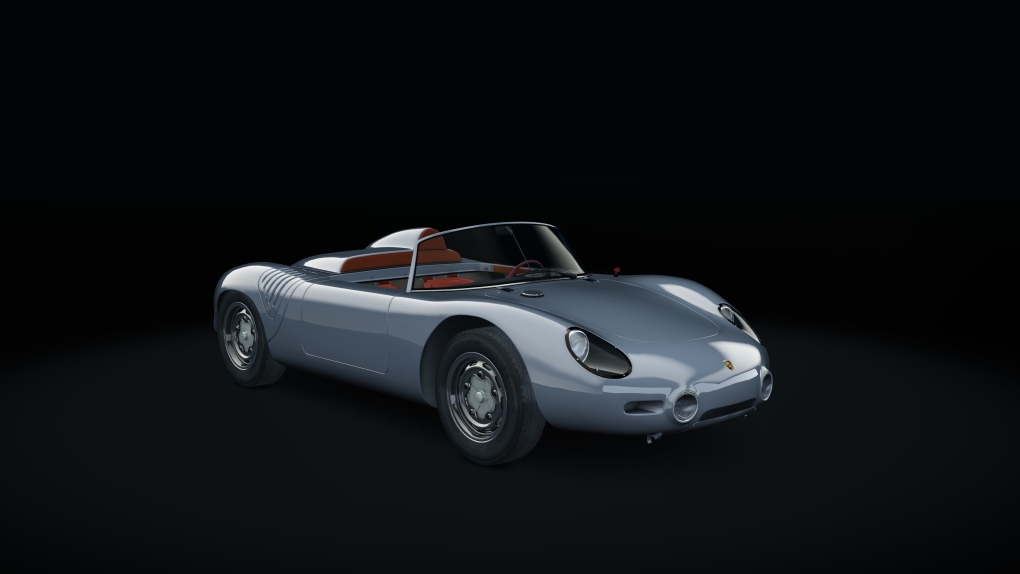
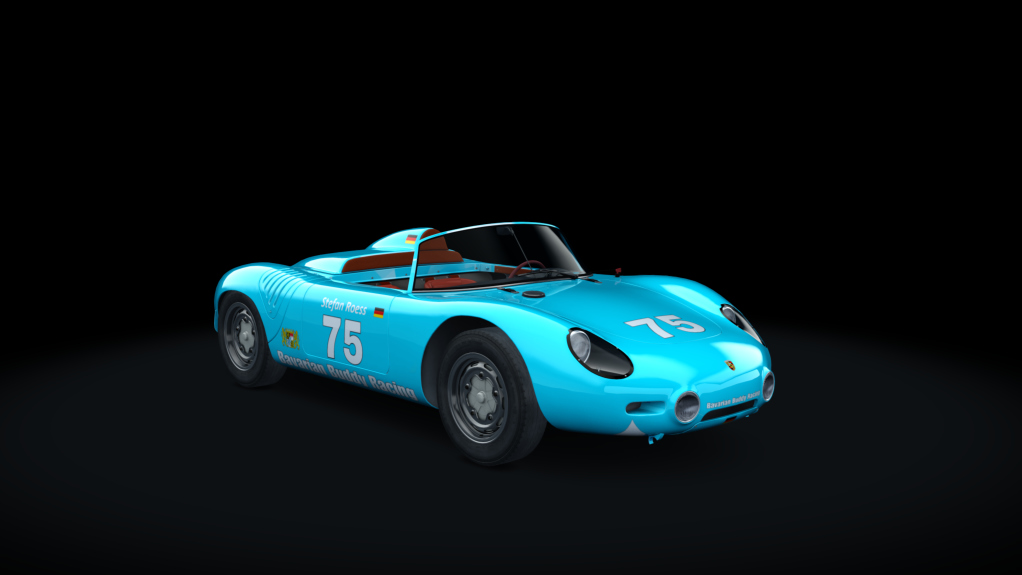
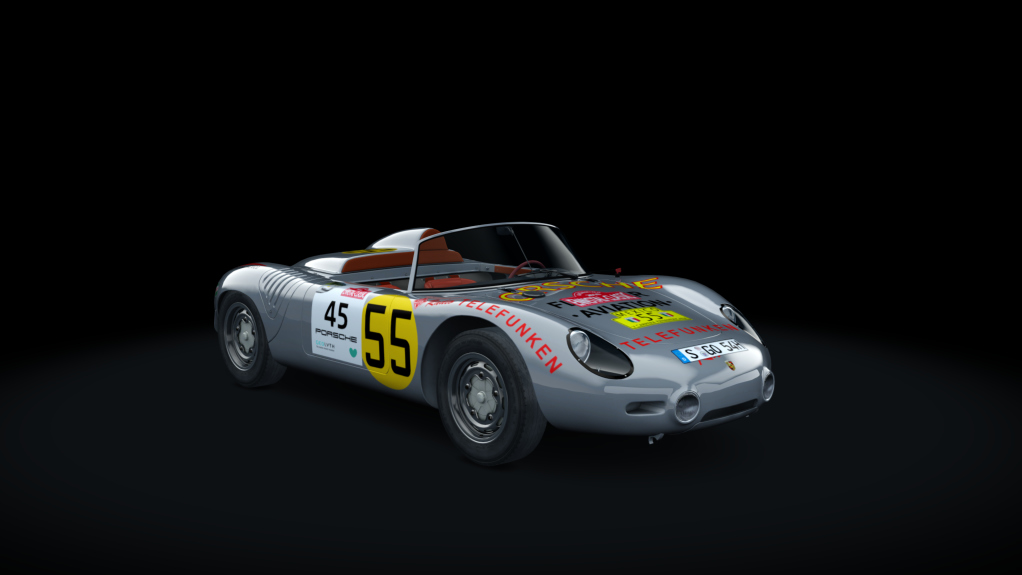
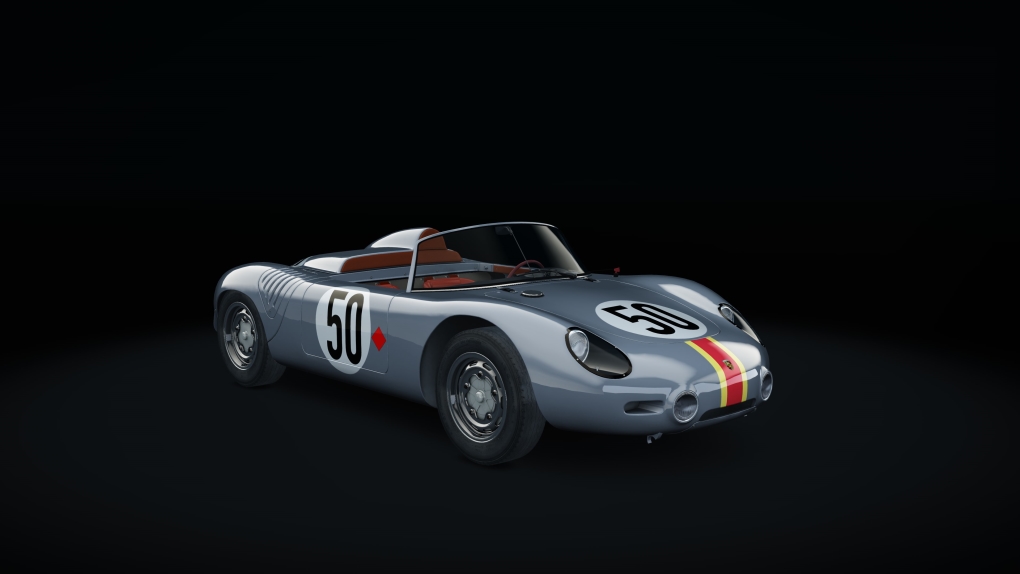
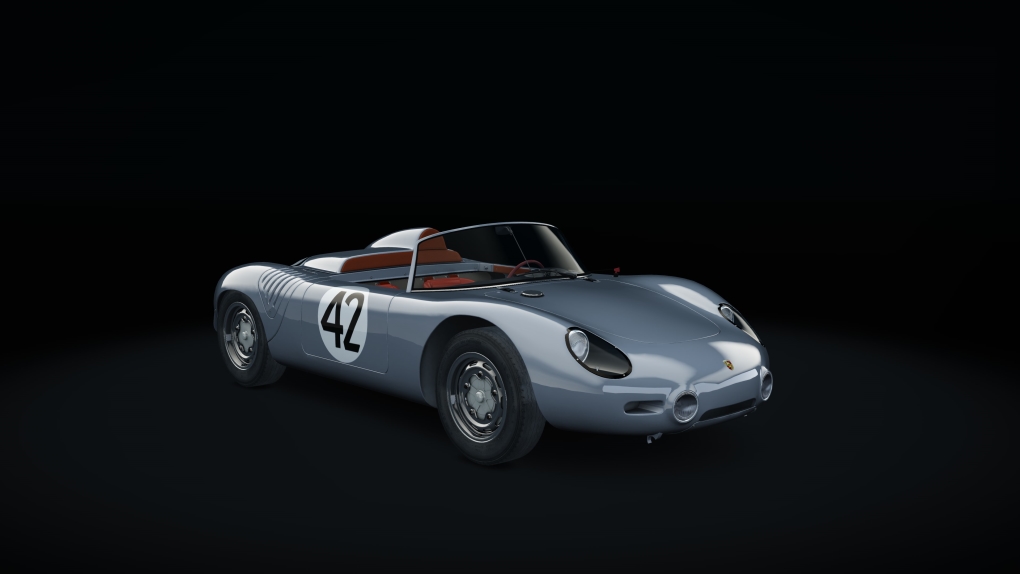
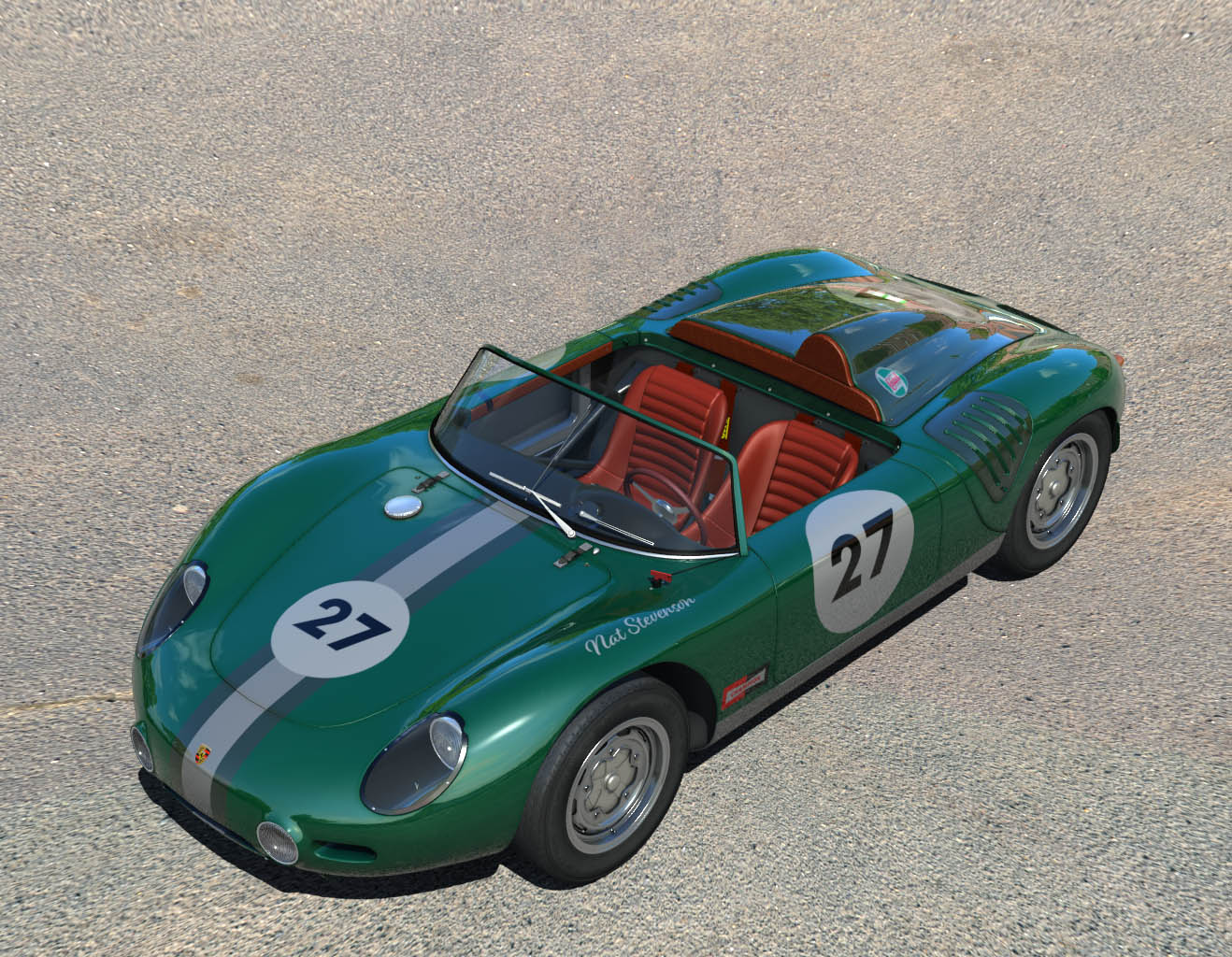
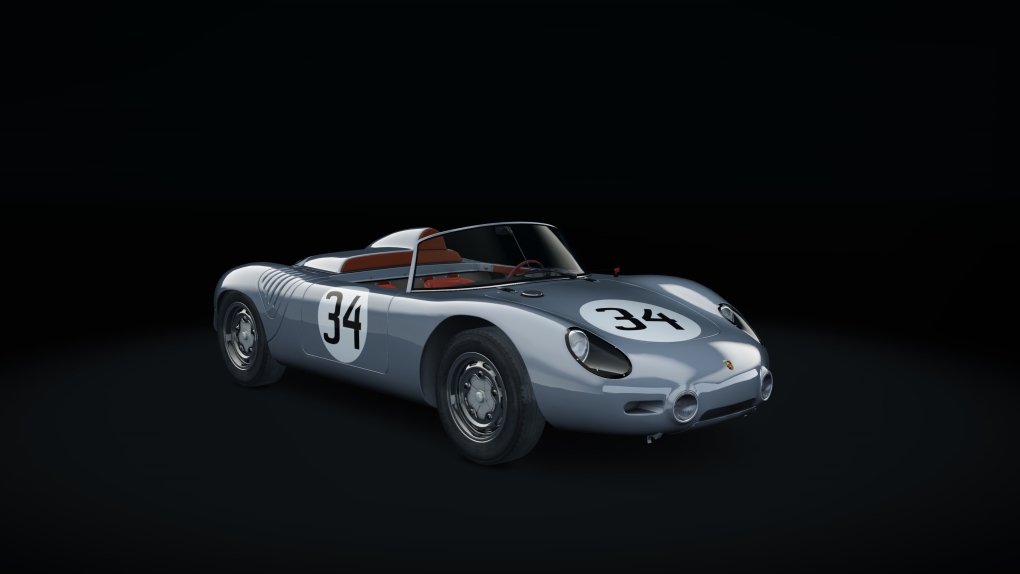
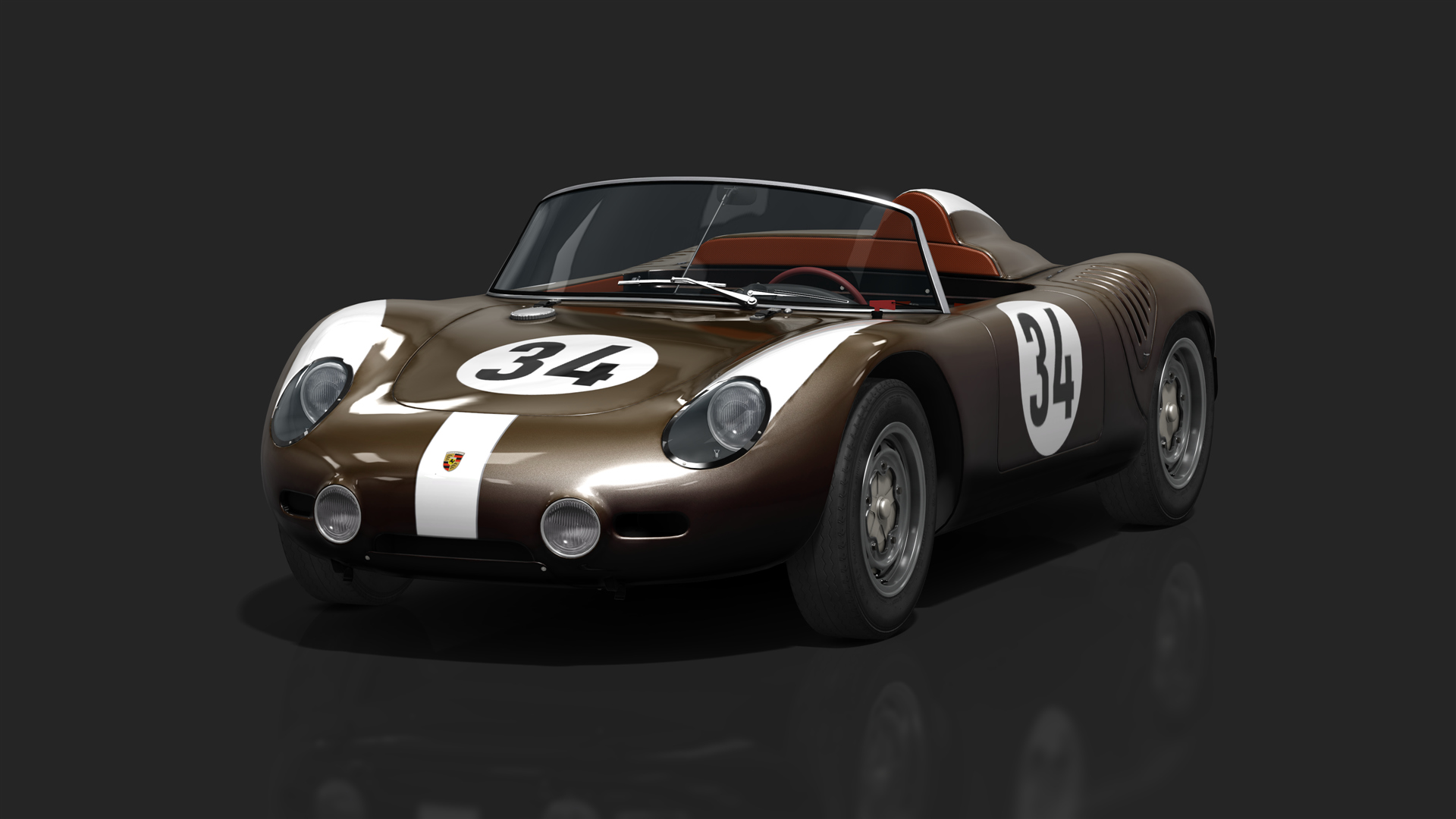
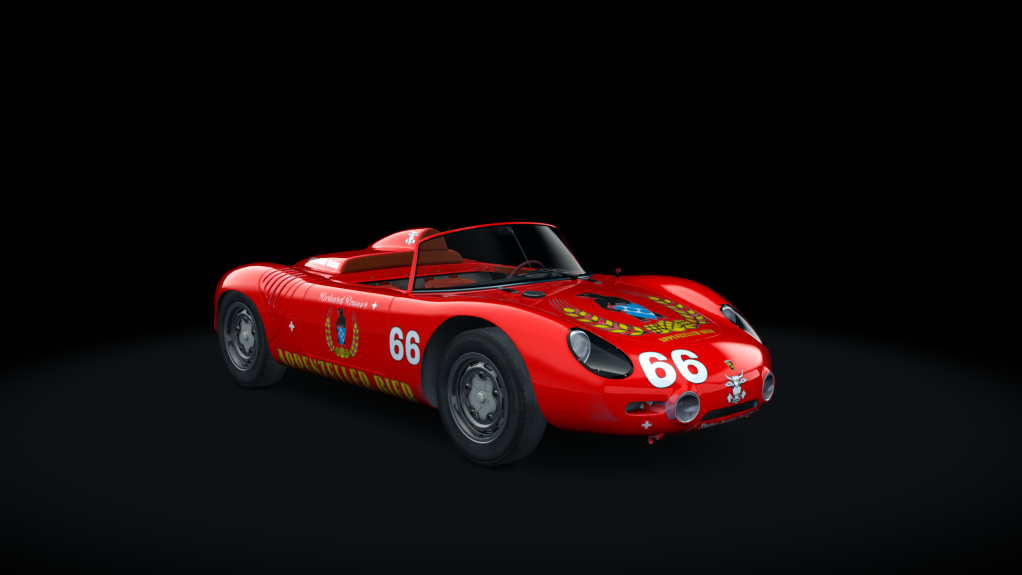
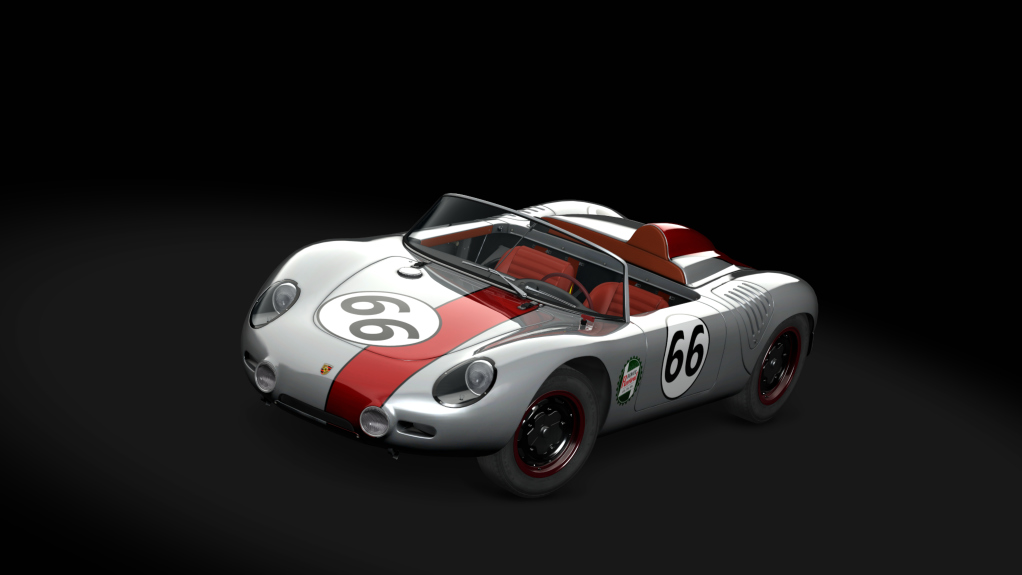
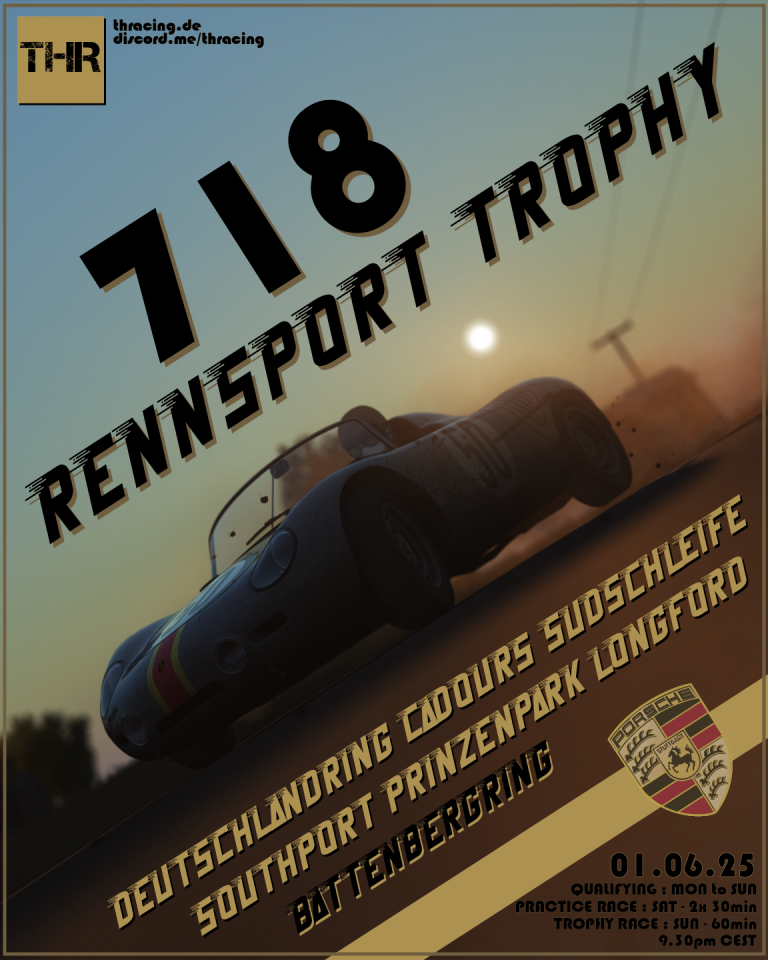
There was a certain fitting economy to the 718 Rennsport Trophy. Five rounds, one car, and a points rule under which each driver discarded one result: sufficient variety in the circuits to expose different qualities, but little room in which to repair a poor afternoon. The Porsche 718 RS 60 Spyder supplied every race winner and all 15 podium appearances, so the distinction lay wholly in the drivers' ability to make use of a common machine.
The final table reflected the narrowness of the affair. FMG took the title for THR/Nudel on 148 points, Valentin Knechtel of SG Stern was second on 145, and Jaroslav Cerny of SHM third on 140. Florian Masse, FMG's THR/Nudel colleague, was fourth on 131 points. The first three were separated by eight points, and there was no single driver who made the season entirely his own. Knechtel won twice, Cerny and Masse once each, and FMG only once; yet it was FMG who supplied the strongest continuous thread through the campaign.
An opening victory, then the rule takes hold
Knechtel began at Deutschlandring in exactly the fashion expected of a prospective champion, winning the opening race in his Porsche. FMG was second and SDH-M ~ HappyKojot third, each completing the full distance. Yet the standings immediately offered a warning against reading too much into the order at the flag. With one result to discard, the first round was initially removed from every driver's counted score; Knechtel and FMG therefore stood jointly first in the Championship on zero points.
Cadours-Laréole gave the season its first proper definition. FMG won, with Adam Celárek second and Masse third, while Knechtel was classified 12th after completing 30 of the 33 laps. The dropped-score provision meant that Knechtel's 23-point Cadours result, rather than his Deutschlandring win, was then the result excluded from his tally. FMG's Deutschlandring second place was the corresponding discarded score. Thus the two men were level at the head of the Championship on 40 points after two rounds, with Celárek third on 37, three points behind.
It was an early illustration of the season's essential character. Knechtel had the winning peak, but FMG had already established a safer rhythm: a second place followed by victory gave him two top-two finishes from two starts. Celárek's Cadours second place also announced a challenge based on steadiness rather than outright success.
The middle rounds broaden the contest
The Nürburgring round did not merely produce a new winner; it brought a third serious figure into view. Cerny won, Celárek took his second successive second place, and FMG was third. FMG's fastest lap was a small but pertinent indication that his speed had not deserted him, even when the race did not fall his way.
After Nürburgring, FMG led the Championship on 77 points. Celárek, now with two second places in three starts, was second on 74 and three points behind; Knechtel was third on 71, six behind the leader. Cerny's victory placed him on 69 counted points despite his absence from Cadours, the zero from that round being his current discarded score. His position in the leading arithmetic was less secure than his pace, but his victory ensured that the title contest was no longer a simple continuation of the Cadours tie.
Southport Gold Coast restored Knechtel's momentum. He won for the second time, FMG was second, and Cerny third. It was a particularly significant result because it compressed the front of the table without dislodging its leader. FMG remained first in the Championship on 114 points; Knechtel was second on 111, only three behind, while Cerny stood third on 103, 11 from the lead.
By then FMG had made the podium in each of the first four rounds: victory, two seconds and a third. His Nürburgring third place was, at that stage, the result discarded under the rule, while Knechtel continued to carry Cadours as his discarded score. The Championship was consequently poised in the odd but compelling manner that dropped-score formulae can produce: the leader's advantage was slender, but founded on a sequence more robust than any rival's.
Prinzenpark and the final reckoning
Prinzenpark Braunschweig brought an entirely different race order, but it did not disturb the eventual Champion. Masse won the final round, with Cerny second and Knechtel third, all three reaching the flag. Masse's victory gave a late flourish to a season that had begun with an eighth place, developed through third at Cadours and fifth at Nürburgring, and had been interrupted by his absence from Southport. That Southport zero remained his discarded result, so the final win lifted him to fourth in the Championship on 131 points.
Cerny's second place was equally valuable in the final shape of the table. It gave him one win, one second and one third from four starts - three podiums in all - and secured third in the Championship on 140 points. His missed Cadours appearance was the discarded round, leaving the Nürburgring victory, Southport third and Prinzenpark second to form the core of his score.
Knechtel's third place at Prinzenpark gave him three podiums for the completed season: two wins and a third. It was a strong reply to the difficult Cadours result, which remained his discarded score, and it carried him to 145 points. But FMG's title had been built before the final afternoon. Classified seventh after completing 20 of the 31 laps at Prinzenpark, FMG had no points to count from that round; it became his final discarded result. His earlier second, win, third and second were sufficient to preserve 148 points and the Championship by three.
There was an irony in the comparison. Knechtel had twice stood on the top step where FMG did so once. Yet FMG's record of one victory, two second places and one third - four podiums from five starts - yielded the more complete Championship case. The decisive quality was not a final-round recovery, but the fact that the loss at Prinzenpark could be discarded without exposing a weakness in the four results that preceded it.
The supporting performances
Celárek's campaign deserves recognition for the strength of its middle phase. After a seventh place at Deutschlandring, he was second at both Cadours and Nürburgring, and stood second in the Championship after the third round, only three points behind FMG. Those two second places remained his only podium results, but they carried him to fifth in the final standings on 102 points. His absence from Southport was the discarded score, and the later rounds prevented the earlier promise from becoming a sustained challenge.
Masse's final victory was the outstanding late intervention, and THR/Nudel consequently had both the Champion and the fourth-placed driver. Their combined efforts brought the team Championship to THR/Nudel on 279 points, ahead of SHM on 169 and SG Stern on 158. Elsewhere, Max Solmyr's final-round classification of fourth after completing the full 31 laps was enough to raise him to sixth in the Championship on 58 points, ahead of Stefan Roess on 56.
But the season will principally be remembered for its front three: FMG's measured accumulation, Knechtel's two victories and determined recovery from Cadours, and Cerny's late ascent through victory and two further podiums. In a series of identical Porsches, the margin was small, the arithmetic sometimes deceptive, and the final verdict suitably exact.
FMG's 148 points were not the product of the greatest number of wins, but of the season's soundest four-race score. In a Trophy settled by three points, that was distinction enough.