Porcu's Measure of Authority
The six-round F1 - 1979 Championship was decided not by a late scramble for a fortunate score, but by the persistent authority of Simone Porcu. Florian Masse kept the matter honest through a season of remarkable podium regularity, while FMG rose from an unpromising beginning to become a substantial third force. Yet Porcu's record - three victories and five top-two finishes from five starts - gave the title its clear and proper owner.
A championship made in appearances
This was a short season, and the dropped-score regulation gave it an unusual early shape. With each driver's poorest result omitted, the opening Monza figures counted for no Championship points at all. Simone Porcu won there ahead of Florian Masse and Eduardo Beninca, but the table could not begin to acquire its true outline until Long Beach.
That second meeting provided the first indication that the campaign would not be a mere procession. Jayden HW won at Long Beach, with Masse second, and the standings placed Porcu and Jayden together on 40 points, Masse third on 37. Porcu had not appeared at Long Beach, while Masse's pair of second places had nevertheless been moderated by the rule: at that stage his Monza score was his dropped result. It was a curious but legitimate opening condition. The important fact was that Masse had made himself present at both meetings, whereas Porcu had made one appearance and won it.
Jayden's contribution to the season was brief but striking. He started only twice, won twice, and therefore possessed the most impeccable race record of anyone in the field. But a championship is an accumulation of occasions, not simply a ledger of best days. His victories at Long Beach and Monaco became significant landmarks rather than a sustained title challenge. Porcu and Masse, by contrast, supplied the enduring argument of the year.
At Jarama Porcu returned and won again, FMG taking second and Masse third. This was the first real separation of the principals. Porcu led the Championship on 80 points, Masse was second on 74, and FMG third on 68. The six-point margin over Masse was modest, but the character of Porcu's season was already plain: whenever he was present, he was at the head of the order. His first two starts had produced two victories; Masse had answered with two second places and a third, a fine sequence but one without the decisive weight of a win.
Masse holds the line, FMG arrives
Masse's championship deserves better than to be regarded simply as the unsuccessful pursuit of Porcu. In the first four rounds he contested, he was never outside the first three: second at Monza and Long Beach, then third at Jarama and Hockenheim. After Hockenheim he had four podiums from four starts, two second places and two thirds. It was consistency of the sober, useful kind, and it kept TH Racing's principal driver in contact despite Porcu's greater rate of victory.
Hockenheim also brought the season's most conspicuous change of momentum. FMG, whose Monza classification had been 19th after only four laps and whose Long Beach result was fourth after 49 of 50 laps, had begun to assemble a case at Jarama. The second place there was followed by victory at Hockenheim, ahead of Porcu and Masse. With one win and one second place from the first four rounds, FMG had risen to a share of second in the Championship, on 108 points alongside Masse and nine behind Porcu's 117.
There was no need for melodrama in that Hockenheim result. Its significance lay in restoring a third contender to the leading group and proving that Porcu could be beaten when the occasion was properly taken. But Porcu's second place was equally revealing. Having returned with two wins, he responded to FMG's advance by keeping the points loss contained. The title leader had three top-two finishes from three starts at that point, and Masse's repeated thirds, though admirable, were beginning to leave him just beyond striking distance.
The supporting order contained its own quiet signs of quality. Richard Rossier improved from ninth at Monza and Long Beach to fourth at Jarama, and later maintained useful positions at Monaco and Watkins Glen. Eetu Karjunen's two fourth-place classifications at Hockenheim and Monaco were also among the more dependable performances in the upper midfield. At Monaco, Karjunen was classified fourth after completing 40 of the 41 laps. Neither driver disturbed the leaders' arithmetic, but both demonstrated that the championship's depth was not confined to its podium regulars.
Monaco and the altered balance
Monaco was, in championship terms, the pivotal interruption. Jayden HW returned to win his second race in two starts. Porcu took second, his fourth top-two finish in four appearances, and gilvil77 took third. For gilvil77 it was the first podium after a sequence of fourth, sixth and sixth, and it began a strong final movement which would carry him to second at Watkins Glen and fourth in the completed Championship.
For Masse, Monaco was the single marked break in an otherwise exceptionally composed season. He was classified ninth after completing 26 laps of the 41. Under the dropped-score rule it became his omitted result, so that the immediate damage to his counted score was contained; he remained second in the Championship on 142 points, 12 behind Porcu's 154. Yet the race changed the atmosphere of the contest. Porcu had again taken a top-two result, while Masse had lost the opportunity to convert his steady podium sequence into a direct answer.
FMG was classified eighth after 39 laps at Monaco, and consequently slipped to third in the Championship on 135 points, 19 behind Porcu and seven behind Masse. The Hockenheim advance had not been sustained. Thus the final round approached with the order still open in appearance, but with Porcu enjoying the more convincing position: he had been first or second at every meeting he had started, and no result of value stood to be surrendered to the dropped-score calculation. His absence from Long Beach was already the result omitted from his total.
It is worth observing how the regulation shaped the season without obscuring its real hierarchy. Masse's Monaco score was discarded in the final accounting, just as Porcu's Long Beach absence and FMG's Monza zero were omitted for those drivers. The rule softened each of those individual setbacks. It did not, however, manufacture Porcu's advantage. That was built from his performance in the races he contested.
The Glen resolves the matter
Watkins Glen brought the Championship to its natural conclusion. Porcu won, gilvil77 was second and Masse third. All three completed the full 39 laps. FMG was classified fourth after 39 laps, while Rossier was classified fifth after 38. The shape of the final points table was thereby settled with more clarity than the compressed season might have promised.
Porcu became champion for Prc Racing team with 194 points. His five starts yielded three first places and two second places: five top-two finishes, and five podiums. It is difficult to devise a more concise statement of a champion's claim. He did not merely have the largest number of victories; he never placed below second in the races he started. The long gap between Monza and Jarama, and the missing Long Beach round, denied him any illusion of an uninterrupted campaign. His response was to make every appearance count.
Masse took second for TH Racing on 176 points, 18 behind the champion. His five podiums equalled Porcu's total, consisting of two second places and three thirds. That record establishes the distinction between the two men with some precision. Masse was the season's constant presence, starting all six rounds and accumulating points with impressive regularity. Porcu possessed the sharper edge at the front. Masse's fifth podium at Watkins Glen was a dignified final answer, but Porcu's third victory placed the title beyond dispute.
FMG completed the top three for Vixen Racing Cars Ltd on 166 points, ten behind Masse. The recovery from that early Monza classification to second at Jarama and victory at Hockenheim was one of the season's more substantial narratives. Two top-two finishes in all did not match the frequency of Porcu or Masse, but they established FMG as a genuine force through the middle of the campaign. Gilvil77, fourth on 160 points, deserved mention for the late Monaco-Watkins Glen podium sequence, which drew him close to the final top three without quite carrying him into it.
The team contest and the final judgement
TH Racing won the team Championship with 317 points, their total formed by Masse's 176 and pitman's 141. It was a reward for breadth as much as for the strength of Masse's season. Pitman did not take a podium, but five classified results from five starts, including fifth at Monza and sixth places at Hockenheim and Watkins Glen, supplied the useful underpinning that a team table demands. Vixen Racing Cars Ltd were second on 166, while Prc Racing team were third on 154 in the official team classification.
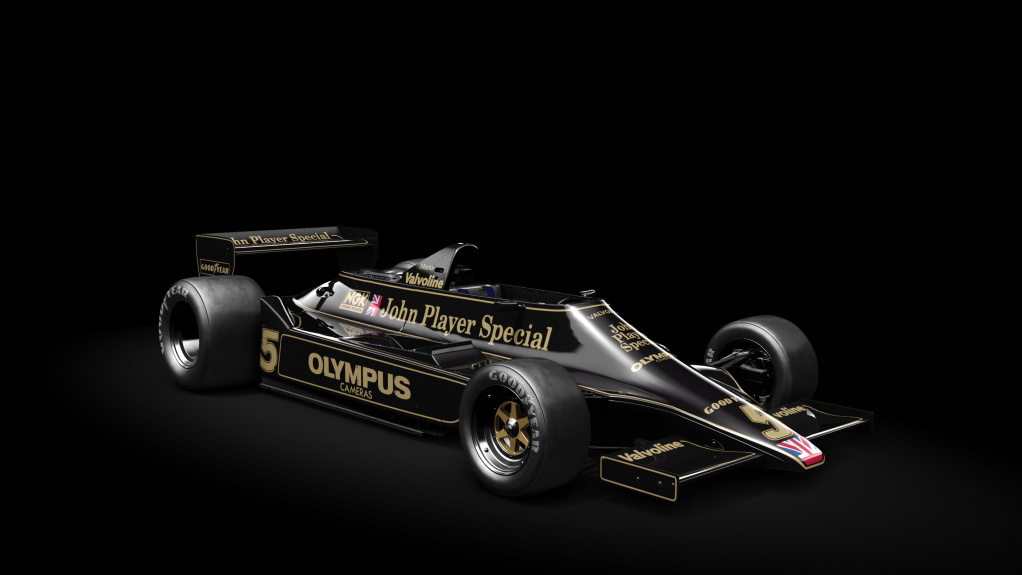
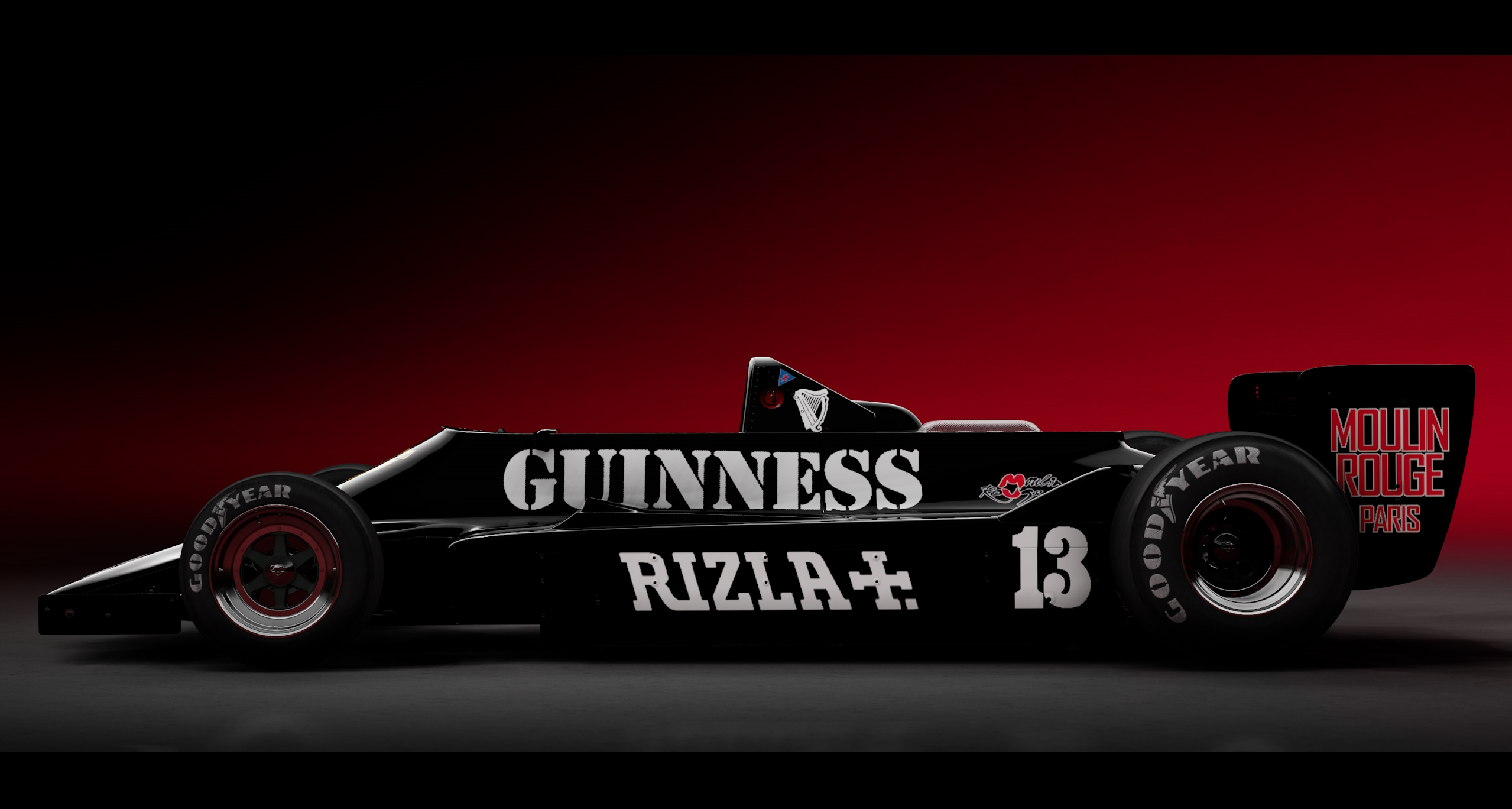
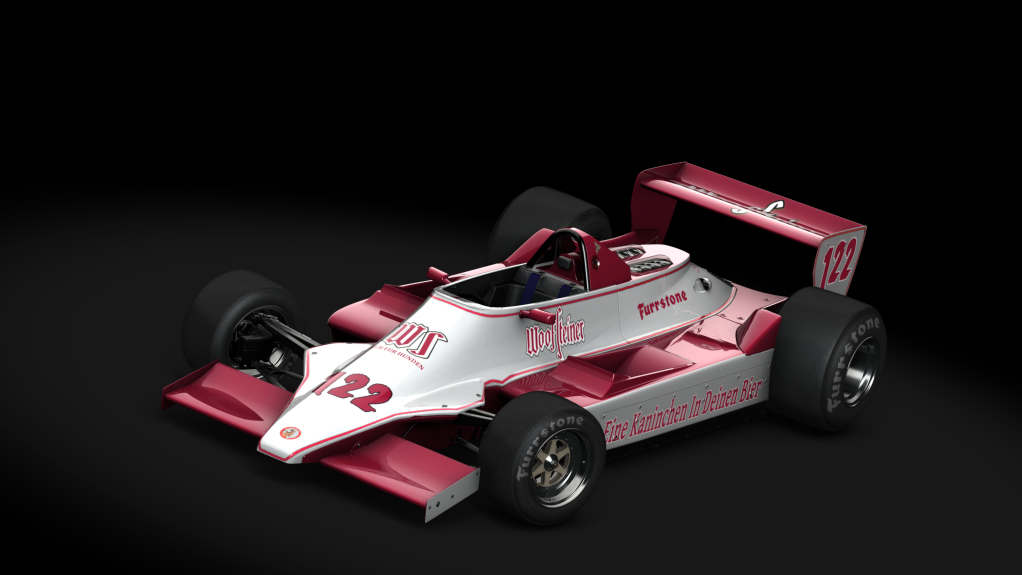
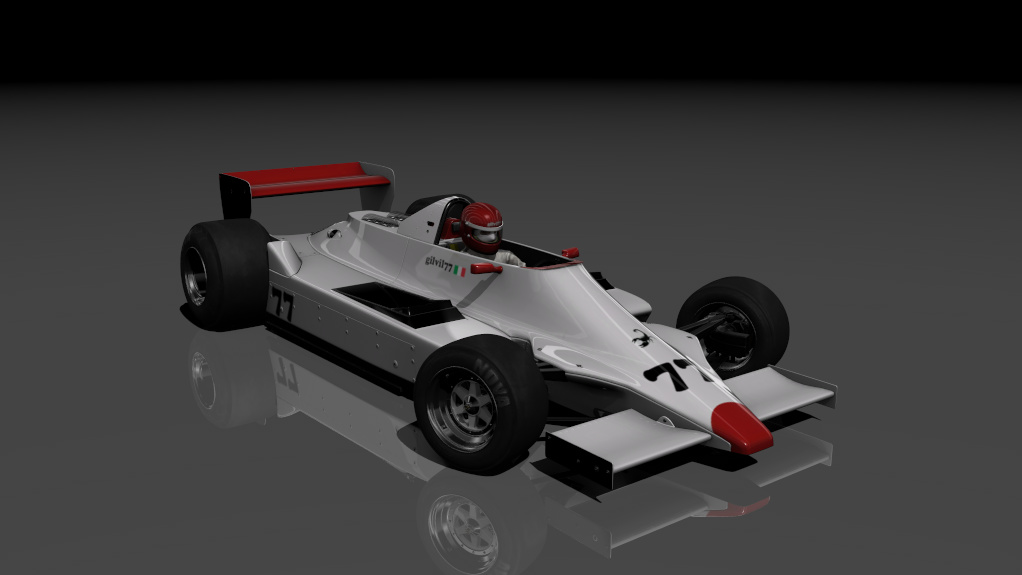
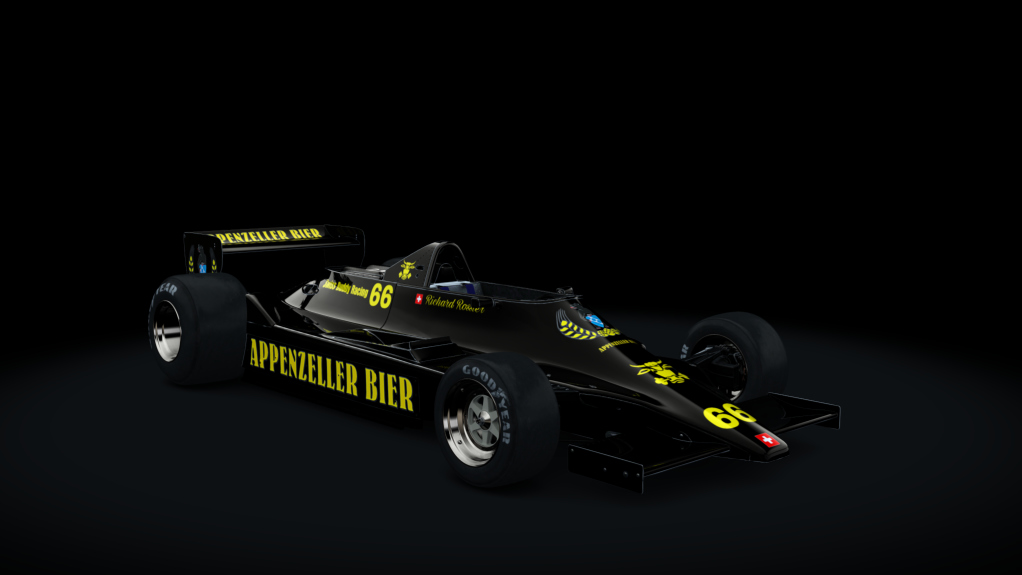
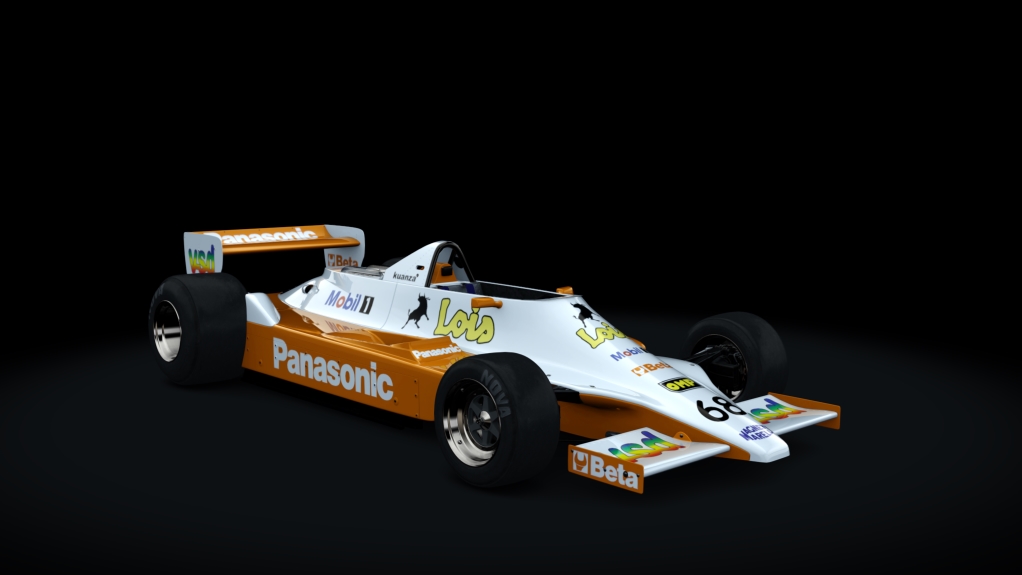
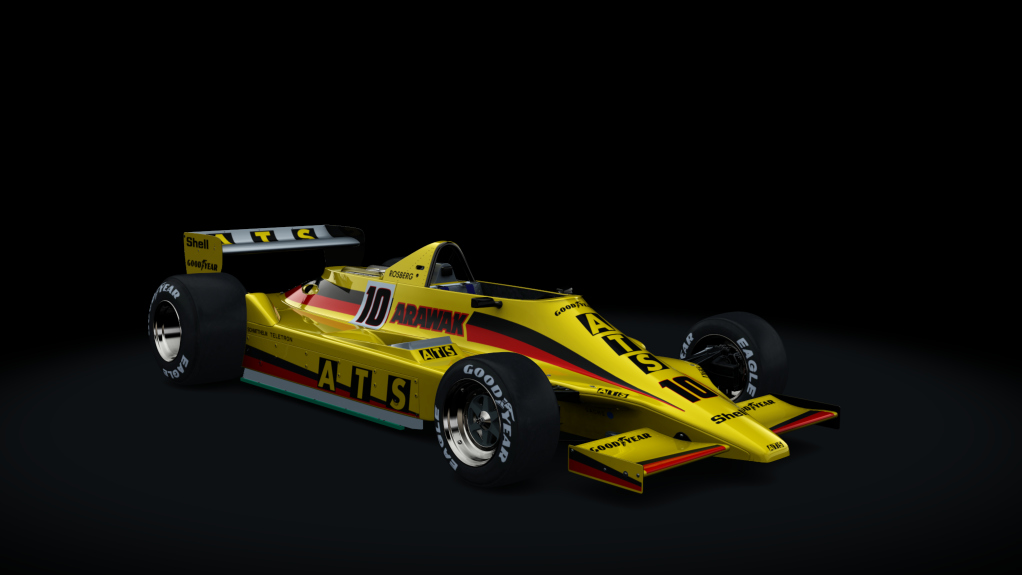
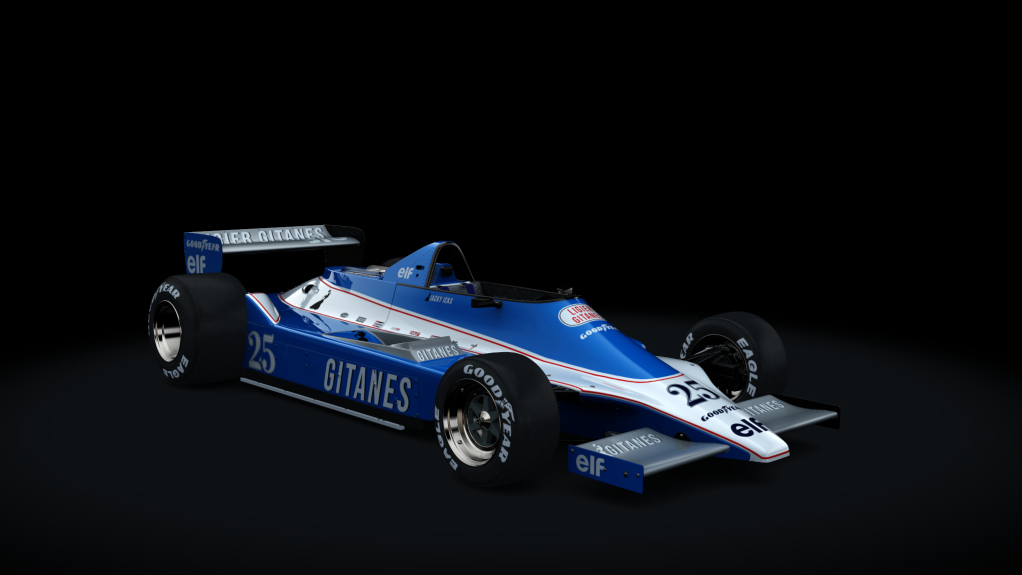
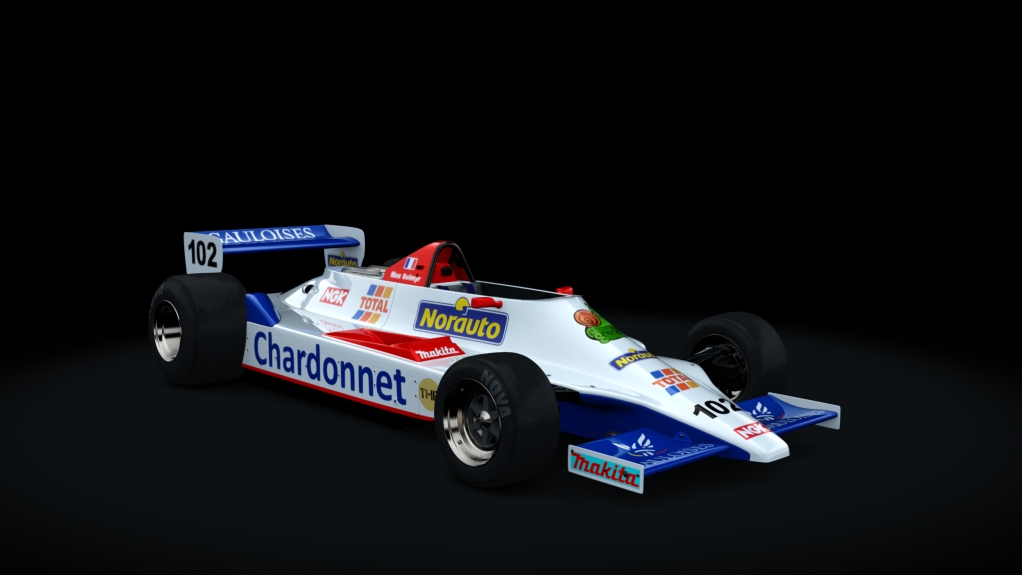
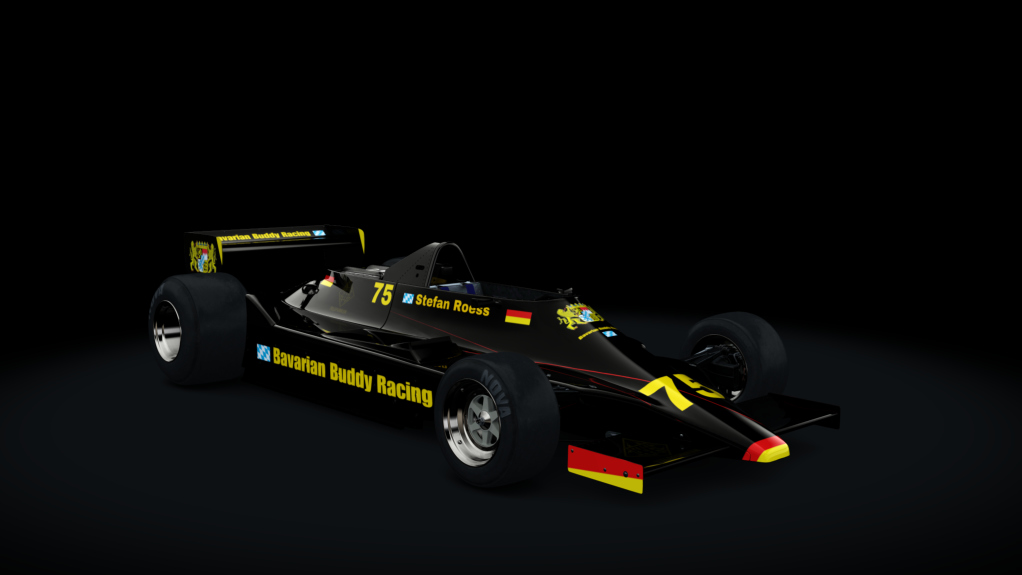
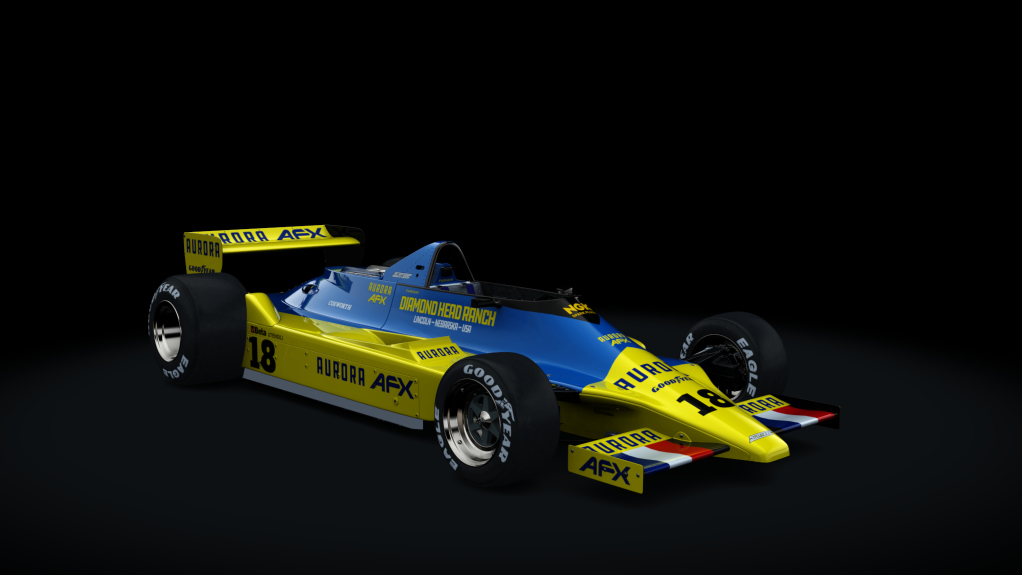
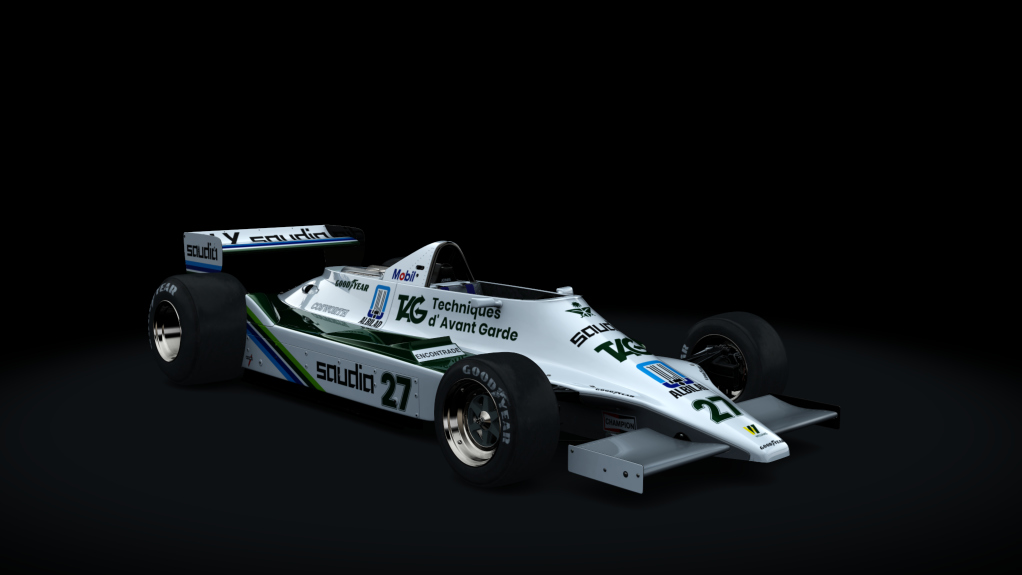
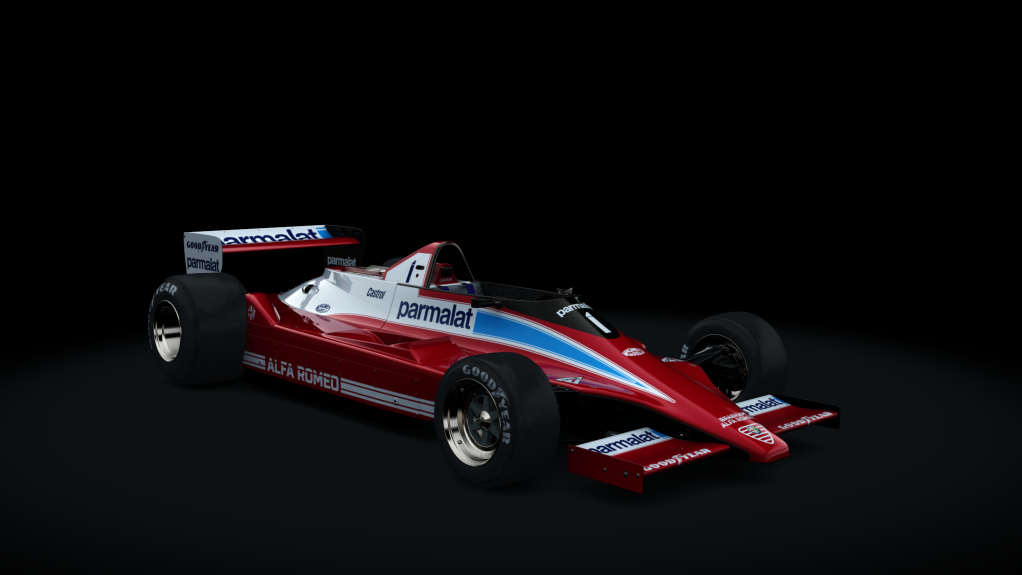
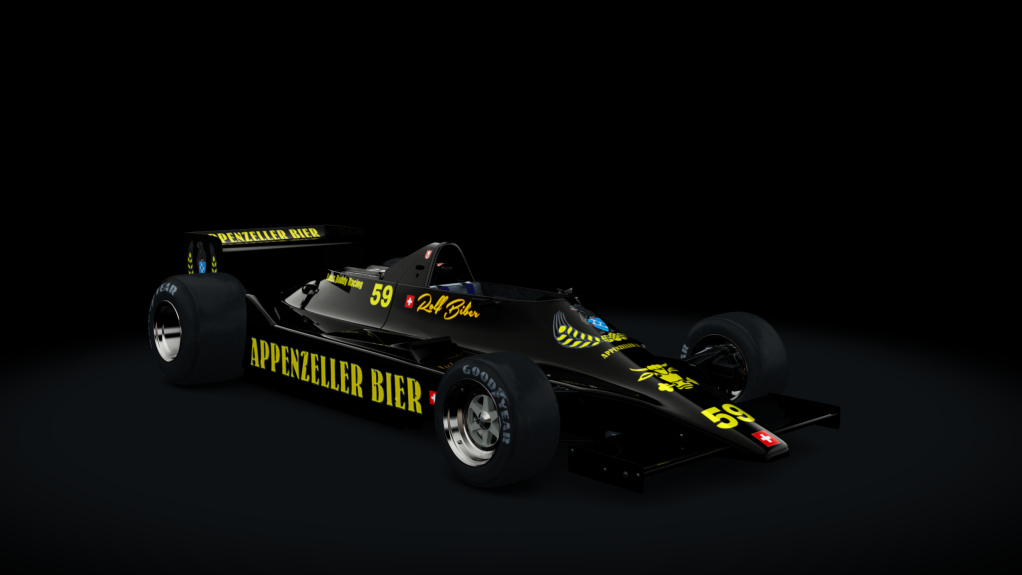
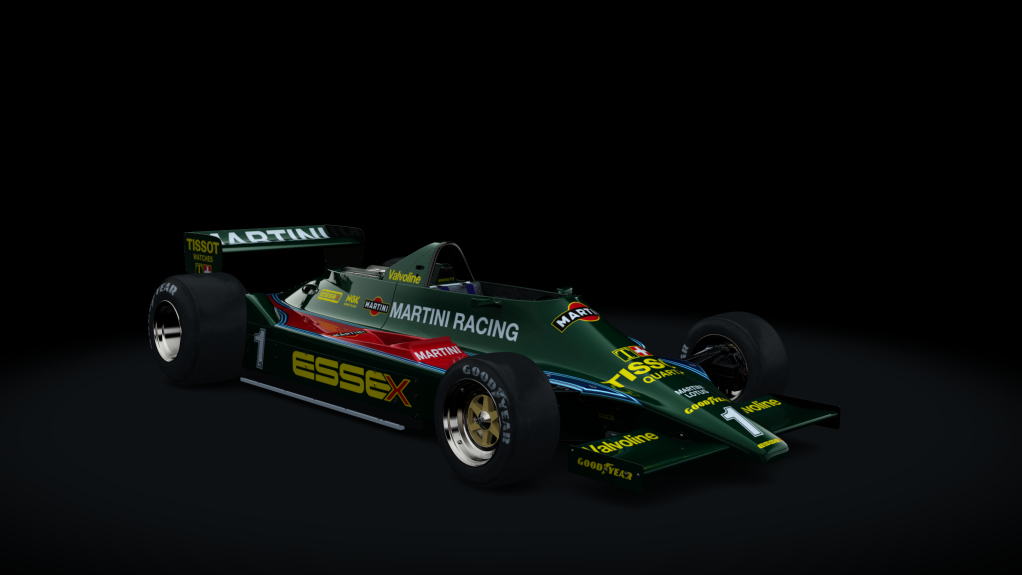
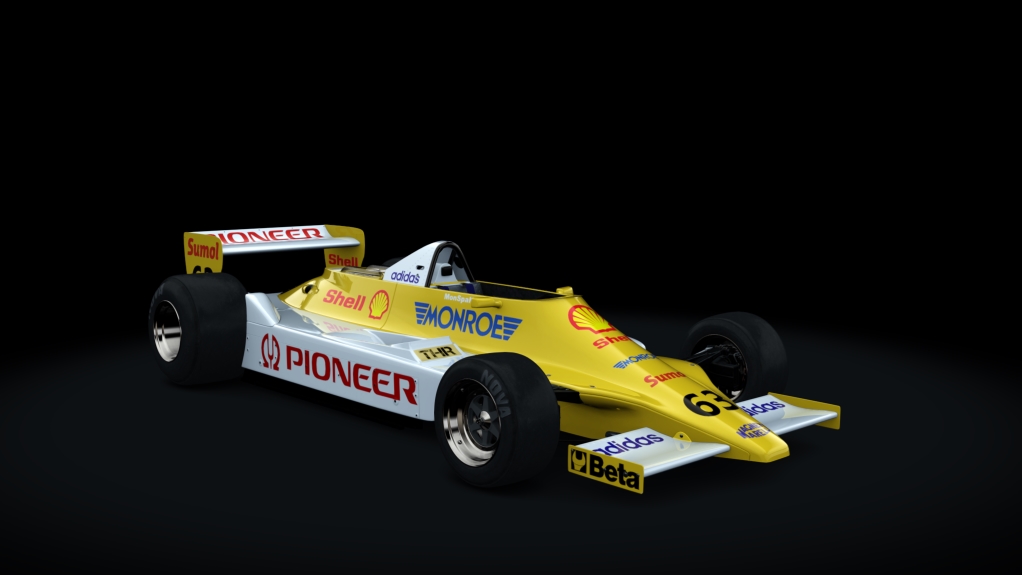
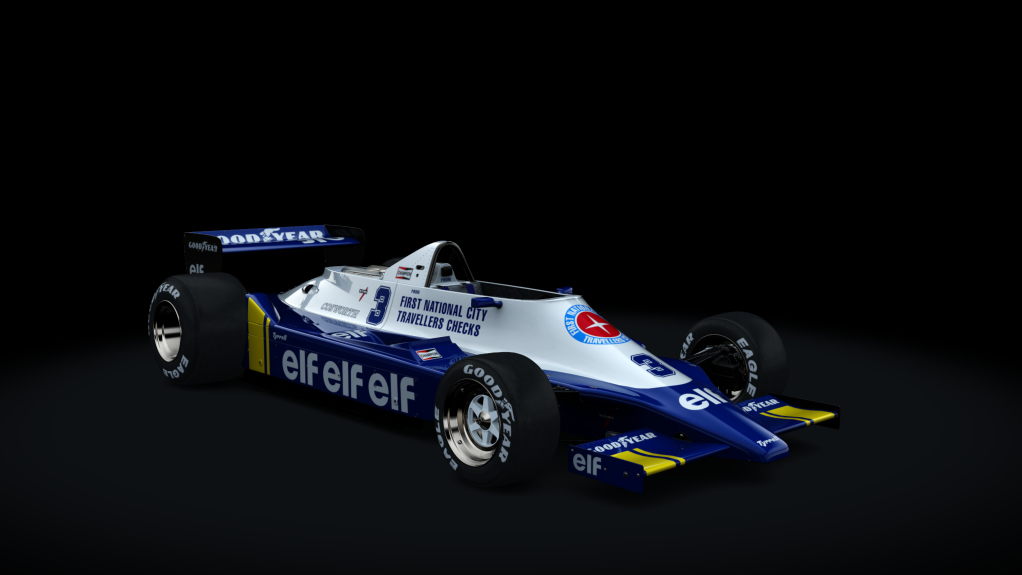
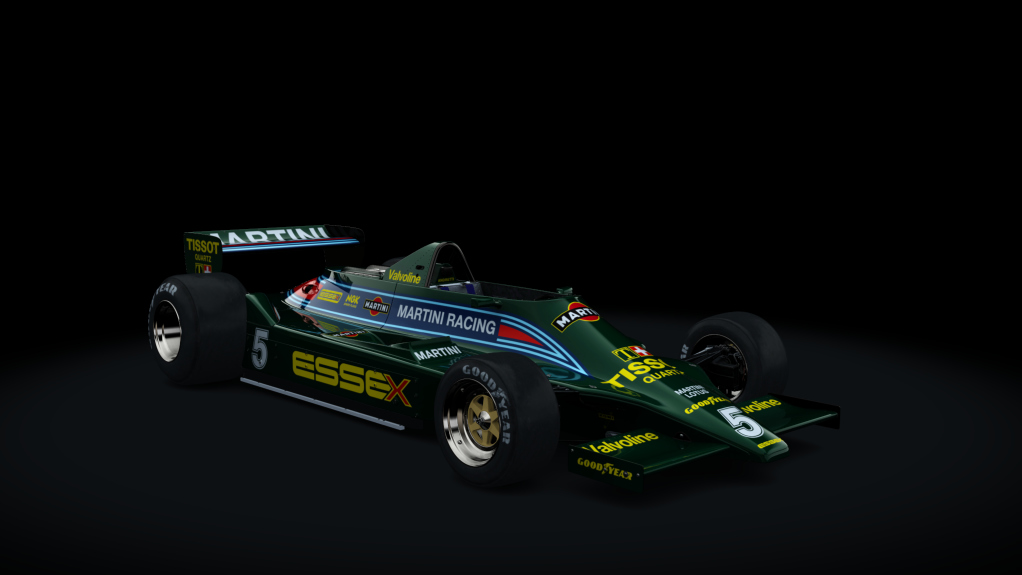
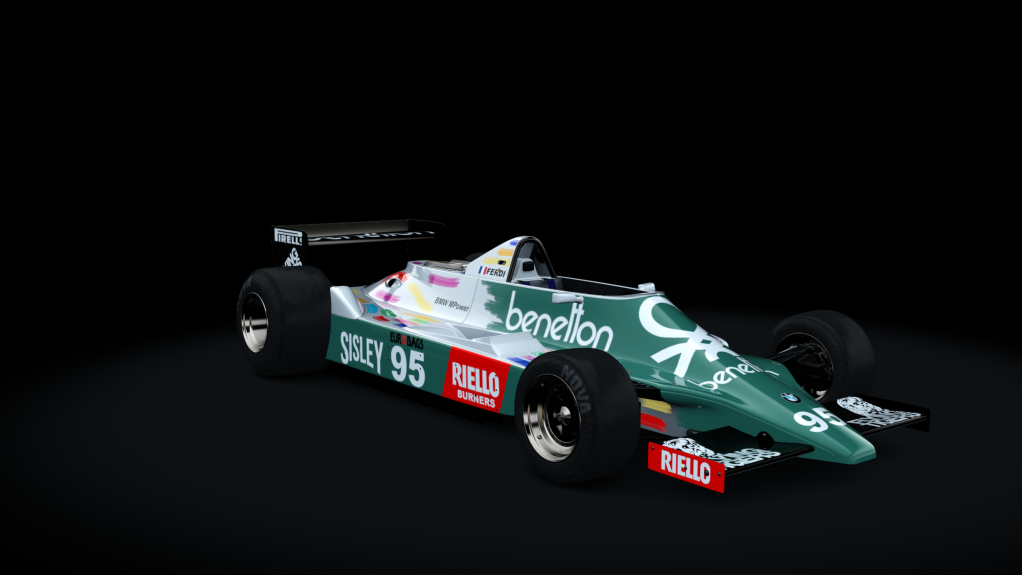
All six races were won by the Formula RSS 1979 V8, which also filled every one of the season's 18 podium places. The common machinery accordingly placed emphasis upon the drivers' ability to seize the important meetings and to preserve their position when victory was unavailable. In this company Porcu was the defining figure.
There were sharper individual victories elsewhere: Jayden HW's two wins from two starts have their own distinction, and FMG's Hockenheim breakthrough briefly redrew the leading group. But the Championship belongs to the driver who gave no quarter whenever he appeared. Porcu's season had the essential quality of a proper title campaign - economy, authority and an unfailing habit of being first or second when the points mattered.
The final order - Porcu from Masse and FMG - was not merely a numerical result. It described the season faithfully: the champion's winning certainty, the runner-up's durable consistency, and the third man's mid-season ascent. Over six rounds, that was enough to give the 1979 Championship a firm and satisfying shape.