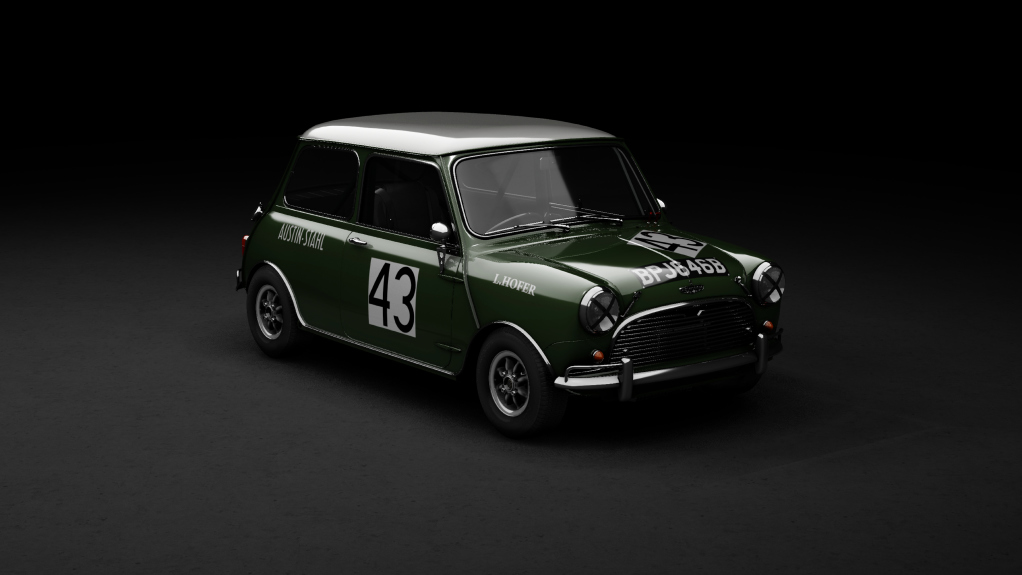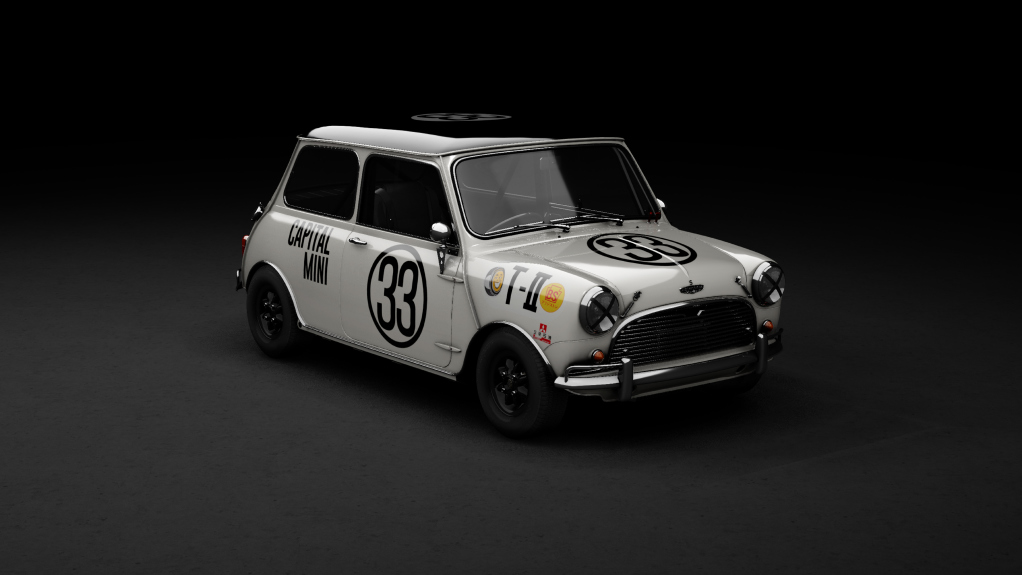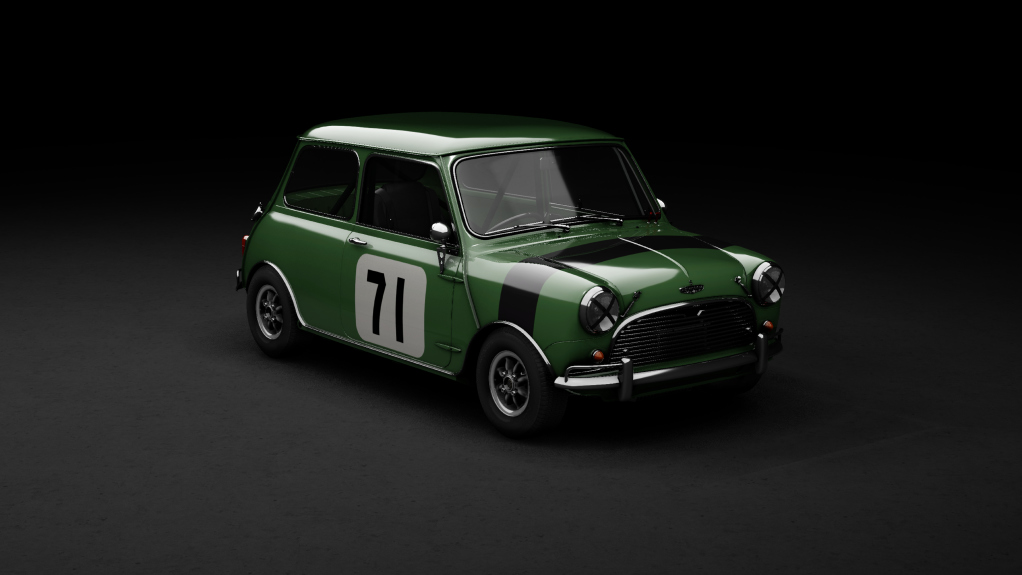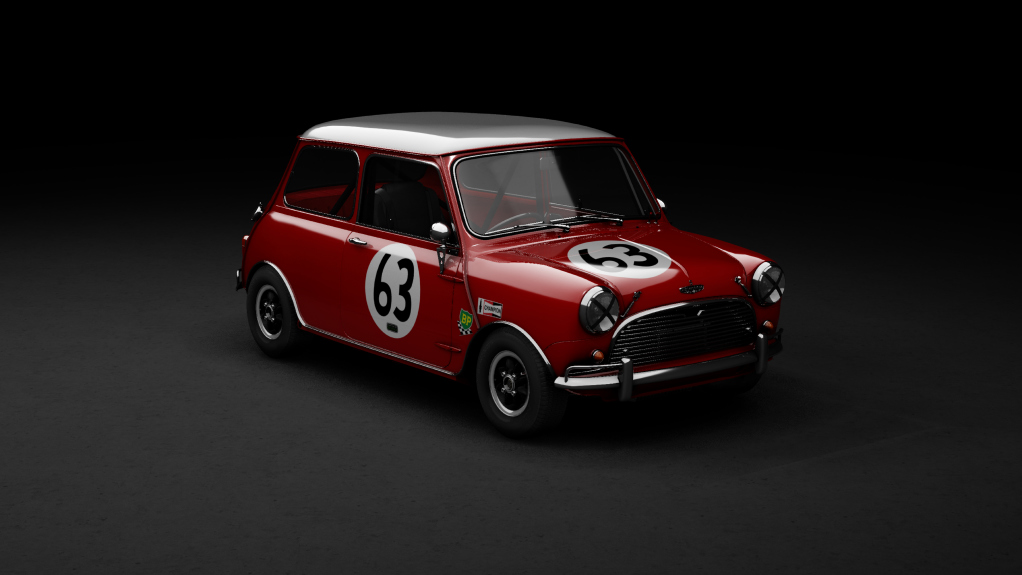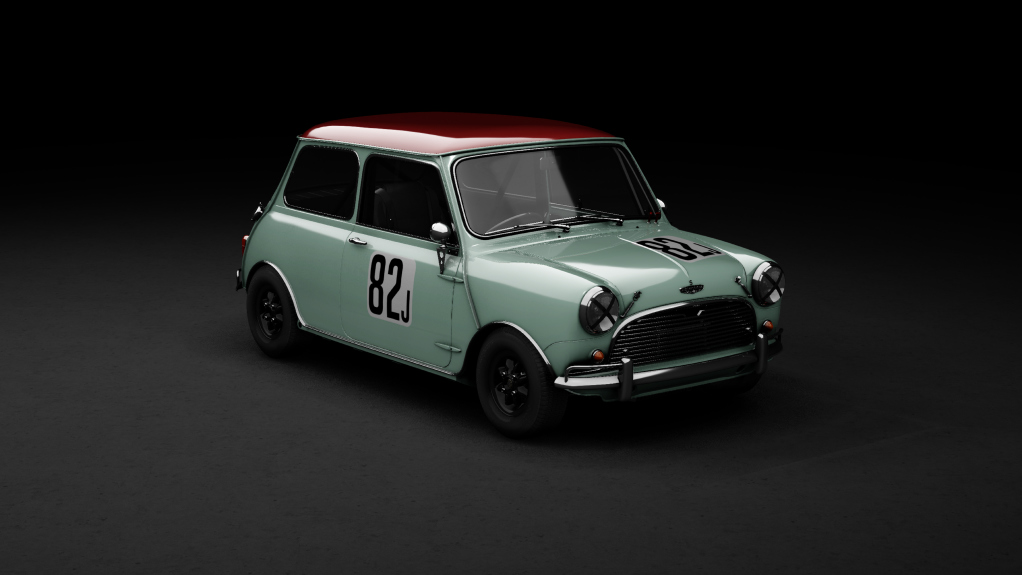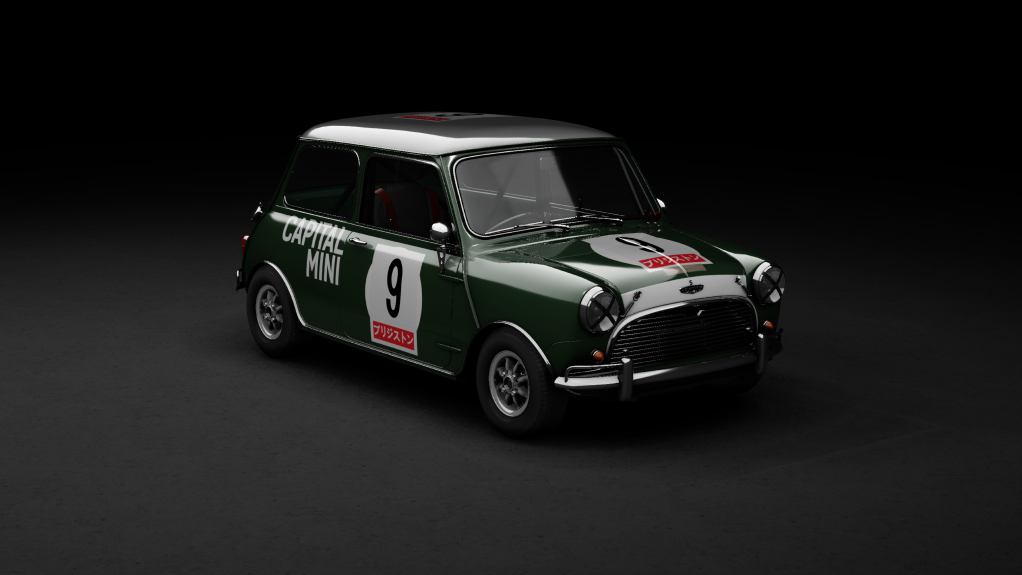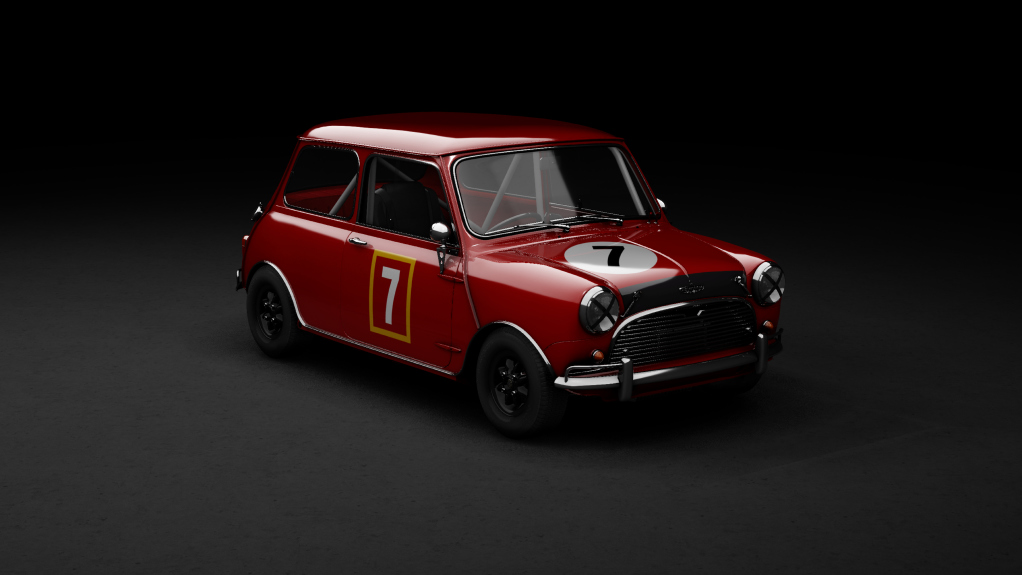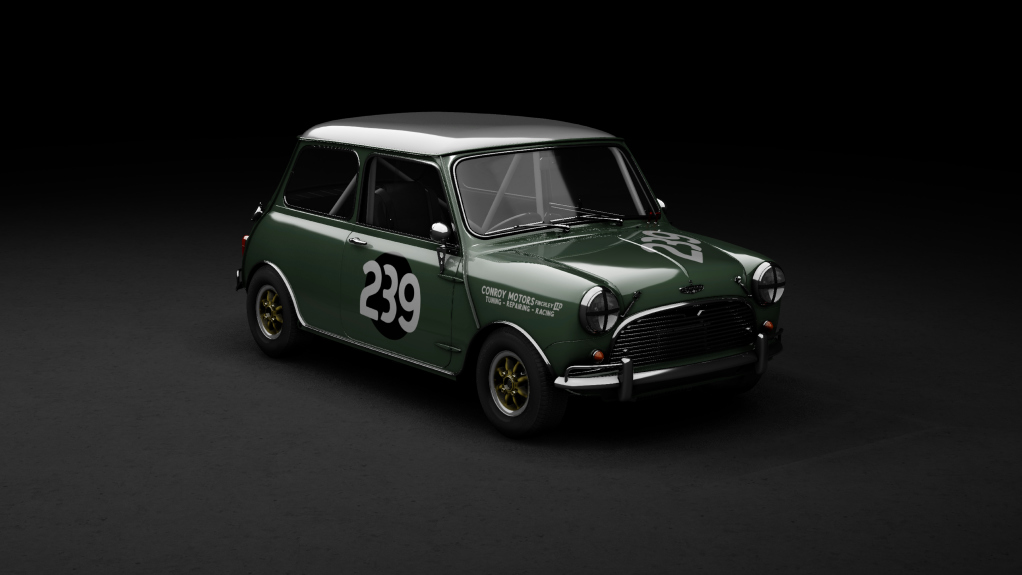
Czemmel's Measure: Mini Cup 2026
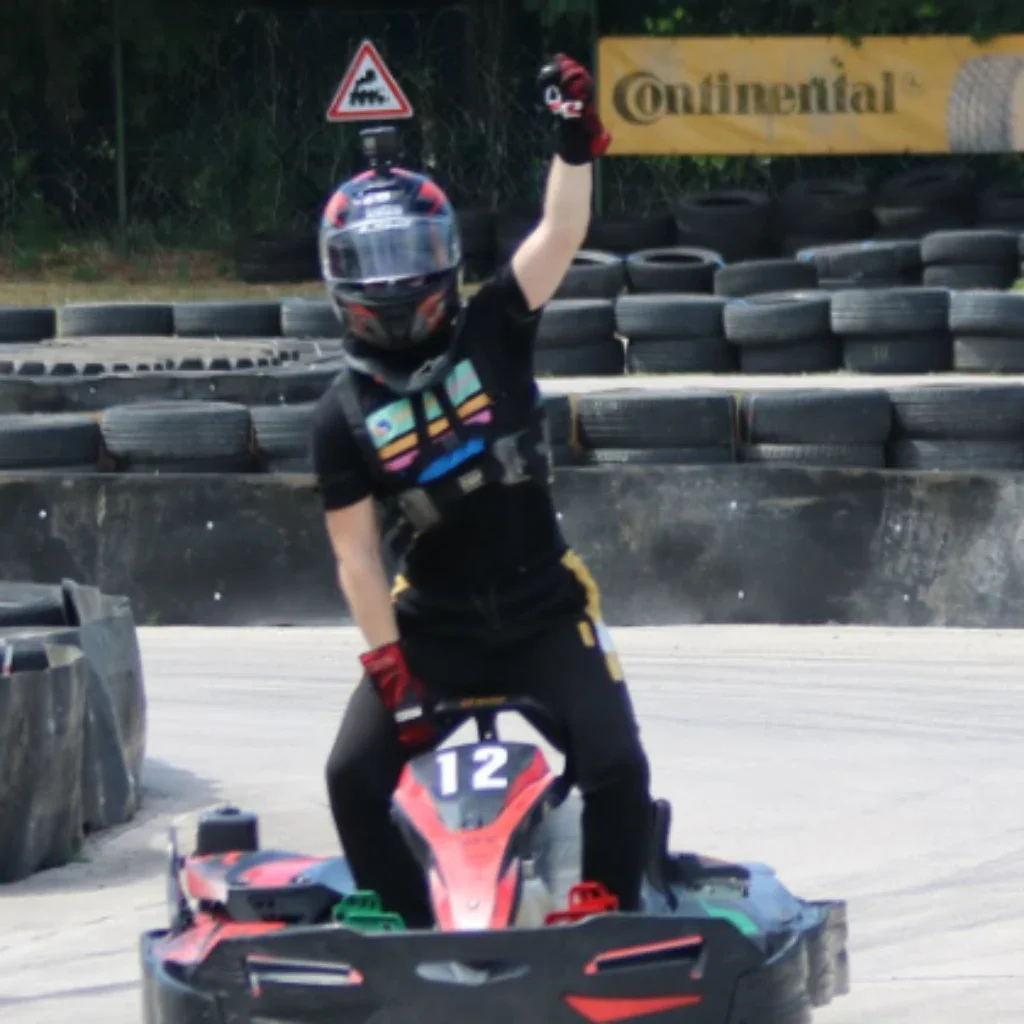
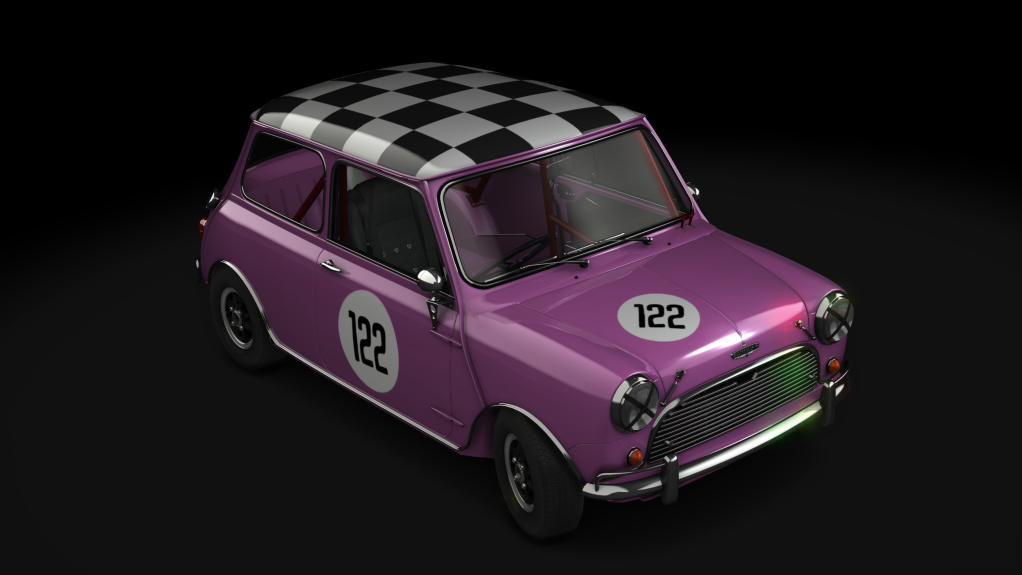
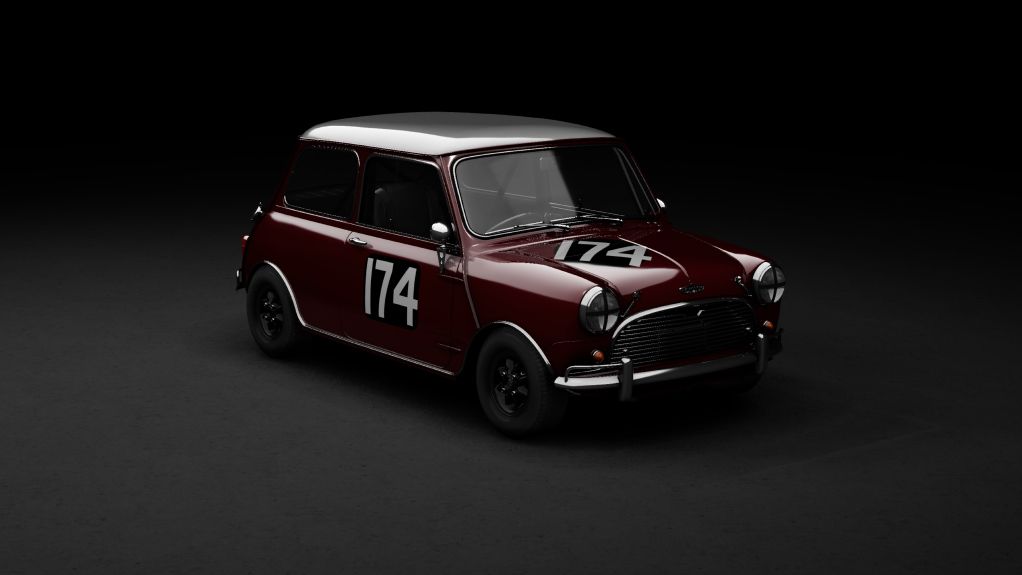
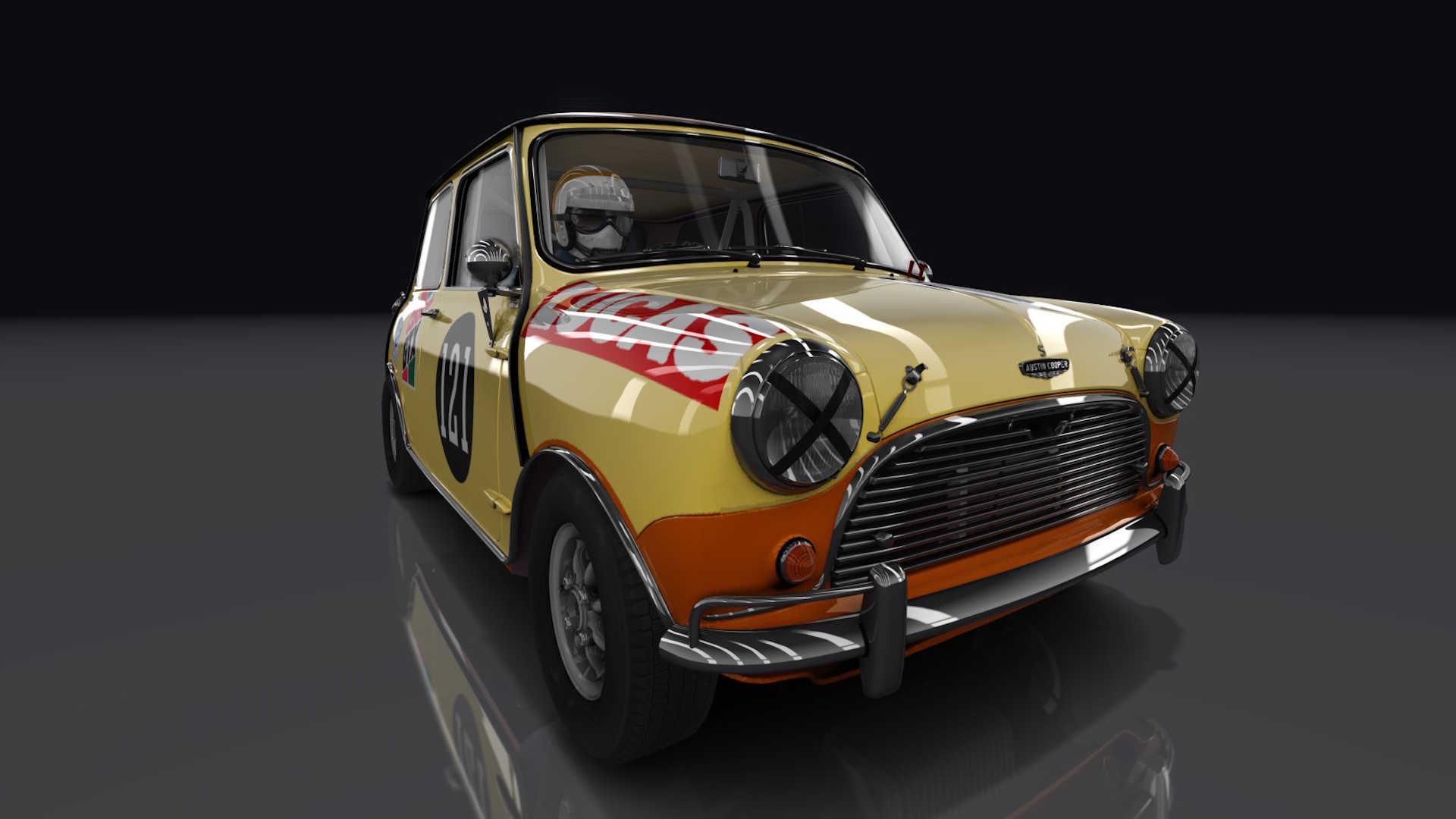
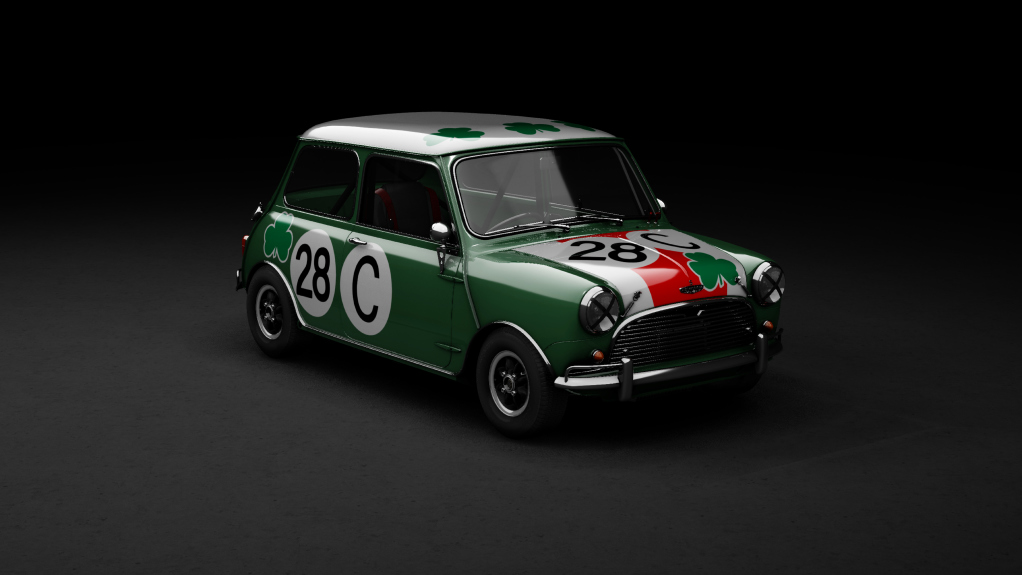
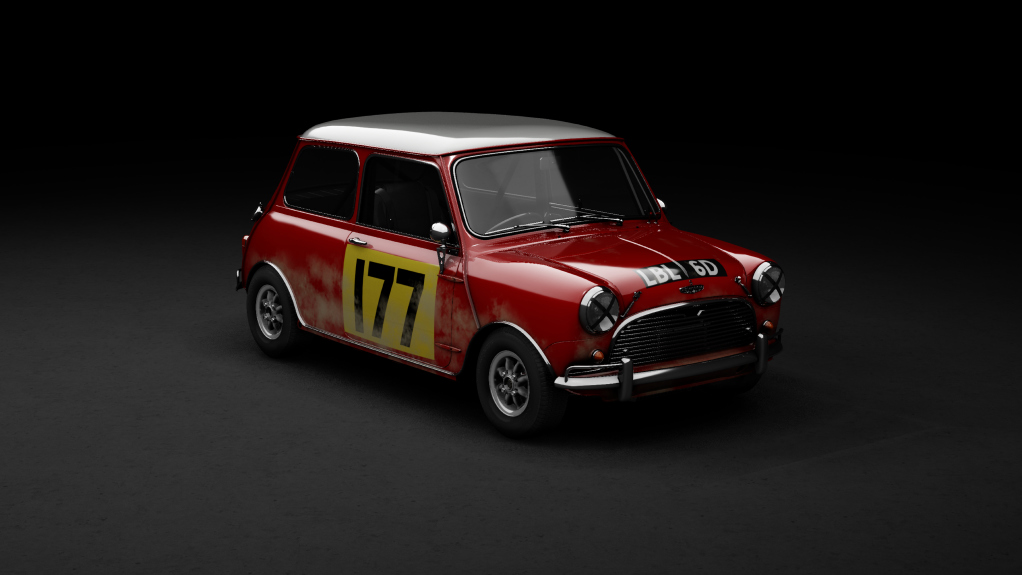
David Czemmel carried the Mini Cup with the assurance of a man who understood that a short championship, particularly one governed by a discarded score, was not to be won by noise. Three victories and three second places from eight races supplied the substance; a calm response to every change of circumstance supplied the title. Clovis and Mika Hakala completed the final table, but it was Czemmel who gave the season its shape.
A championship of small margins and changing values
There were only four meetings in the Mini Cup calendar, each comprising two races, yet the series had the curious elasticity of a longer season. The rule allowing every driver to discard one event made the early tables provisional almost by definition. At Montjuich, with every entrant's sole result immediately removed, the leading points total was zero. The opening evening nevertheless established the people who would matter.
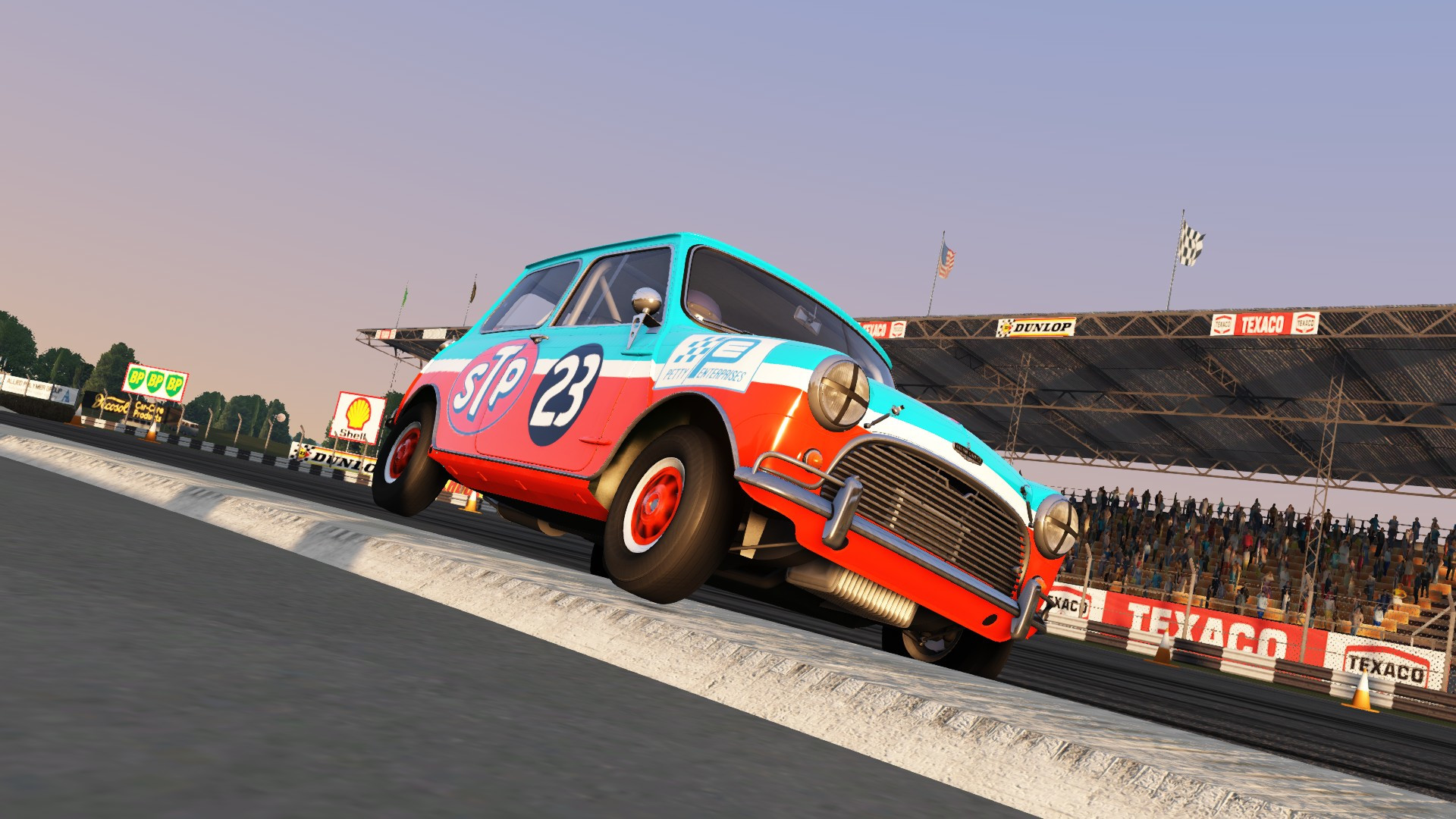
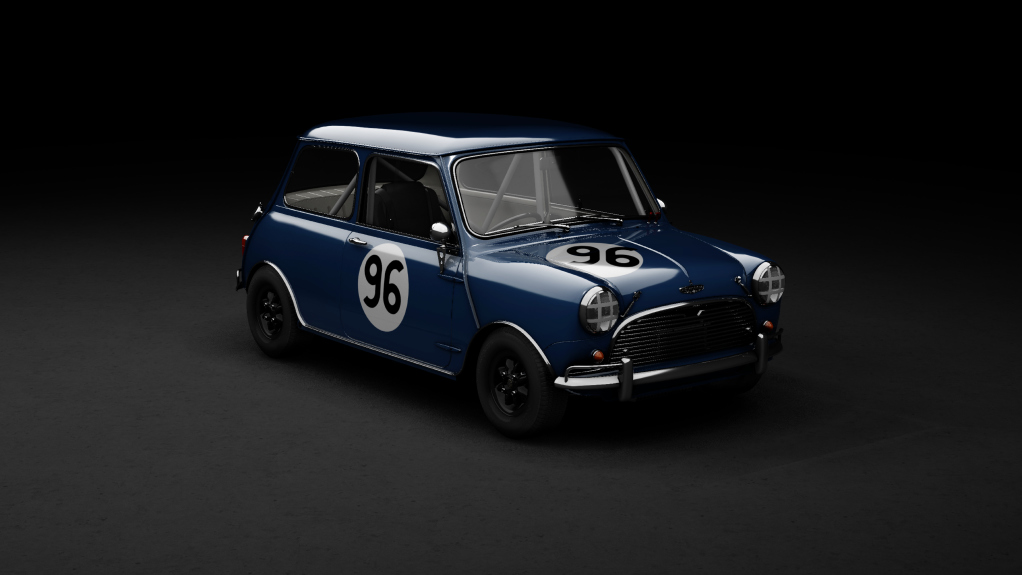
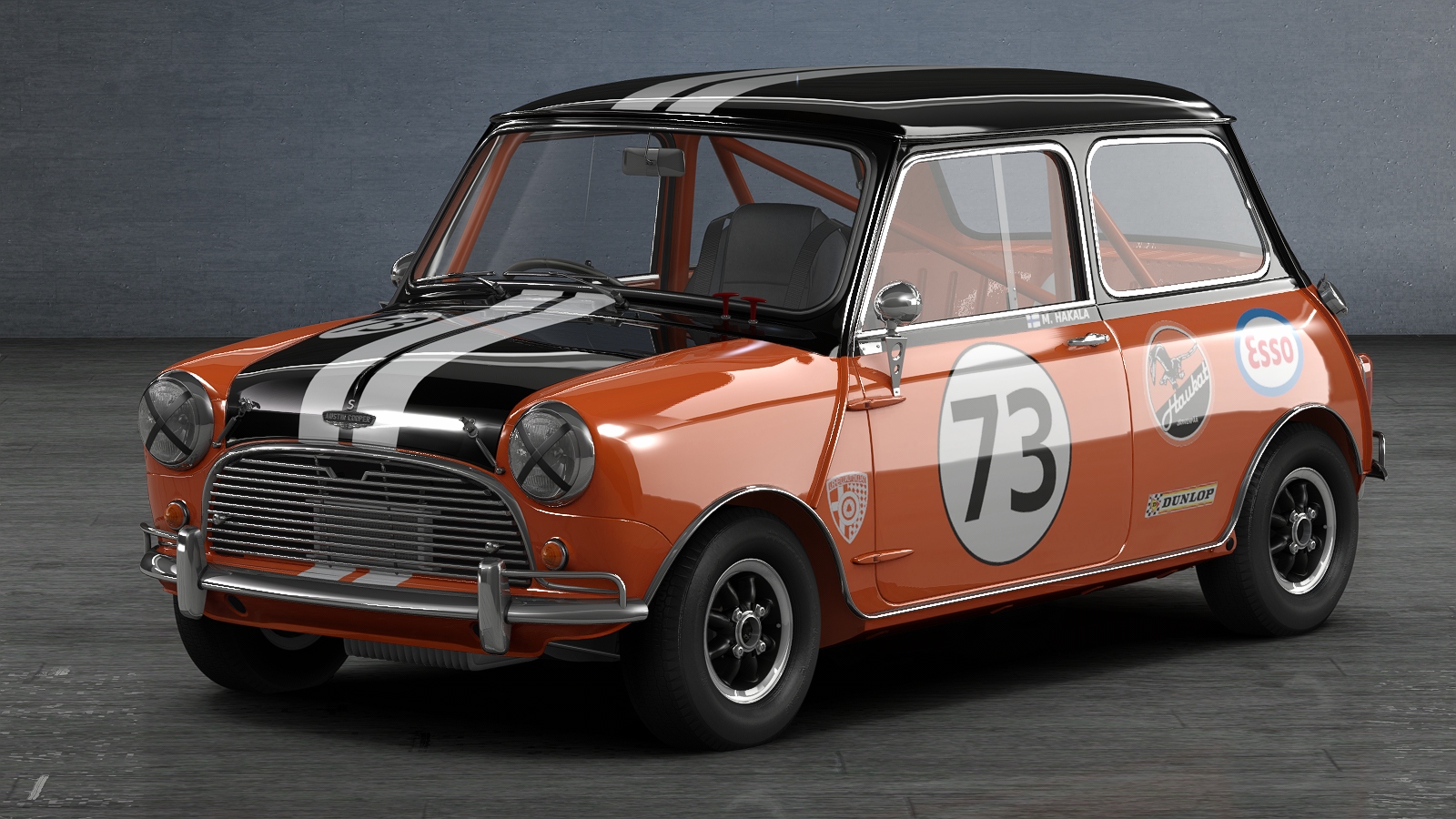
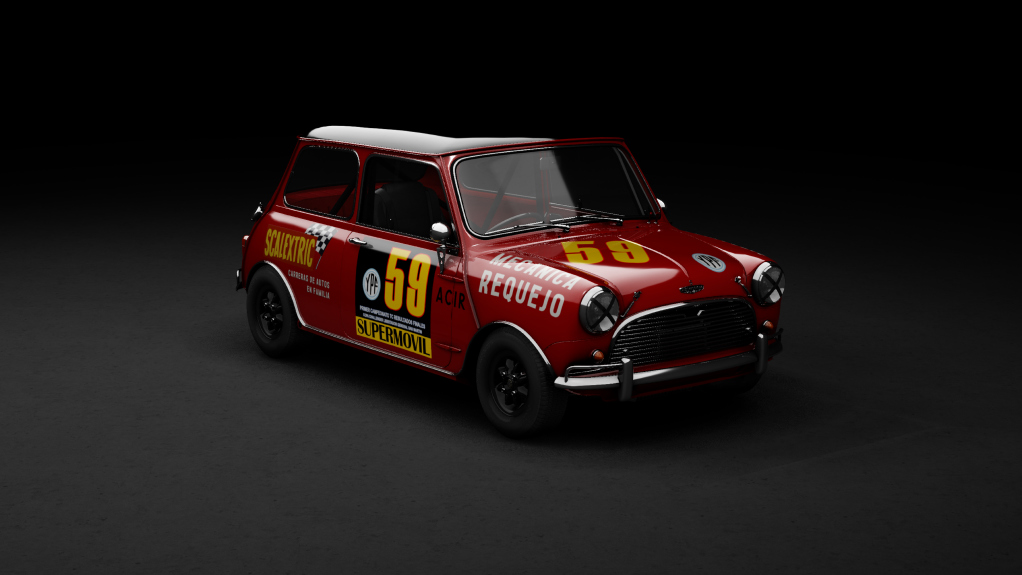
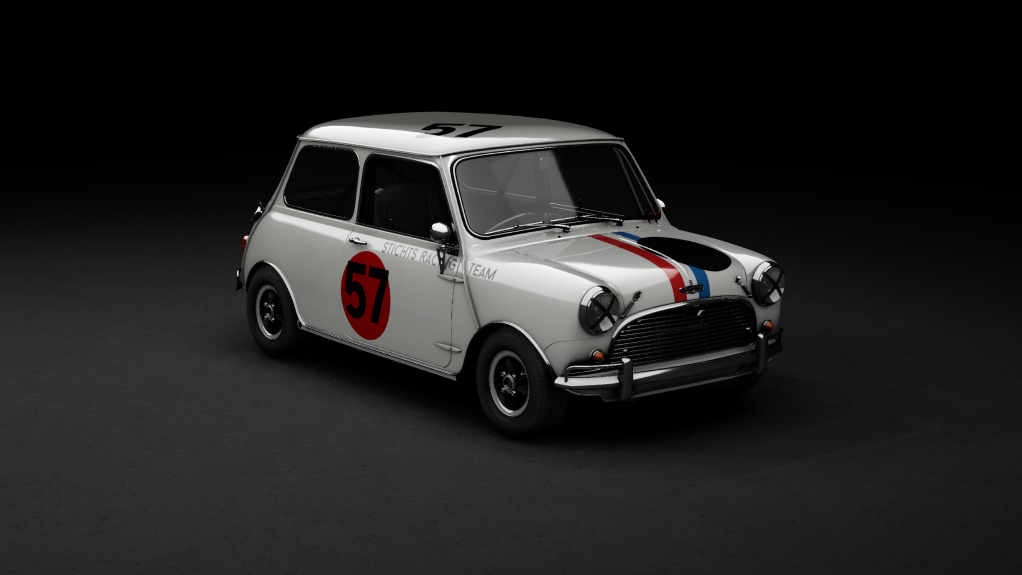
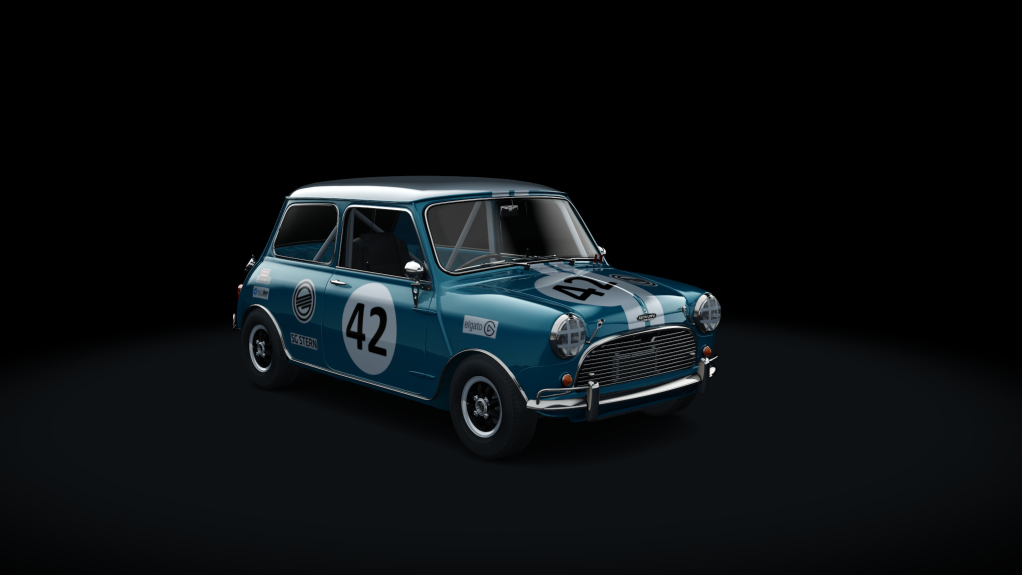
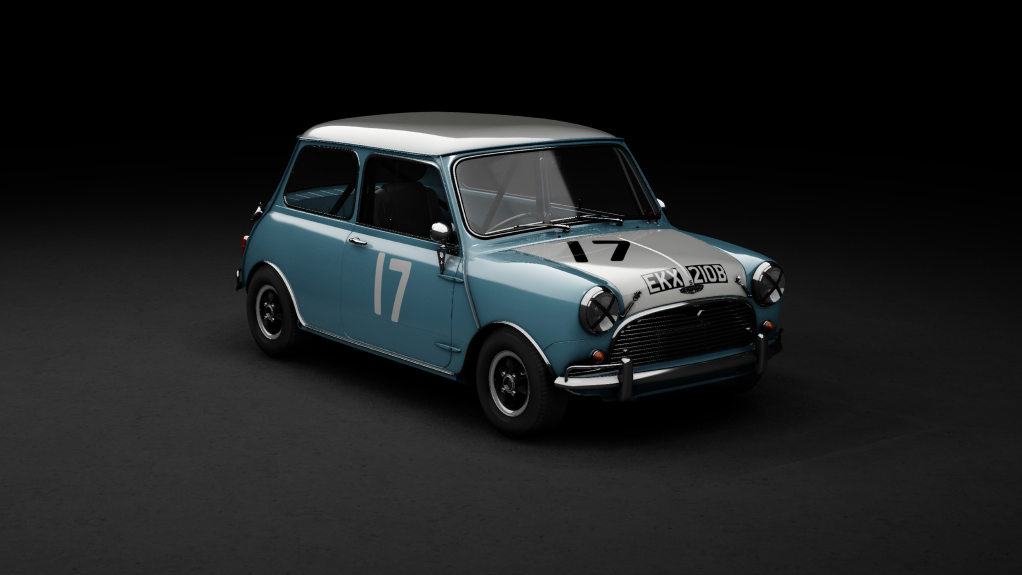
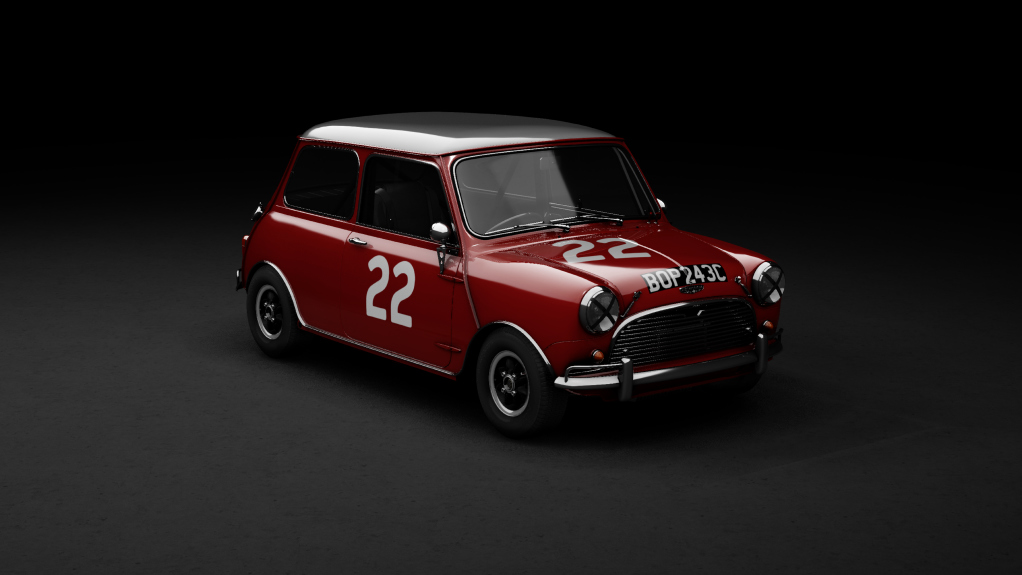
Czemmel won the first race in his TCL60 Mini Cooper S and took second in the next. Florian Masse was second and third, while Clovis answered a fourth place in the opener with victory in the second race. FMG added a third place. It was not a declaration of one man's authority so much as a compact statement of the standard required: in a field of identical Minis, placing near the front twice in an evening was already of considerable consequence.
The first scoring effect became visible at Silverstone. Czemmel won the first race, although fifth in the second prevented the evening becoming a rout. Valentin Knechtel appeared for the first time with third place followed by victory, and suddenly sat second in the Championship on 74 points, three behind Czemmel's 77. Clovis, Masse and FMG were tied for third on 71 points, six behind the leader. The dropped-score rule had left the table finely packed, but Czemmel had already shown the more durable habit: when he did not win, he still collected something useful.
There was a certain balance to the early part of the season. Czemmel had two wins and a second place from four starts after Silverstone; Knechtel had arrived with a win and a third from his two. Clovis had combined a Montjuich victory with a Silverstone second place, while FMG's second and third at Silverstone enlarged an already respectable podium record. Masse's absence from the meeting cost him immediate ground, though the zero score was at that stage the result to be dropped. The Championship was close in arithmetic, but the pattern of participation was beginning to separate the possibilities from the certainties.
Nivelles and the making of a lead
Nivelles was the meeting at which Czemmel's campaign acquired its decisive character. He won the first race from Masse and Clovis, then took second when Masse won the second. For Czemmel it was not merely another strong evening; it was confirmation that his title case rested on repeatable performance rather than a single circuit or a single phase of the calendar.
Masse deserved considerable credit for his response. His Nivelles results were second and first, giving him four podiums from four starts - one victory, two second places and a third. At the conclusion of the meeting he stood second in the Championship on 148 points, only six behind Czemmel's 154. A lesser reading of the season might have seen this as a late duel between the two, but the broader ledger was less simple. Masse had raced only at Montjuich and Nivelles, and the season's final order would inevitably reflect the value of sustained attendance as well as front-running pace.
Clovis remained a serious figure in the calculation, but Nivelles changed the tone of his challenge. Third in the first race was useful; classified 14th after completing 12 of the 13 laps in the second was rather more costly. He left the meeting third in the Championship on 139 points, 15 behind Czemmel and nine behind Masse. Under the rule then in force, Clovis's Nivelles return of 55 points became his current discarded event. Czemmel, meanwhile, was able to discard his 70-point Silverstone round and retain 154 counted points.
Hakala's rise was quieter but proved more lasting. At Nivelles he was fourth and then third, his first podium of the year following an opening sequence of 21st, 10th, sixth, fourth and fourth. The third place indicated a driver gathering ground through regular, sensible placement rather than conspicuous bursts. This was a theme that would matter greatly in the final reckoning.
Knechtel's Nivelles evening, by contrast, arrested the momentum he had created at Silverstone. He was classified 18th after completing four laps in the first race and 16th after completing four laps in the second. His 91 counted points after three rounds left his Silverstone promise intact as a memory, but required a strong closing appearance. Czemmel, by then, had three wins and two second places from six starts, five top-two results in all. The lead was six points over Masse, but the champion's advantage was larger in character than in number: he had made his low result manageable and his good results habitual.
Zandvoort's separate drama
The final meeting at Zandvoort brought its own winners rather than a final assault upon Czemmel. Knechtel returned to the form seen at Silverstone, winning the first race and taking second in the next. Maju made both podiums with two third places, and Marc Orós took fourth in the first race before winning the second. It was an attractive late redistribution of honours, and proof that the front of the Mini Cup was never the private territory of one driver.
Czemmel's task was handled without excess. He took second in the first Zandvoort race and was fourth in the second. Those positions gave him three wins, three seconds and six podiums across his eight starts for the season. Yet the final meeting also illustrated the peculiar operation of the score system: Czemmel's 68-point Zandvoort event became his discarded score. His Championship total therefore remained 224 points, drawn from the three counted meetings that had made the title secure.
The more consequential absences were those of the men immediately behind him in the final table. Clovis did not start at Zandvoort; that zero-score event became his discard, leaving him on 194 points. Hakala raced both times, placing fifth and sixth, and completed his season third in the Championship on 184 points. His discarded event was Montjuich, worth 39 points, so the accumulated work of Silverstone, Nivelles and Zandvoort carried him into the final top three.
Thus the closing meeting altered the supporting order more than the destination of the title. Knechtel's win and second lifted him to 168 points and fourth in the final classification, a season whose four podiums were divided between a scintillating Silverstone debut and a forceful Zandvoort recovery. Masse, despite his immaculate four-race podium record, ended eighth on 148 points because those four races represented only two meetings. FMG's Silverstone podium pair and Montjuich third brought 135 points and 11th place, tied on points with Rick Smith. The season was unusually clear in its lesson: peak results could announce a driver, but only repeated participation and the ability to turn every evening into a score could sustain a championship campaign.
The final order
Czemmel took the Championship for Gokartedzes.hu with 224 points, 30 clear of Clovis on 194. Hakala was third on 184, a further ten points behind Clovis. All three used the TCL60 Mini Cooper S, but their routes to the final table were markedly different.
Czemmel's was the complete campaign. He won at Montjuich, Silverstone and Nivelles, and when his final Zandvoort score ceased to count under the dropped-event rule, it did so because the earlier work was stronger still. Clovis's single victory, second place and third place showed the pace to contend, but his season was broken by the Nivelles second-race classification and the absence from the finale. Hakala did not win a race and recorded only one podium, yet eight starts and a measured progression through the year gave him the third-place reward.
That contrast is the proper summary of the Mini Cup 2026. The Minis produced variety at the head of individual races: Czemmel, Clovis, Knechtel, Masse and Orós each had their moment at the front. But the Championship belonged to the driver who most consistently made those moments count. Czemmel's title was won not in one overwhelming evening, but through the accumulation of disciplined results until the discarded score became a convenience rather than a rescue.
In a brief series, the temptation is to treat every race as a final. David Czemmel understood otherwise. He made the season a connected piece of work, and when the last score was crossed out, his name remained at the head of the table.