Scarpion Prevails After the Summer Cup's Shifting Early Fortunes
The P&F Summer Cup of 2026 was settled not by an uninterrupted procession but by the measured accumulation of strong meetings. Kuba Palubicki announced himself at Zandvoort, Scarpion struck back at Most and Grobnik, and Adam Celárek remained close enough throughout to make the margin meaningful. In the end Scarpion's four victories carried the A5 title by 11 points.
A short season, and a changing arithmetic
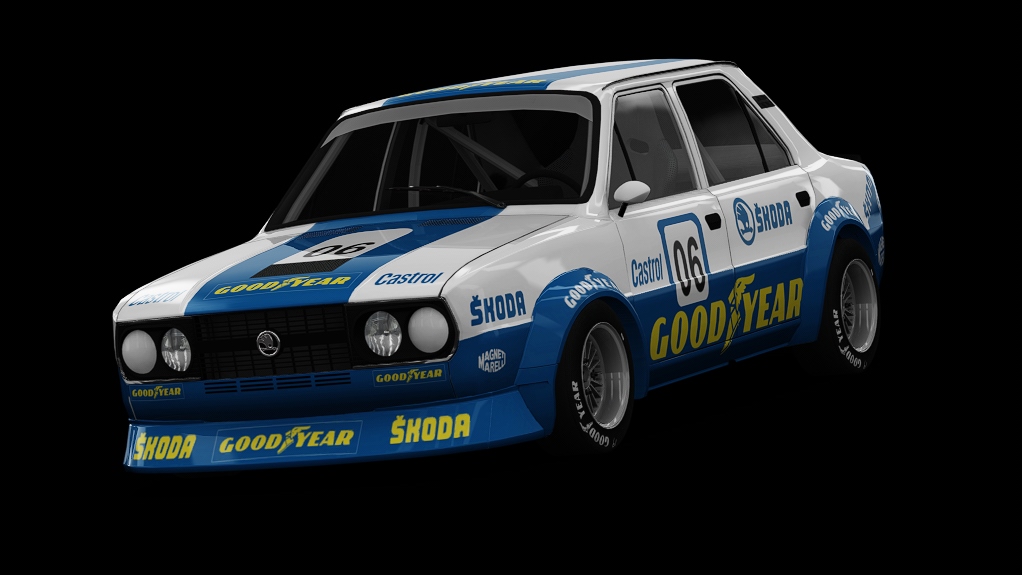
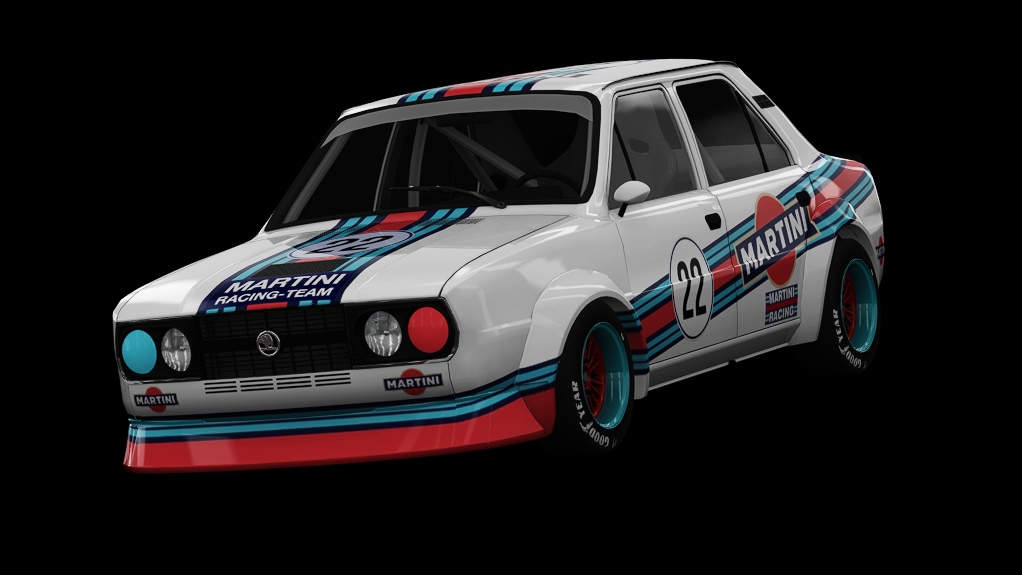
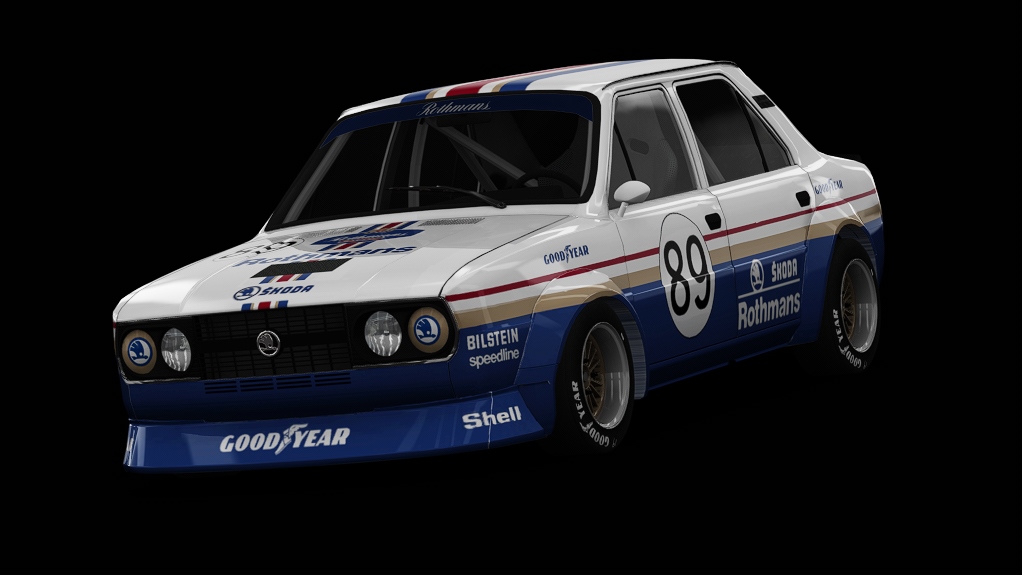
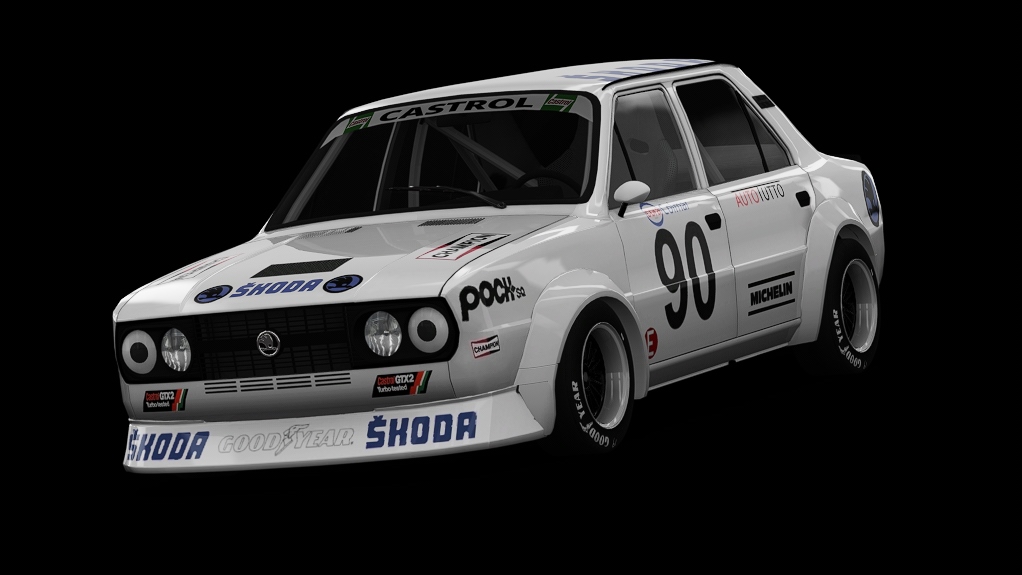
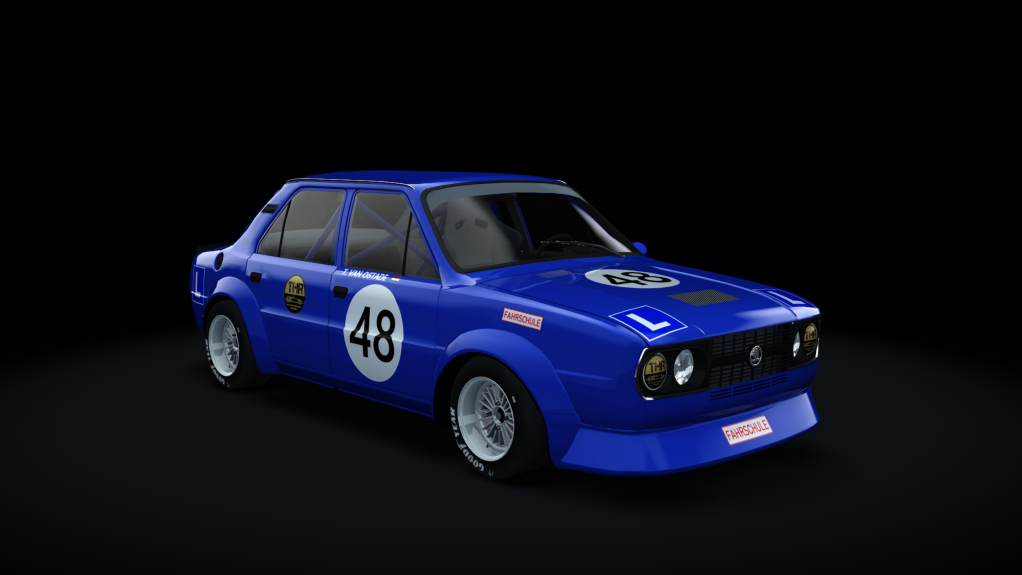
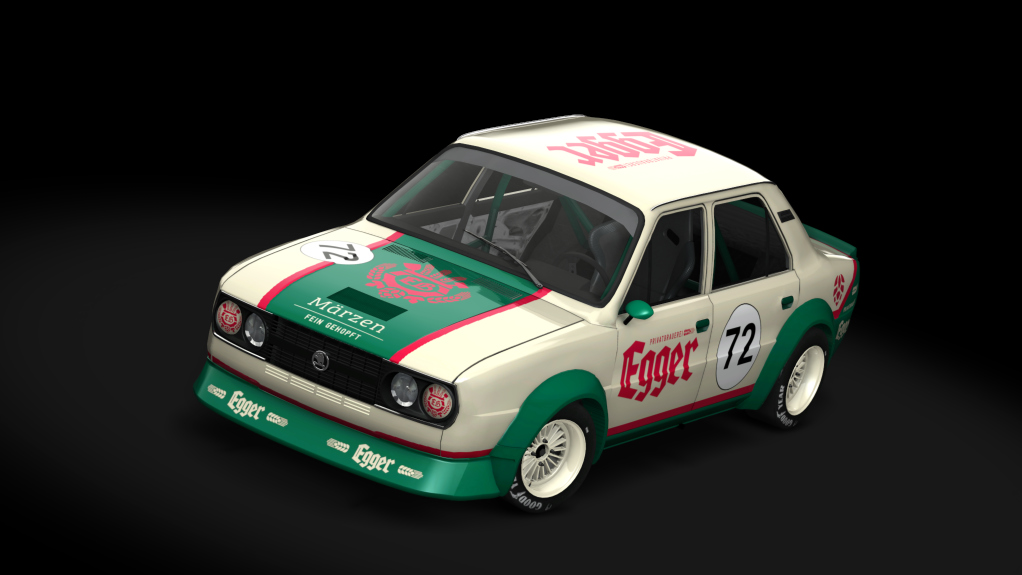
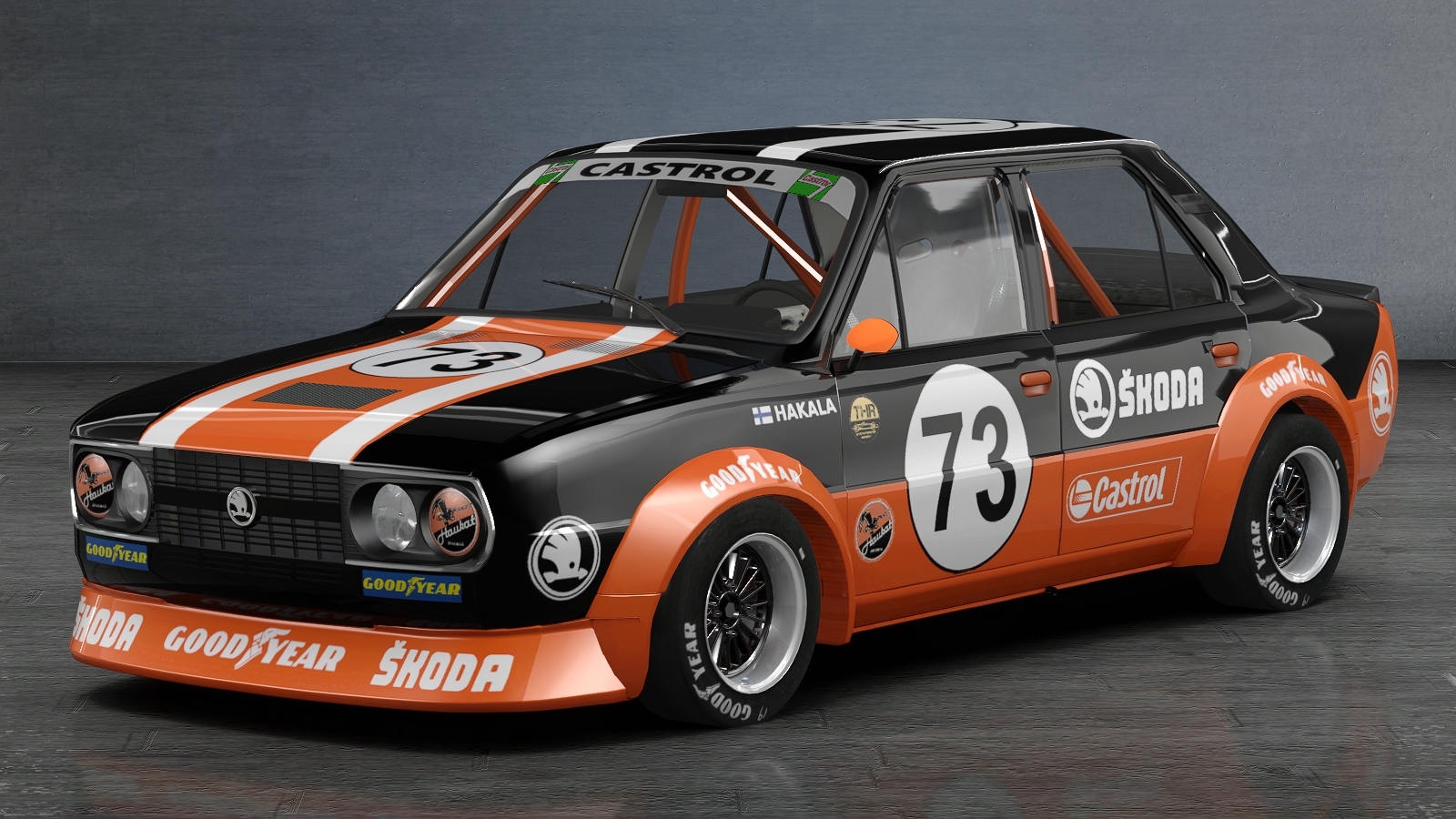
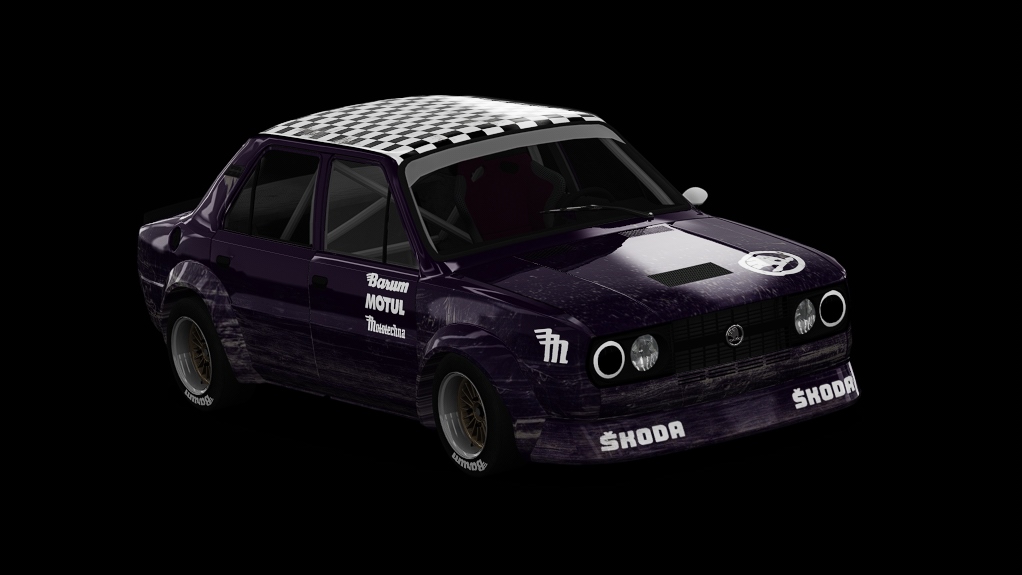
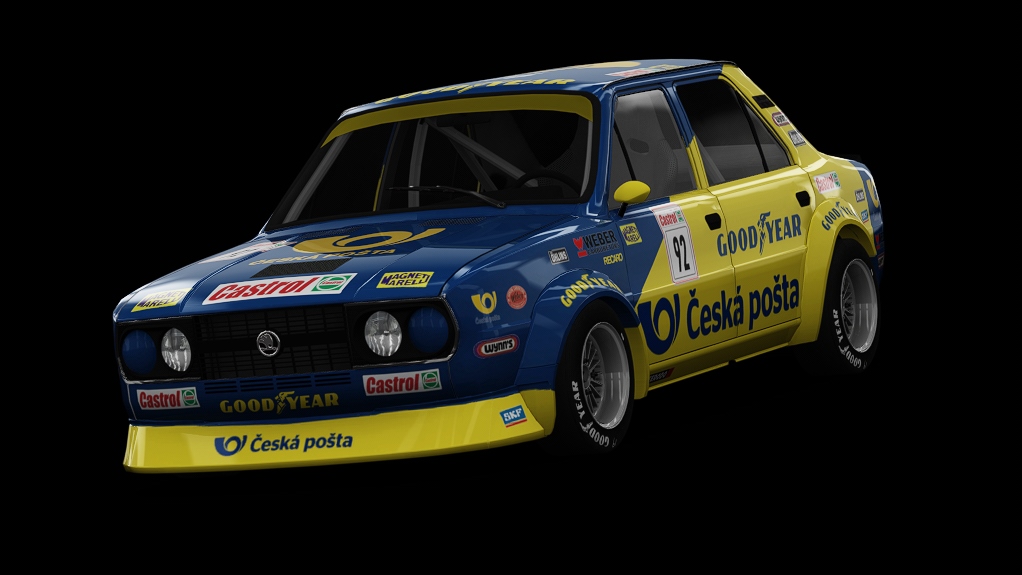
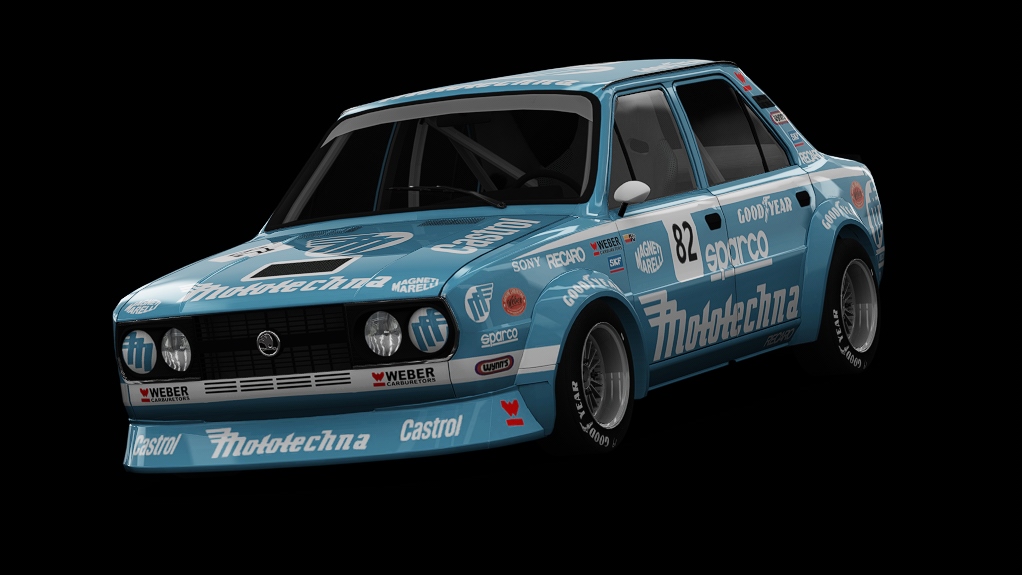
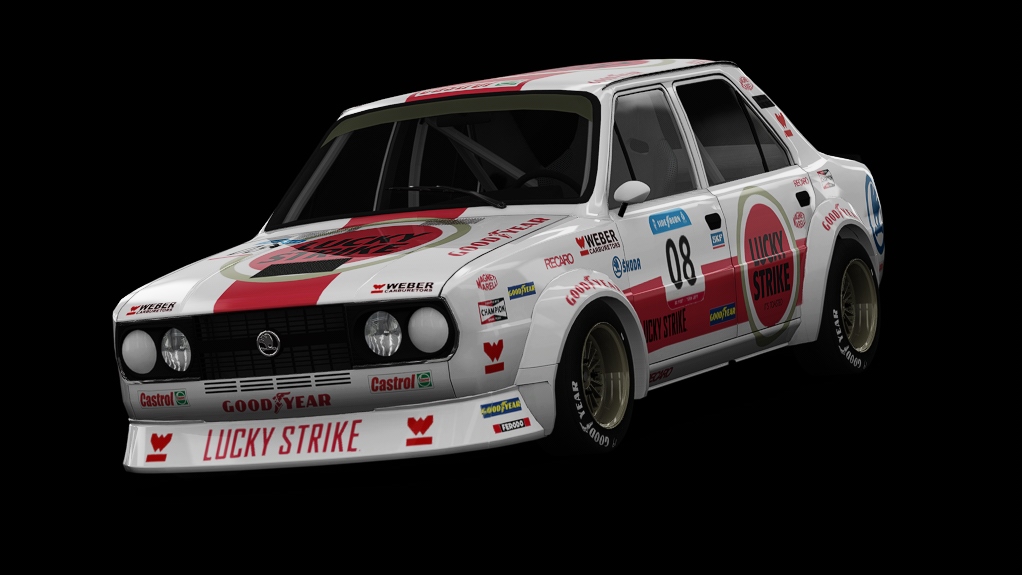
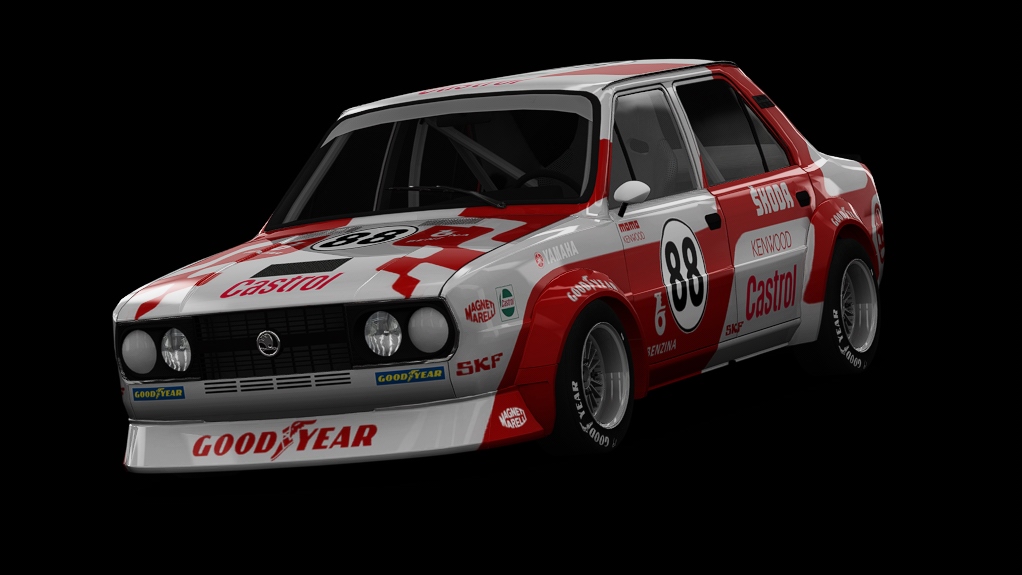
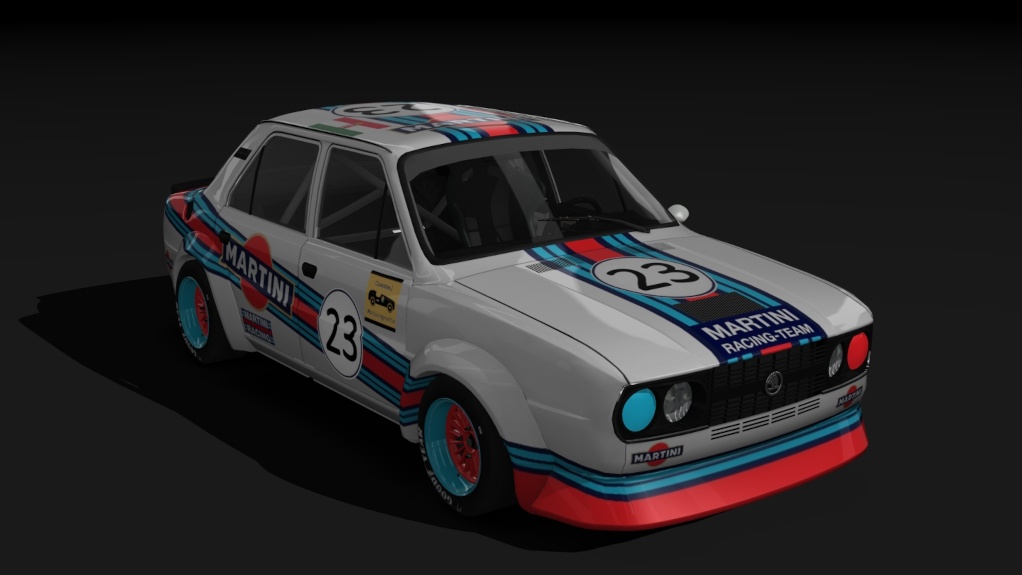
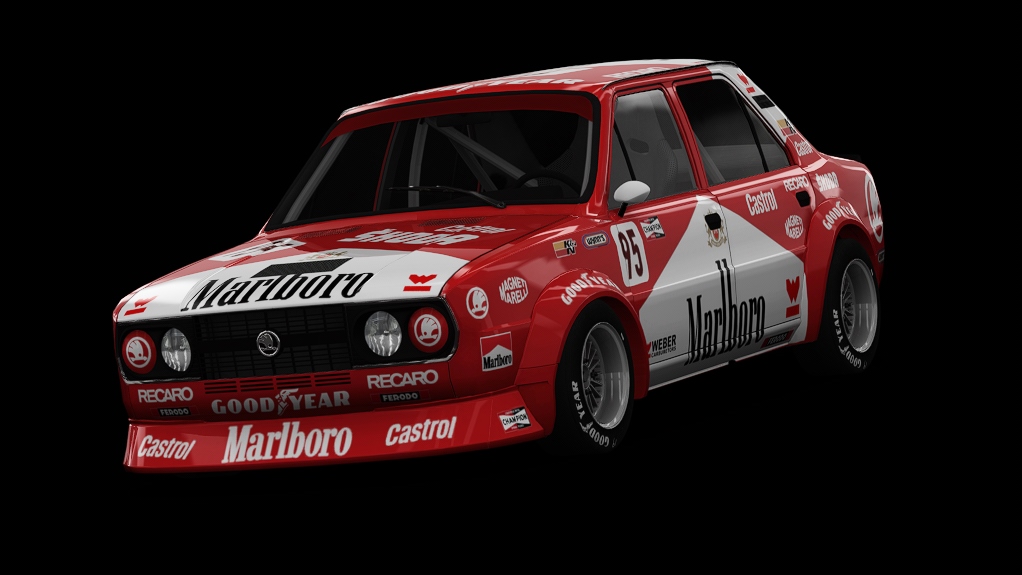
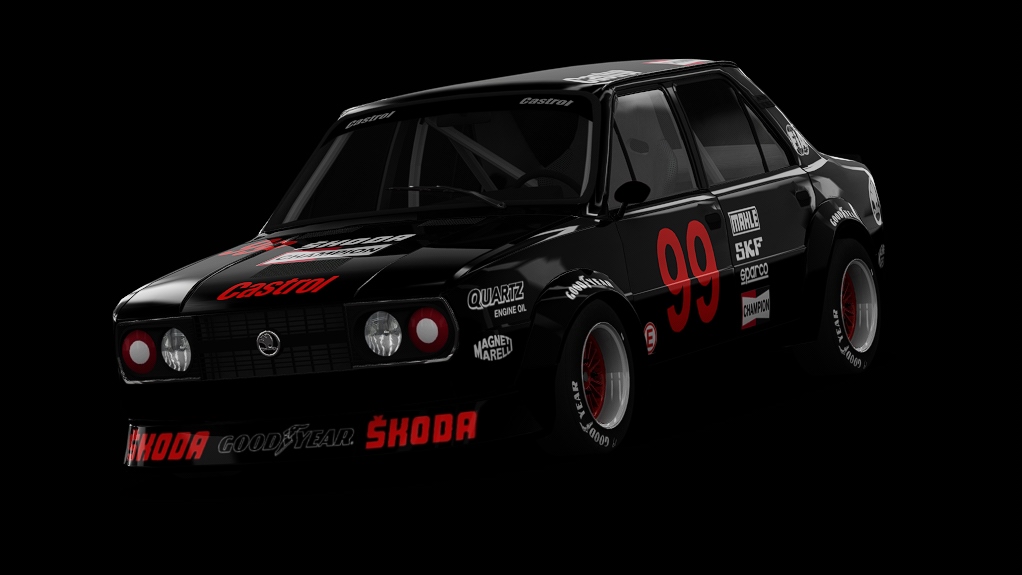
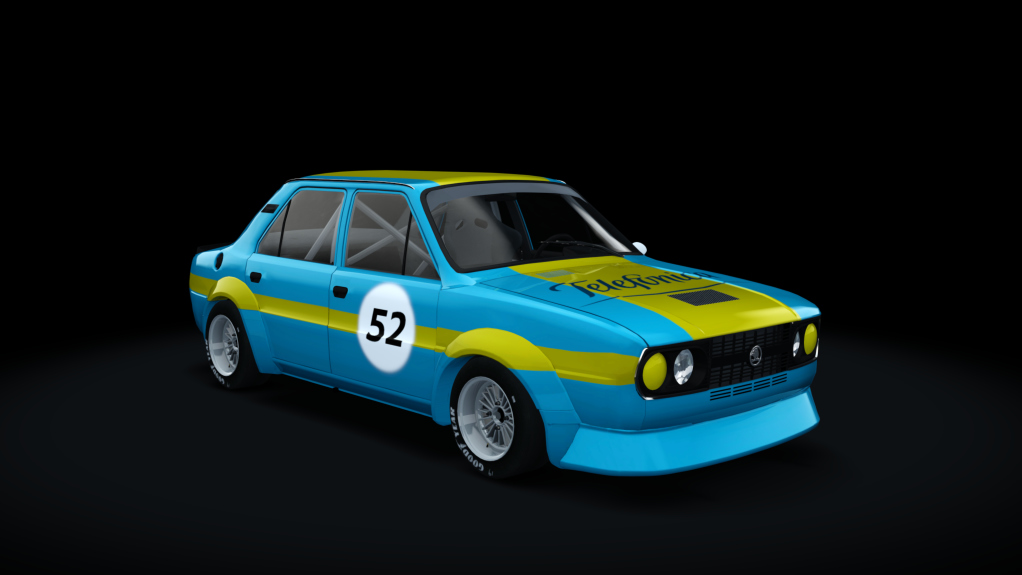
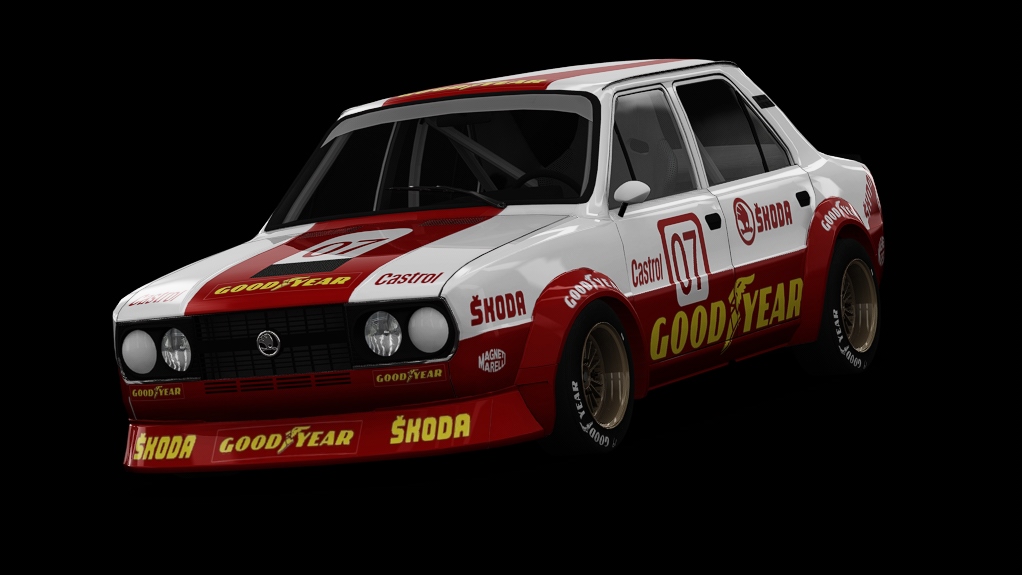
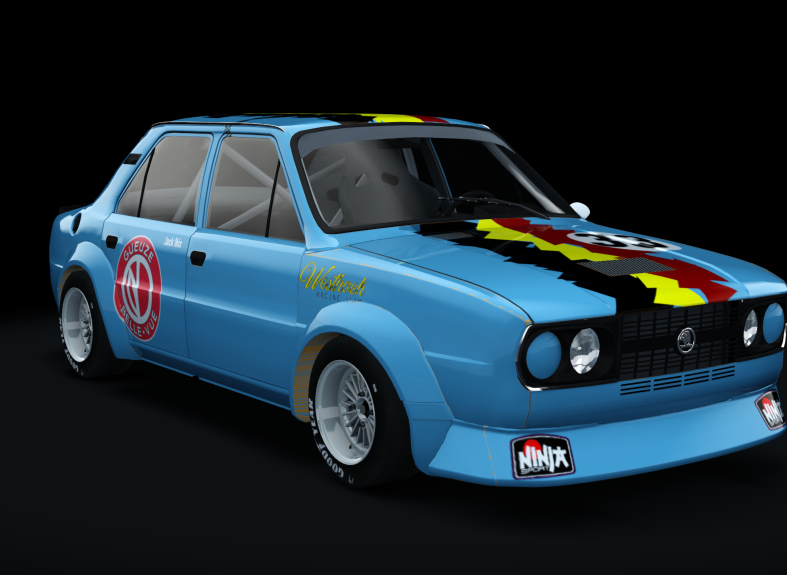
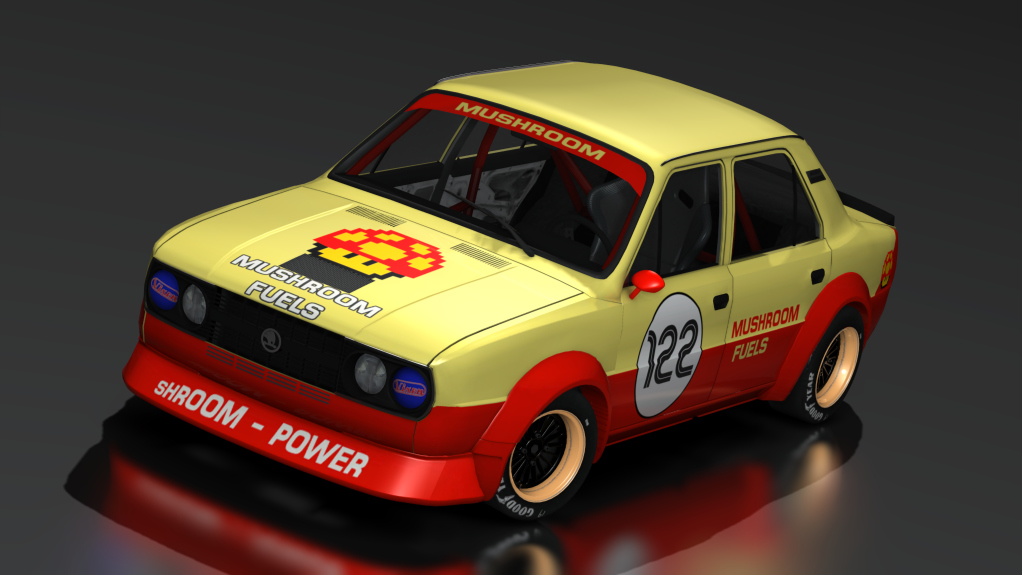
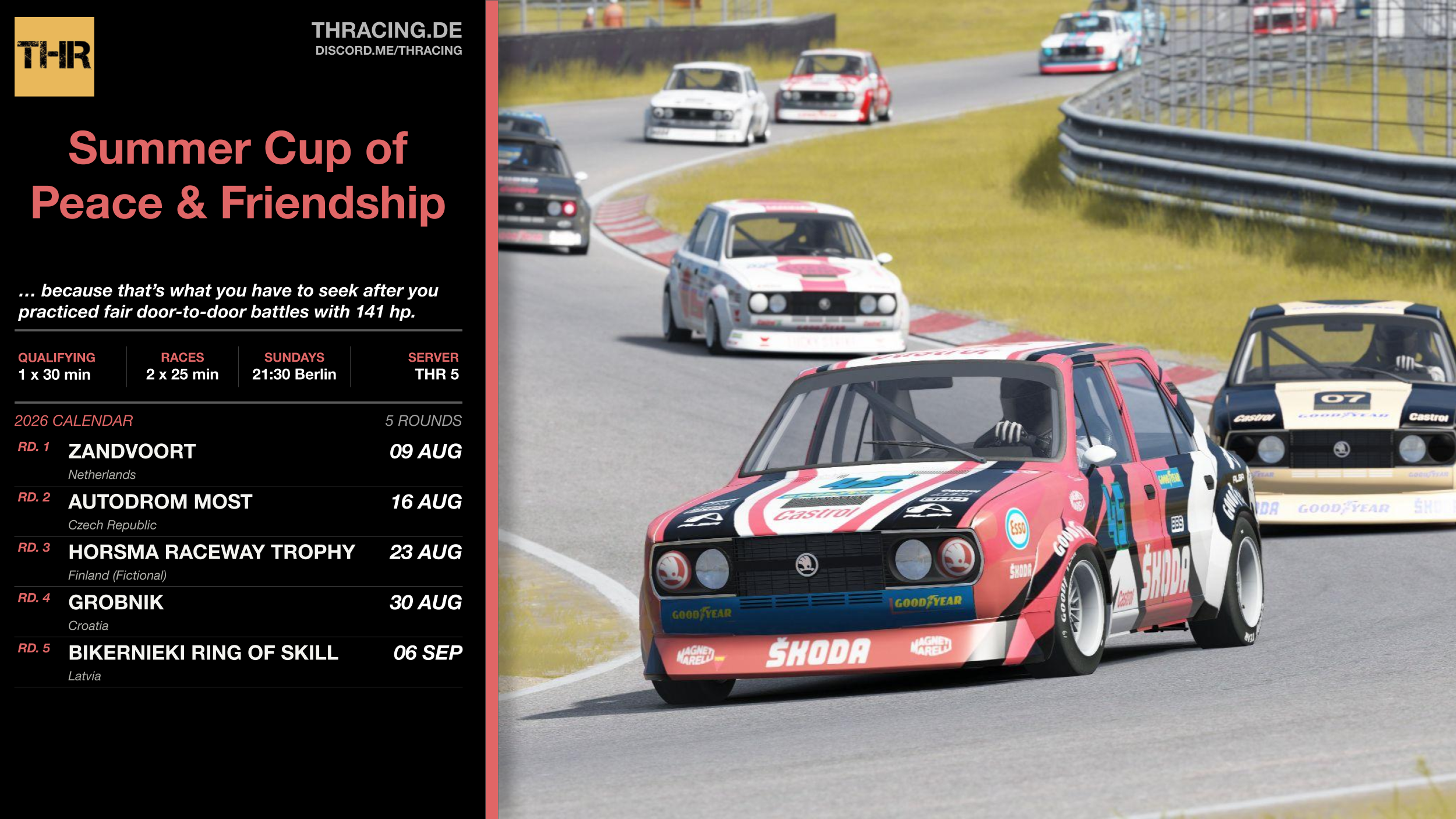
Five meetings, each comprising two races, gave the Summer Cup a compact but rather deceptive shape. The field was united by the Skoda (Race 742) 120 LS/A5, and every one of the season's 30 podium places belonged to that car. Equality of machinery did not, however, bring equality of purpose. The principal story concerned three different kinds of campaign: Palubicki's brilliant but abbreviated opening, Celárek's persistent collection of leading finishes, and Scarpion's ability to turn commanding race-winning form into the points that endured.
There was also the matter of the dropped-score regulation. Each driver discarded one poorest event result, and in such a short series the table could look provisional for longer than usual. After Zandvoort, with every driver's sole available event score being discarded at that stage, the leading contenders were all level on zero counted points. The apparent blankness of the opening table did not diminish the significance of what had occurred on the circuit; it merely deferred its effect. The championship would only properly declare itself when second scores became available.
Palubicki's opening declaration
At Zandvoort, Palubicki made the sharpest possible beginning. He won both races, reaching the flag on each occasion, and set fastest lap in both. Celárek was second and third, while Scarpion took third in the first race and fourth in the second. David Czemmel's second place in the later contest was an early indication that the front was not confined to the eventual title protagonists.
Palubicki's double victory was more than an isolated flourish. It established a standard of authority that no one bettered at a single meeting. By the end of Most he had completed four races with two wins, one second place and one third - four podiums in four starts. Yet the Summer Cup would prove an unforgiving championship for a driver whose appearances did not extend beyond those first two meetings. Palubicki had shown what was possible; others would have to show it repeatedly.
Most changes the balance
Most supplied Scarpion's answer. He won both races, reached the flag in each, and took the fastest lap in the second. Palubicki remained very much in the argument with third and second, but Scarpion had converted the first decisive opportunity into a matched pair of victories. After the meeting, the Championship lead was shared: Scarpion and Palubicki each stood first on 80 points, while Celárek was third on 71, nine behind the leaders.
Celárek's weekend contained the seed of his whole season. He was second in the first race but classified 12th in the second. Under the scoring rule, that 60-point Most event score was then his discarded result, leaving his Zandvoort score to count. The setback did not remove him from contention, but it made his subsequent consistency essential. Elsewhere, Max Solmyr's third place in the second Most race added another name to the season's podium record, without developing into a sustained campaign.
Horsma and the closest table of the year
The third meeting at Horsma brought the title contest to its most finely balanced state, though not in the form anticipated after Most. Czemmel won the first race from Celárek, with Scarpion third. Then Celárek won the second from Czemmel, while Marc Orós took third. Czemmel's two Horsma results gave him, after four starts, one victory and two second places - three top-two finishes and three podiums. It was a compact, very effective contribution, even if it could not become a full-season challenge.
Celárek's second and first were the more important championship reply. By the conclusion of Horsma he had one win, three second places and five podiums from six starts. Yet Palubicki, absent from the meeting, remained first in the Championship on 151 points. Celárek was second on 148, three points behind, and Scarpion was third on 145, six points behind Palubicki and three behind Celárek. Czemmel shared Scarpion's 145-point total. It was an unusually crowded summit: the early double winner, the steady scorer, the double winner from Most and the Horsma victor were separated by only six points.
Scarpion's third and fourth at Horsma were not poor races, but they were his least forceful pair after the opening round. They left him with two wins and two third places from six starts, and placed the emphasis firmly upon the next meeting. It was there that the character of the season changed.
Grobnik gives Scarpion the initiative
At Grobnik Scarpion was again unmistakably the reference. He won both races, reached the flag on both occasions and recorded the fastest lap in each. Celárek followed him home second in the first race and third in the next. Martin Brodsky's second place in that later contest was a welcome reward for a campaign built chiefly on solid upper-midfield results, while Clovis took third in the first Grobnik race.
The double victory restored Scarpion to the head of the Championship with 225 points. Celárek held second on 219, six behind, and Brodsky was third on 186, 39 points behind the leader. Palubicki and Czemmel, so prominent in the preceding table, were no longer active at the meeting. Thus the immediate contest narrowed not through a declaration but through attendance and accumulation.
The dropped-score rule remained material. At this point Scarpion's Zandvoort event score of 65 was the result omitted from his counted total; Celárek was still discarding his 60-point Most score. The six-point advantage was therefore a real but delicately composed one. Scarpion had the greater number of victories, while Celárek's habit of returning to the podium gave him the means to remain within reach. Through Grobnik, Celárek had five top-two finishes and seven podiums from eight starts. Scarpion had four wins, four top-two finishes and six podiums from the same eight starts. The distinction was plain: Celárek was almost always there, but Scarpion had more often been first.
Bikernieki and the latecomers' day
The final meeting at Bikernieki did not alter the first two places, for neither Scarpion nor Celárek took part. Under the final application of the dropped-score rule, Bikernieki's zero-point absence became the discarded event for each of them. Their Grobnik totals therefore stood: Scarpion on 290 points and Celárek on 279.
That did not make Bikernieki an empty conclusion. It belonged to NeckR888, Willphaizer and Nat Stevenson. NeckR888 won the first race and reached the flag second in the next. Willphaizer was third in the opener before winning the second race, while Stevenson came home second and third. These were the decisive late rewards for all three. NeckR888 rose to third in the Championship on 251 points, 28 behind Celárek; Willphaizer finished fourth with 248; and Stevenson closed tenth on 180.
For NeckR888, the final pair transformed a season of regular but generally modest placing into a major final classification. His ten starts yielded one win, one second place and two podiums. Willphaizer also completed all ten races and ended with one win, one third place and two podiums. Their late form could not change the title decision, but it gave the final table a different complexion from that which Grobnik had suggested.
The champion and his nearest rival
Scarpion's title was founded upon four wins: the two at Most and the two at Grobnik. Those victories were supplemented by two third places, giving him six podiums in eight starts. His 290 points put him clear of Celárek by 11, a margin sufficiently narrow to honour the latter's season but sufficiently clear to confirm the value of Scarpion's winning peaks.
Celárek was the championship's great constant. His record of one win, four second places and two thirds made seven podiums, more than any other leading contender. He was also the only driver to record five top-two finishes. Side Heart Motorsports therefore had much to take from a campaign in which its driver was present at the sharp end from Zandvoort to Grobnik. But Scarpion's four victories against Celárek's one told the decisive part of the story.
The final A5 top three - Scarpion first on 290 points, Celárek second on 279 and NeckR888 third on 251 - were all achieved in the Skoda 120 LS. It was a season in which the car gave everyone the same instrument, and the title went to the driver who most decisively made the leading position his own when the championship's balance was ready to move.
The Summer Cup was brief, but not simple. Palubicki's opening sweep, the tight four-driver table after Horsma, and Scarpion's Grobnik response gave it a proper progression. Celárek made the champion work for every point that counted; NeckR888 and Willphaizer ensured that the final meeting retained its own importance. Yet the lasting image is Scarpion's: four wins, two vital double victories, and a championship secured by sustained authority when it mattered most.