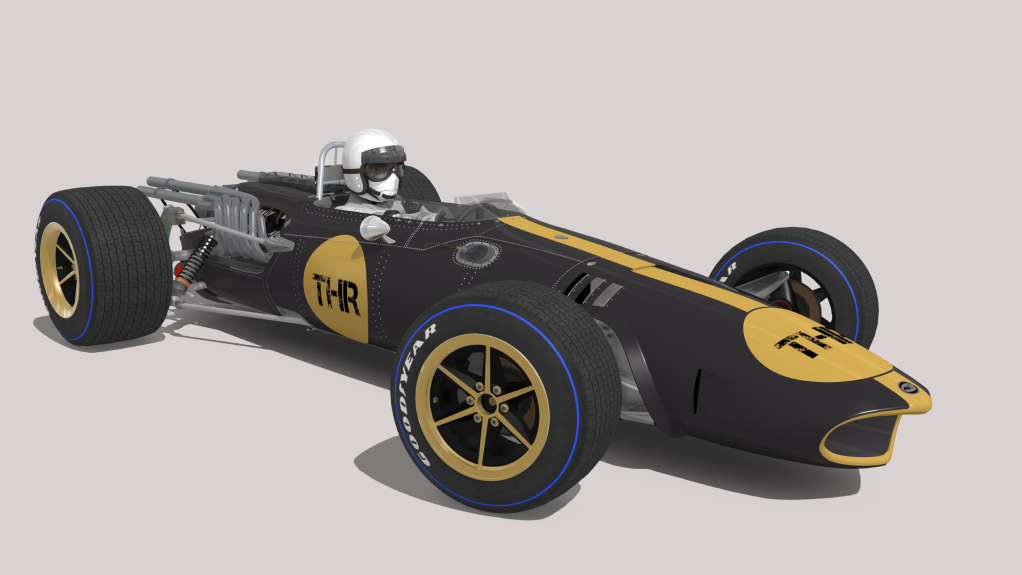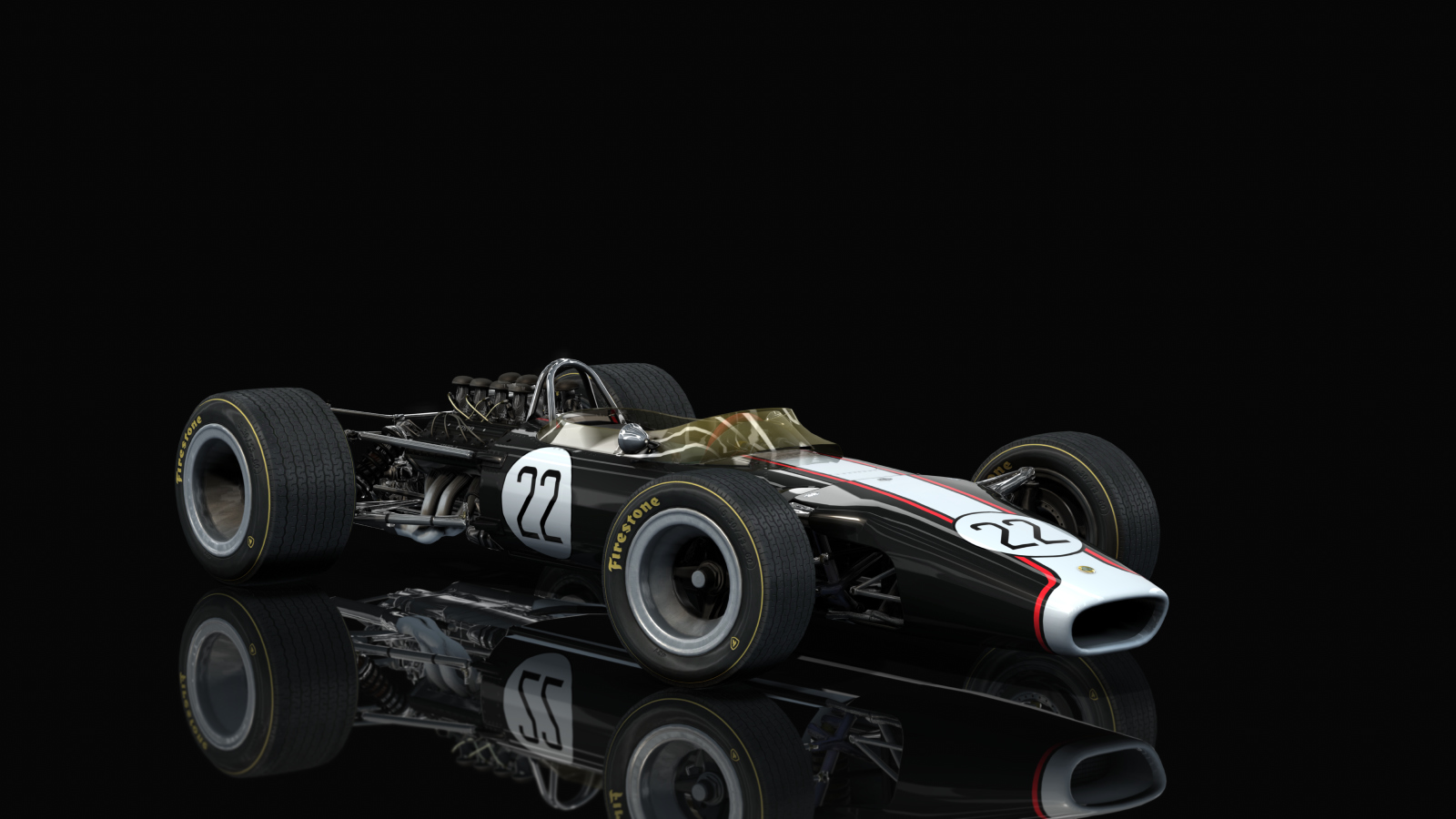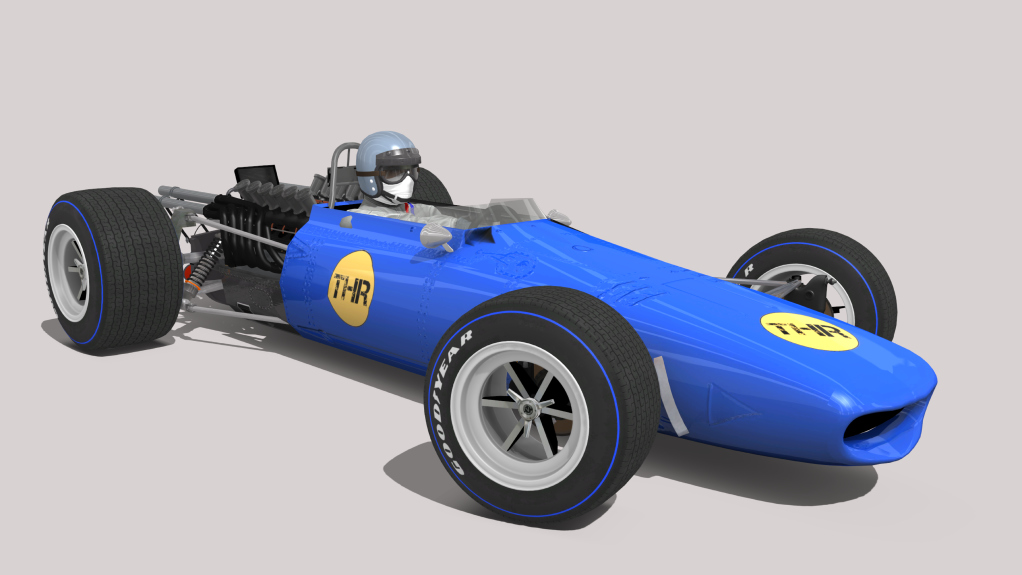
Porcu's Late Eagle Flight Settles GPL Championship 7
A six-round season, preceded by a non-scoring Kyalami Prologue, became a contest between Florian Masse's remarkable regularity, Simone Porcu's capacity to strike when the prizes were greatest, and FMG's persistent BRM challenge. In the end the Eagle prevailed by eight points.
A championship of contrasting methods
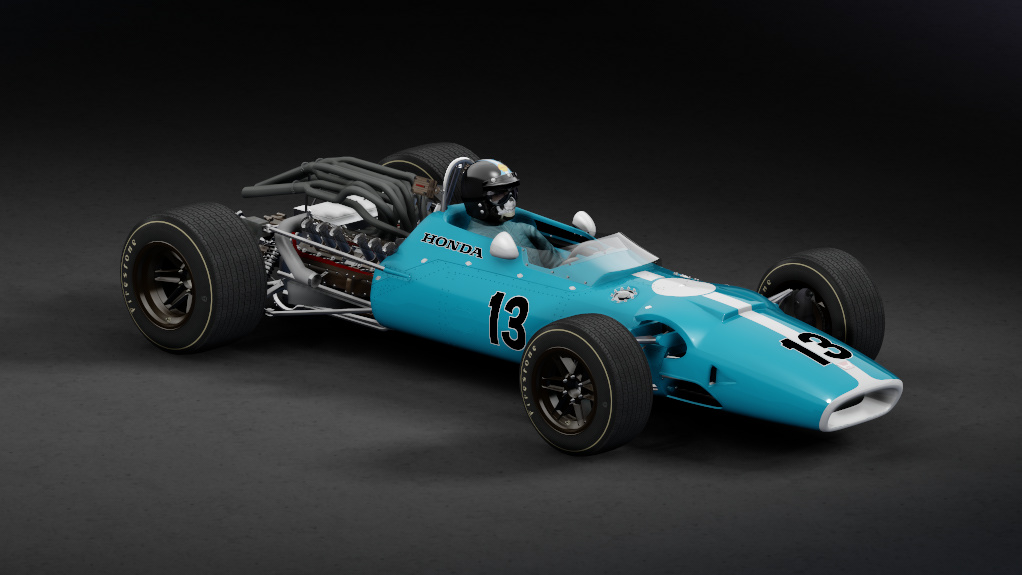
GPL Championship 7 was not decided by a single uninterrupted campaign of command. It was shaped instead by the contrast between three very different seasons. Florian Masse, in the Honda RA300, established the standard for consistency almost at once. Simone Porcu, after an inconspicuous opening Championship result, produced the wins that gave his season its sharpest definition. FMG and the BRM P83, meanwhile, remained close enough for long enough to ensure that the duel was never merely a private affair.
Kyalami had provided the preliminary gathering, with Porcu victorious in the non-scoring Prologue ahead of Masse and Elia Porcu. It was a useful overture, but no more: its result carried neither points nor Championship consequence. The serious account began at Monza, where Masse won from FMG and meisterJaeger. Masse had immediately placed the Honda at the head of affairs, while Porcu was only eighth in the race. It was an early reminder that the eventual champion's route would not be a smooth one.
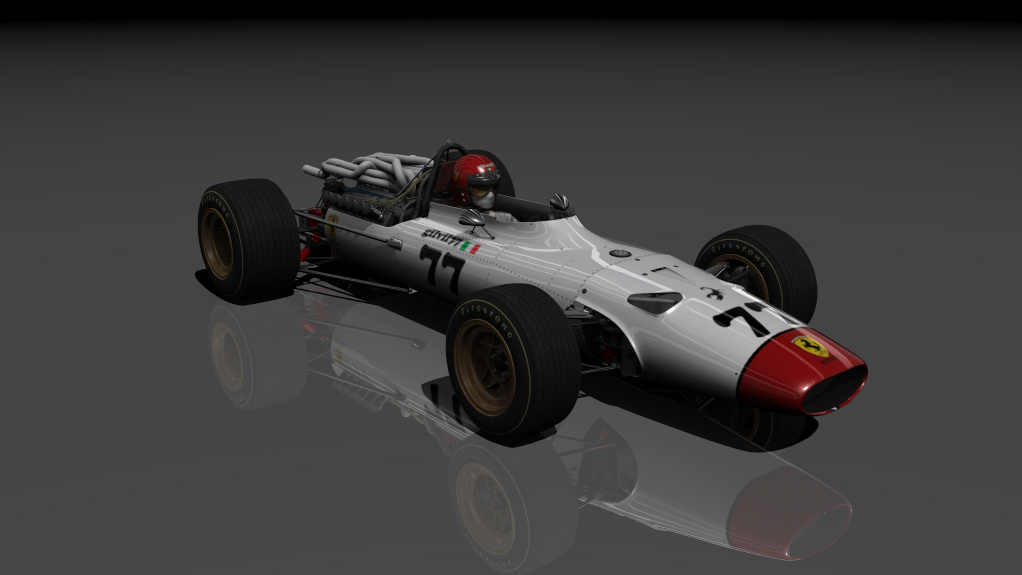
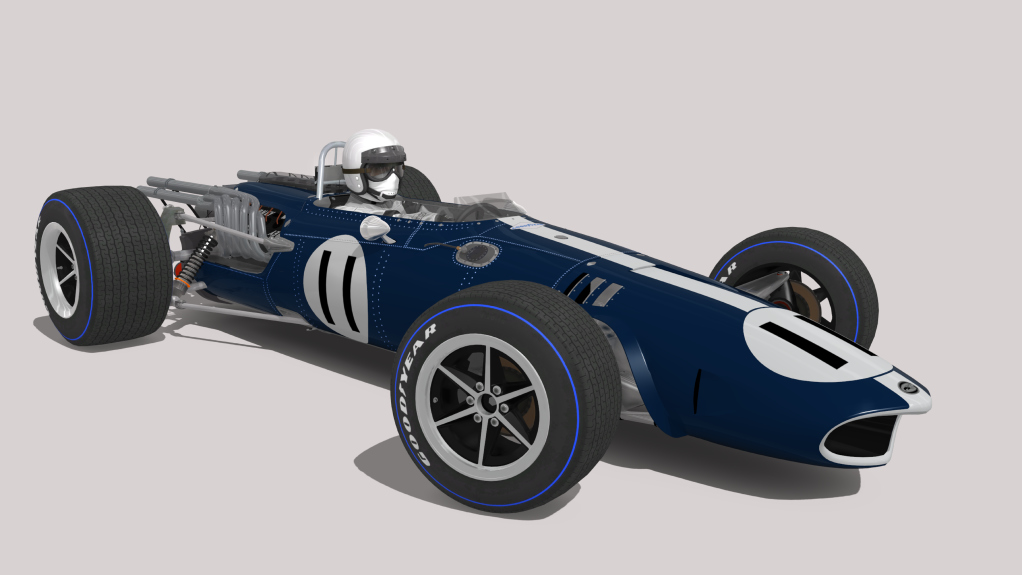
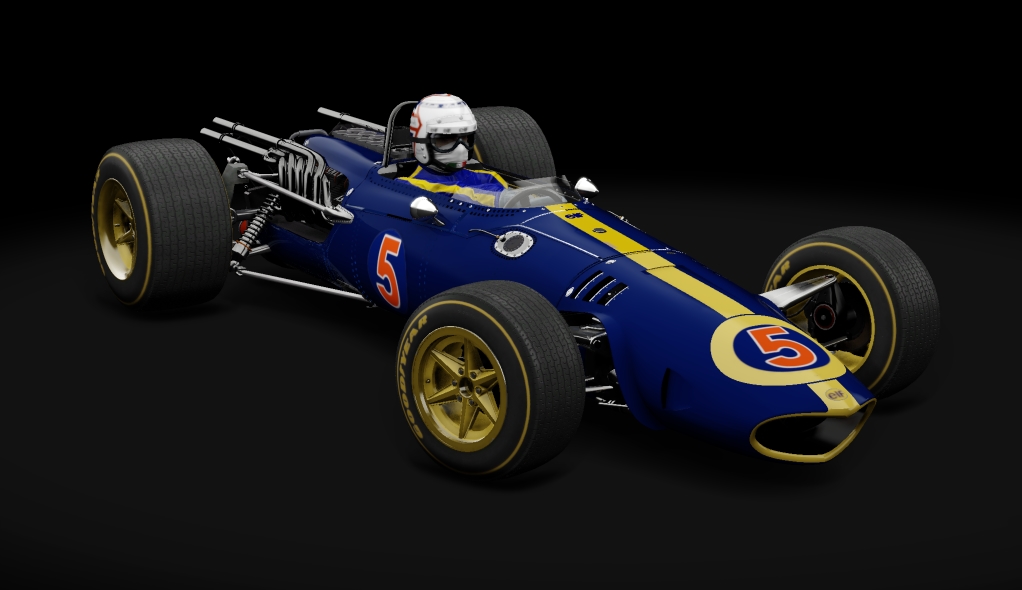
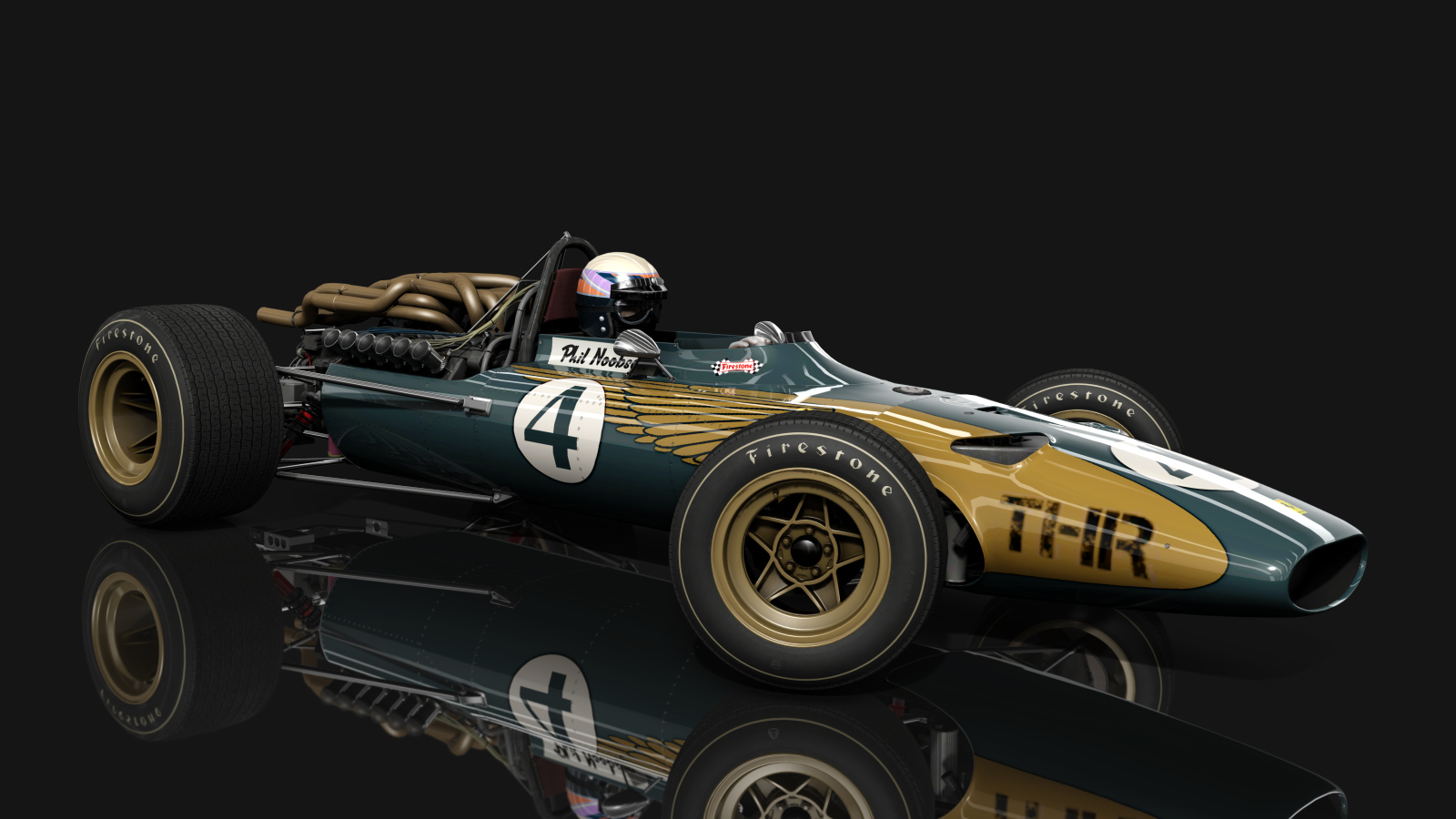
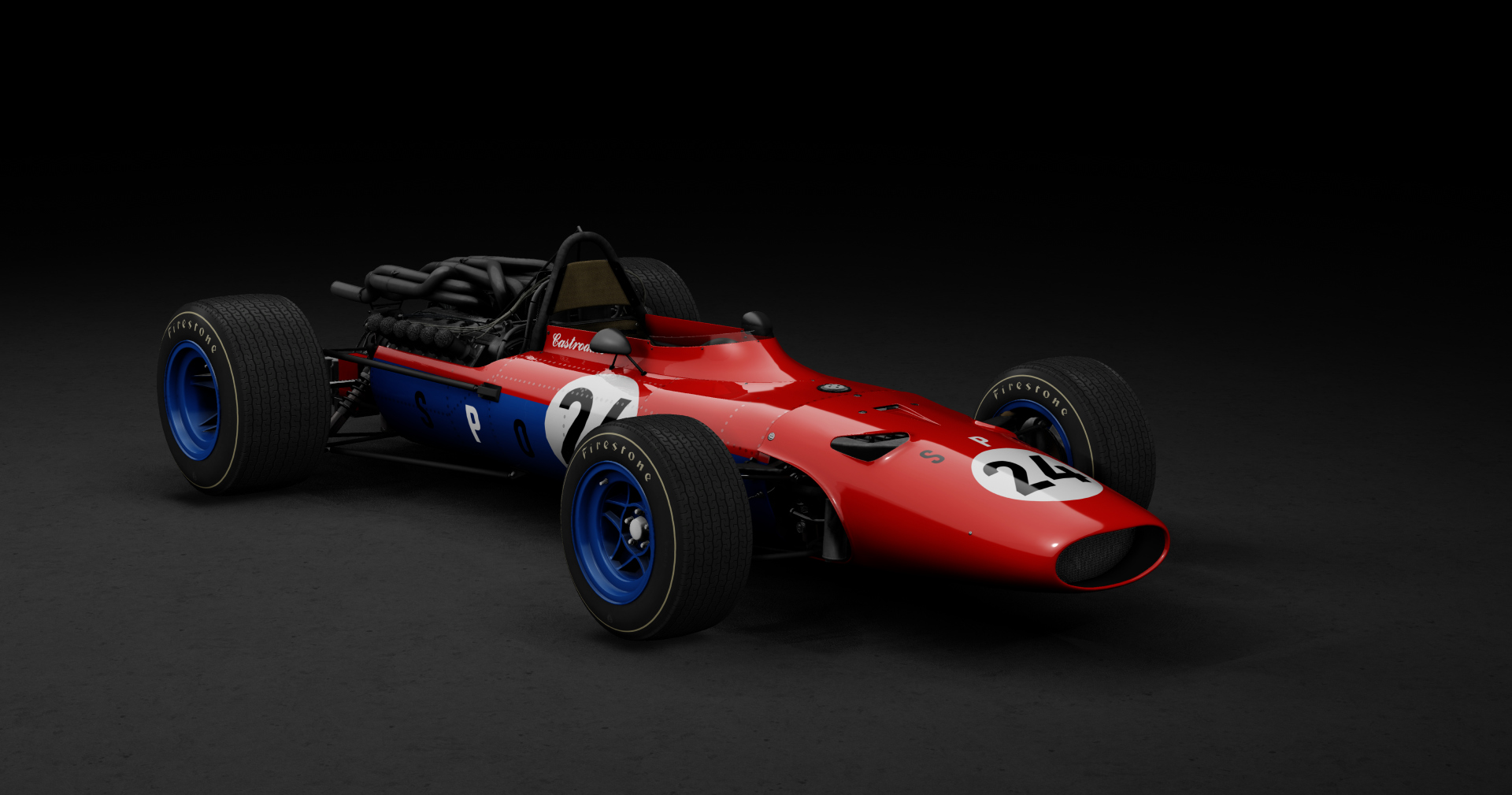
Monaco supplied the first answer. Porcu took the Eagle T1G to victory, Masse followed him home in second, and gilvil77's Ferrari 312 took third. That result established the essential rhythm of the season: Porcu had the ability to seize a round, but Masse was rarely far from the front when it mattered. The title would depend upon whether the Eagle's peaks could outweigh the Honda's unbroken accumulation.
Masse makes the case for consistency
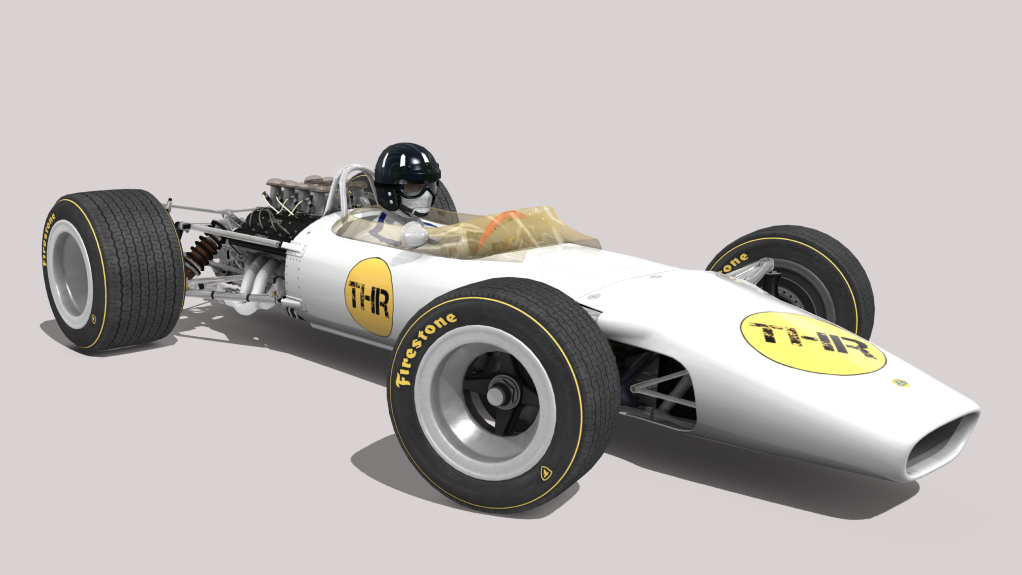
The middle of the season belonged, in broad terms, to Masse. At Zandvoort, Romain Pichon gave the Lotus 49 its winning afternoon, with Masse second and Flashor third, but the Honda driver's place at the front was becoming a familiar sight rather than an isolated good result. Porcu, by contrast, was classified 14th after completing 45 of the 46 laps. It was the sort of result that made his earlier Monaco victory look vulnerable rather than decisive.
Masse then made third at Silverstone, behind FMG's winning BRM and Porcu's Eagle. The exact order was significant. FMG had converted his early promise into a proper victory, Porcu had returned to the first two, and yet Masse continued to collect the points that a championship demands. Through the first four Championship starts of his season he had a win, two second places and a third: four podiums, each one achieved without the drama that often attends a title bid.
This was the Honda's great strength. Masse did not need to dominate every meeting to make himself difficult to dislodge. At the same time, the varied winners - Masse, Porcu, Pichon and FMG across the first four rounds - gave the championship an unusually open character. No single car monopolised the season. The Eagle and Honda would ultimately share the highest podium count, five appearances apiece, while the BRM made four and the Lotus and Ferrari each appeared twice.
The BRM's intervention and the return of Porcu
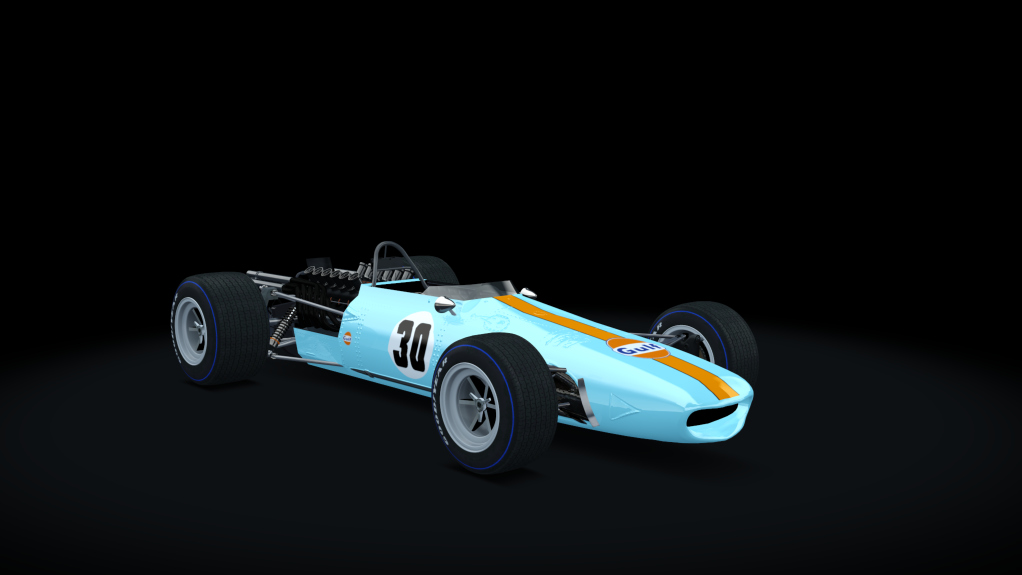
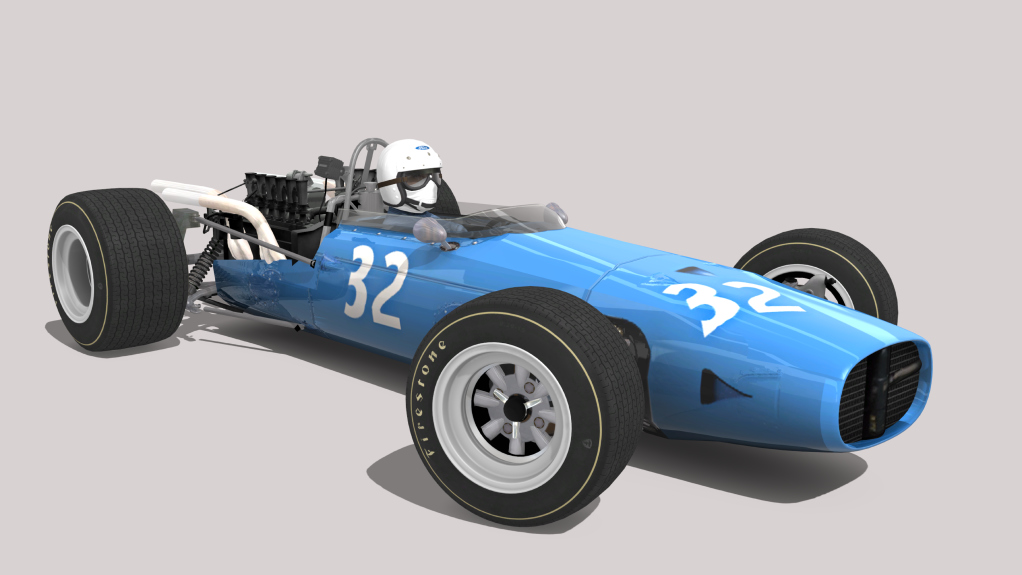
FMG's Silverstone success had a lasting importance beyond its immediate points return. It placed the BRM firmly among the season's leading machines and demonstrated that the principal rivals could not afford to measure their contest solely against each other. His early second place at Monza was followed by a difficult pair of classified results at Monaco and Zandvoort, but the Silverstone win gave the campaign a new direction. At Spa he was again second, this time to Porcu, with Masse third.
Spa was therefore the pivotal meeting. Porcu's victory was his second of the Championship and restored the force of his challenge after the Zandvoort setback. Masse's third place was entirely in keeping with his season, and his five starts had by then yielded five podiums: one victory, two second places and two thirds. But Porcu had discovered the more powerful late-season momentum. The Eagle had now won twice and been second once in five rounds, while FMG's Spa second place kept the BRM close to both principal contenders.
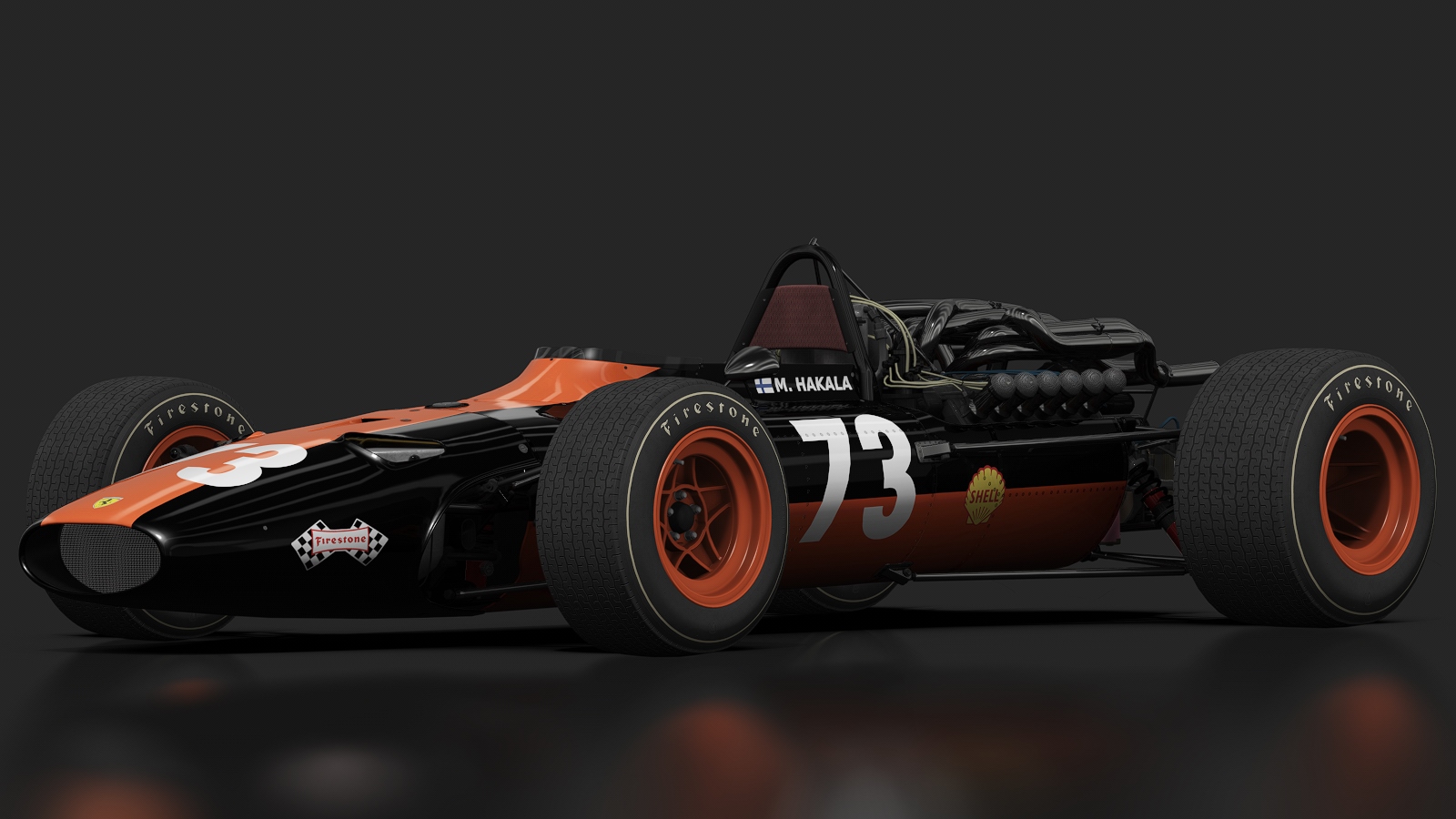
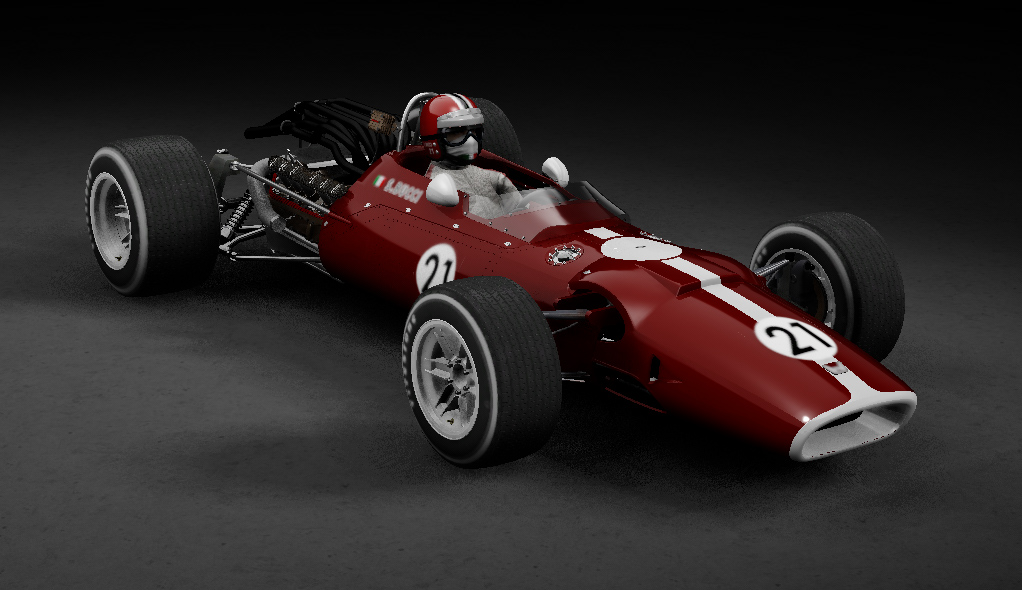
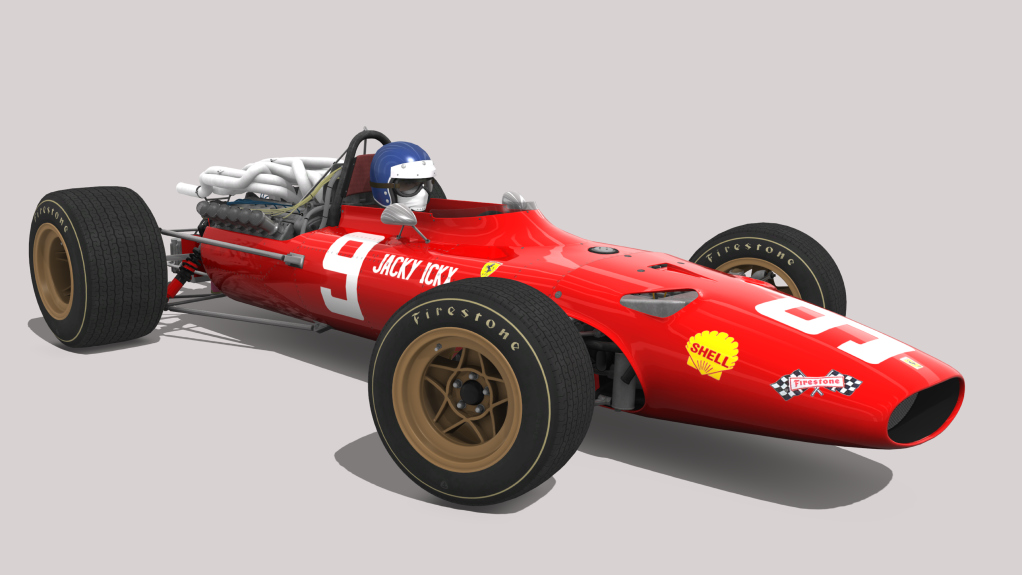
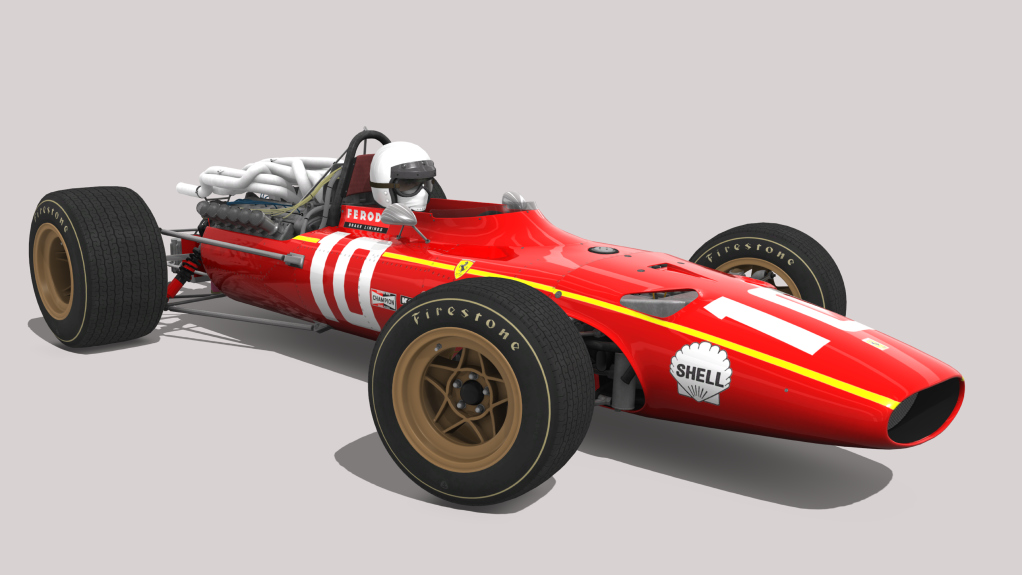
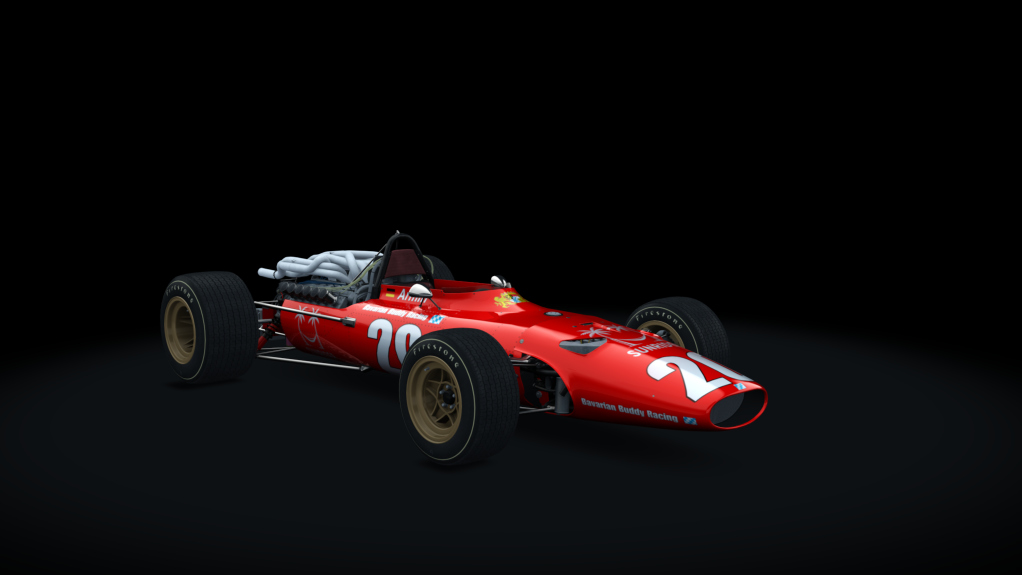
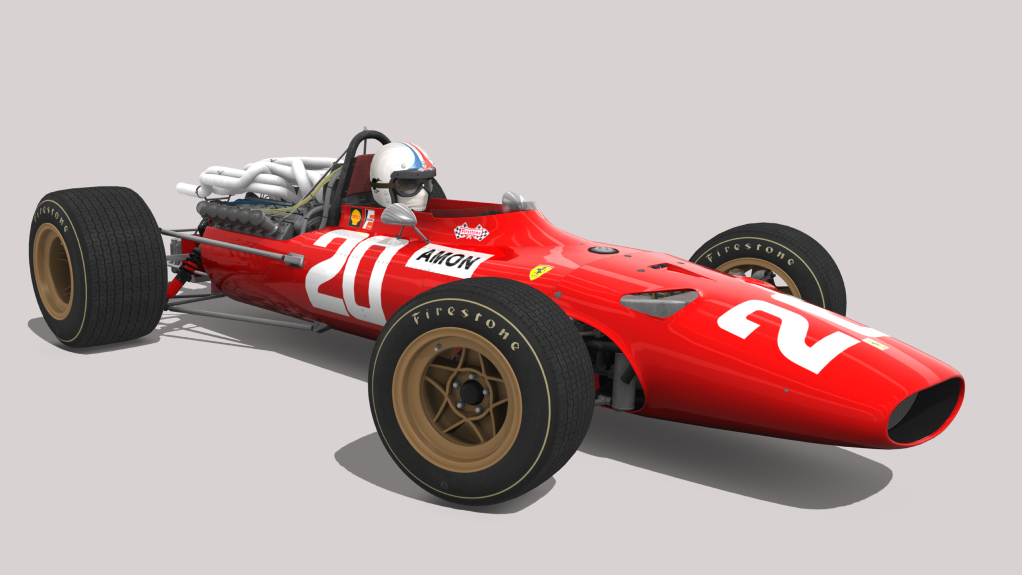
There was a certain symmetry in the leading cars. Masse's Honda had been the most dependable podium instrument; Porcu's Eagle had become the car of decisive victories; and FMG's BRM, with a win and a succession of second places, was the persistent third force. gilvil77's Ferrari also deserved notice. His year did not contain a victory, but third places at Monaco and Watkins Glen, together with useful points elsewhere, carried him to fourth in the final Championship.
Watkins Glen and the final order
The final round at Watkins Glen gave Porcu precisely the conclusion his campaign required. He won again in the Eagle, FMG followed in second in the BRM, and gilvil77 completed the podium in the Ferrari. Masse had recorded five starts and five podiums before the finale, but did not add a sixth classified result at Watkins Glen. Thus the final picture was settled not by a long procession but by Porcu's ability to turn the closing phase into a sequence of victories.
Porcu's completed Championship record was three wins and one second place, four top-two finishes in all from six starts. His winning rounds were Monaco, Spa and Watkins Glen. The pattern included the difficult classified result at Zandvoort, but it also contained the two consecutive wins with which he closed the season. It was enough to overcome the steadier but shorter campaign of Masse.
Masse finished second in the Championship on 216 points, eight behind Porcu's 224. FMG was only three points further back on 213, which gives the final table its proper perspective: the winner's margin was useful but not expansive, and the gap from second to third was smaller still. Masse's five podiums remained the highest individual total of the season, while FMG's final sequence of Spa and Watkins Glen second places ensured that the BRM was still in contention for honours until the last figures were entered. The one-result allowance in the scoring system formed part of the season's final accounting, but the table's essential verdict was clear enough.
Champion, rivals and the wider season
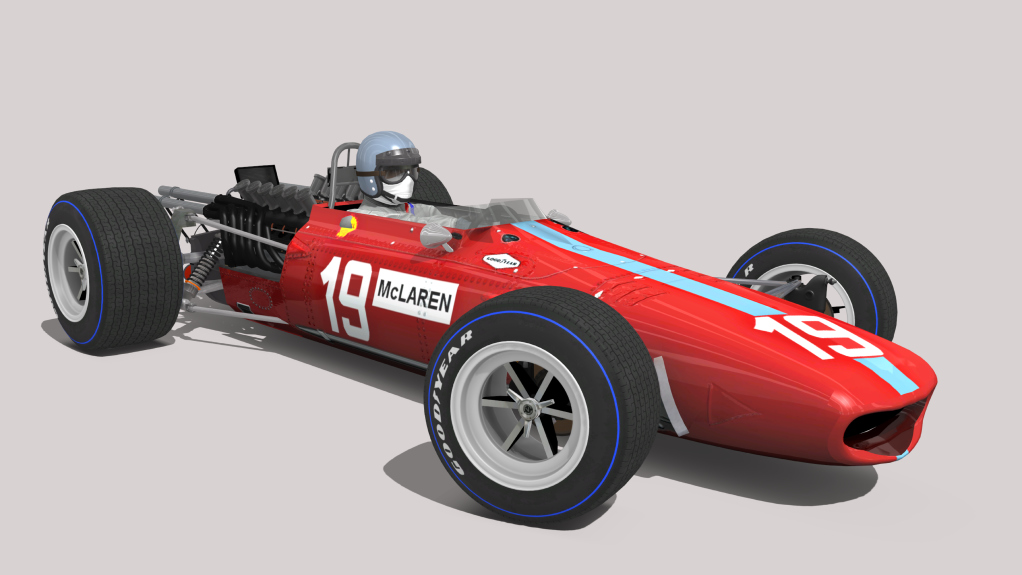
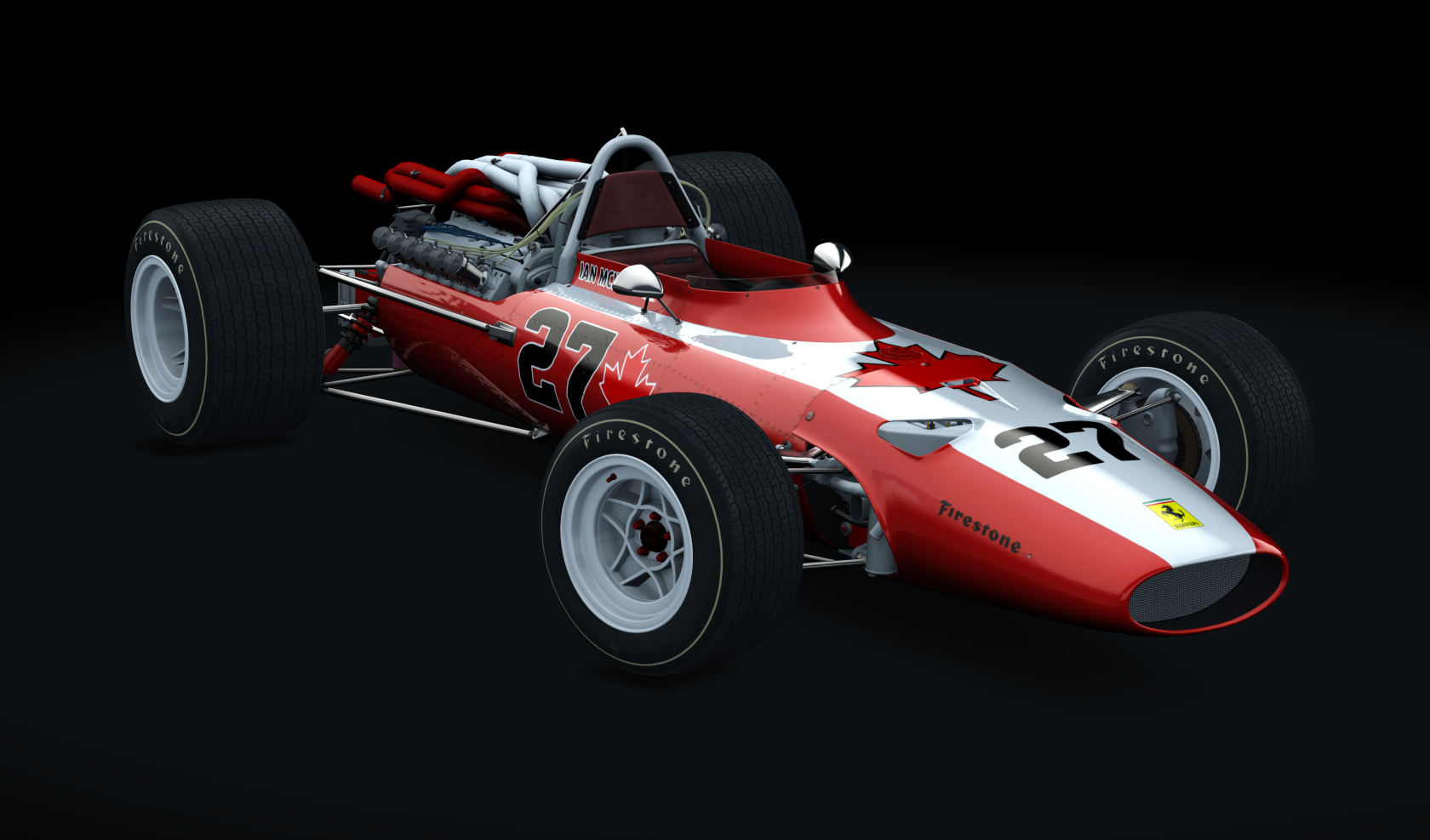
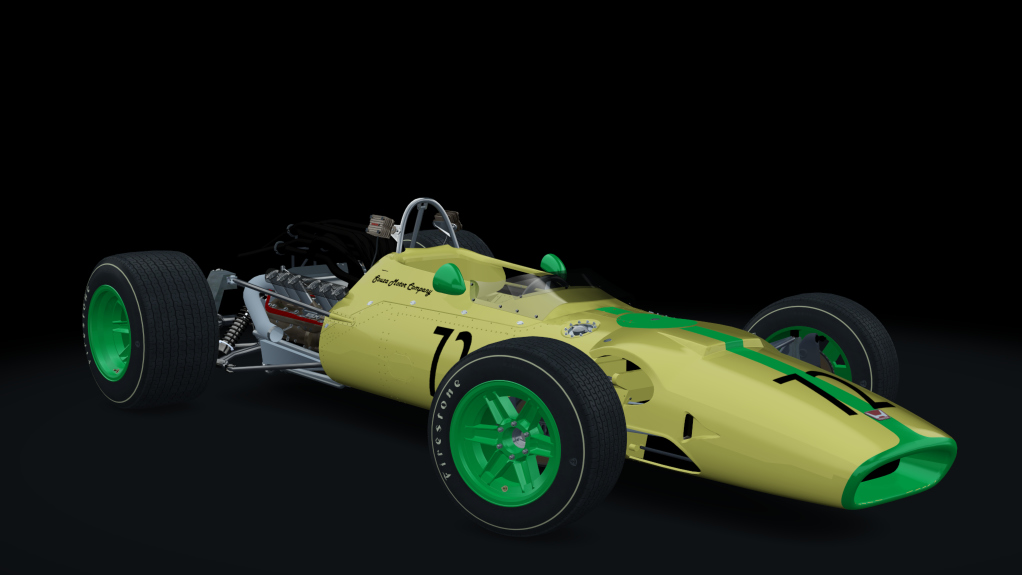
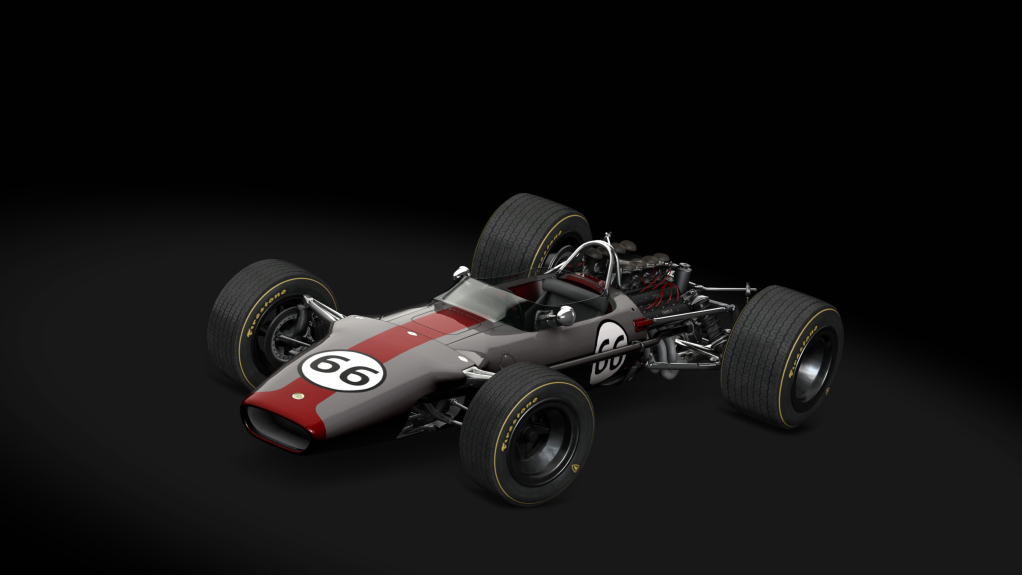
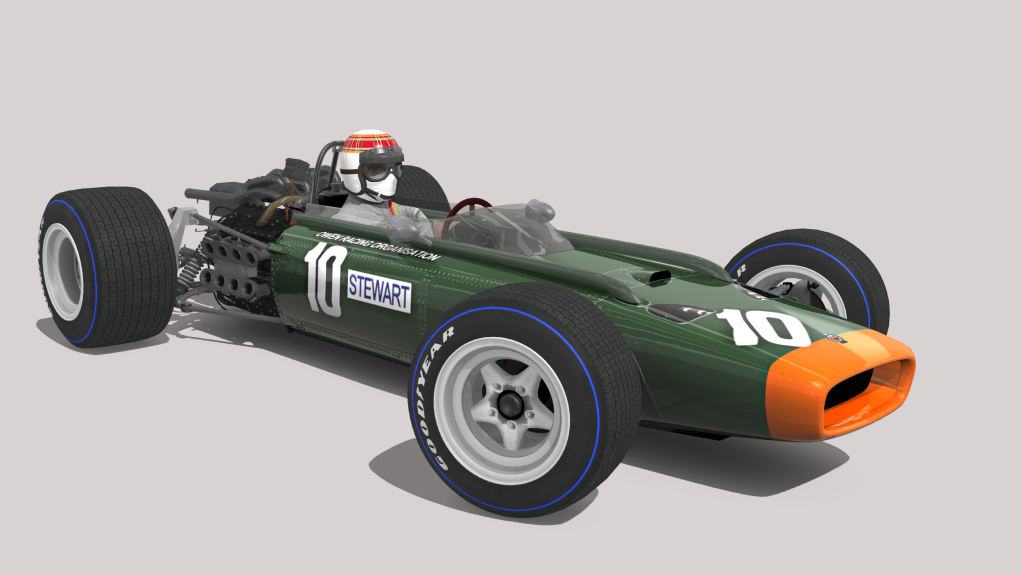
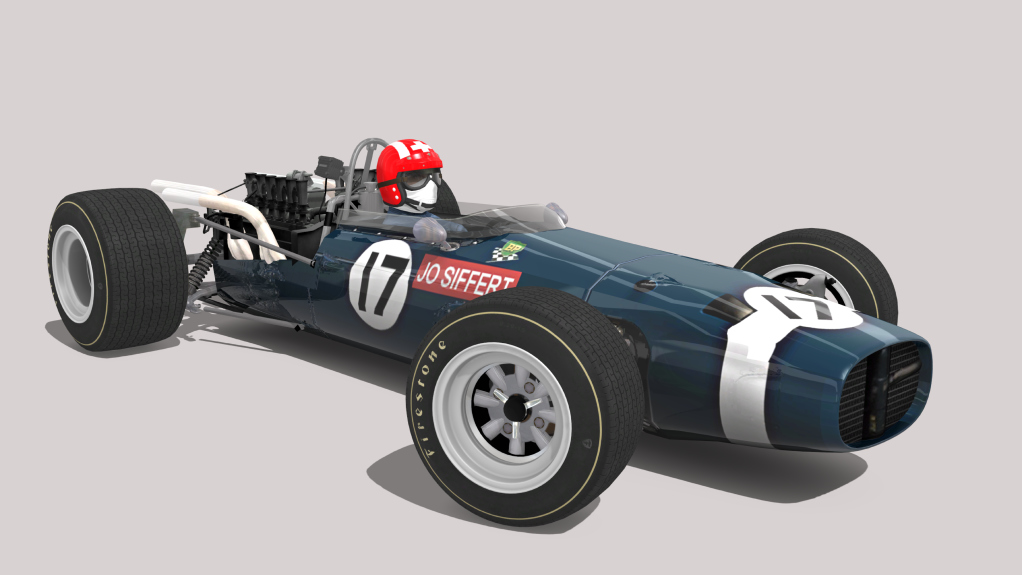
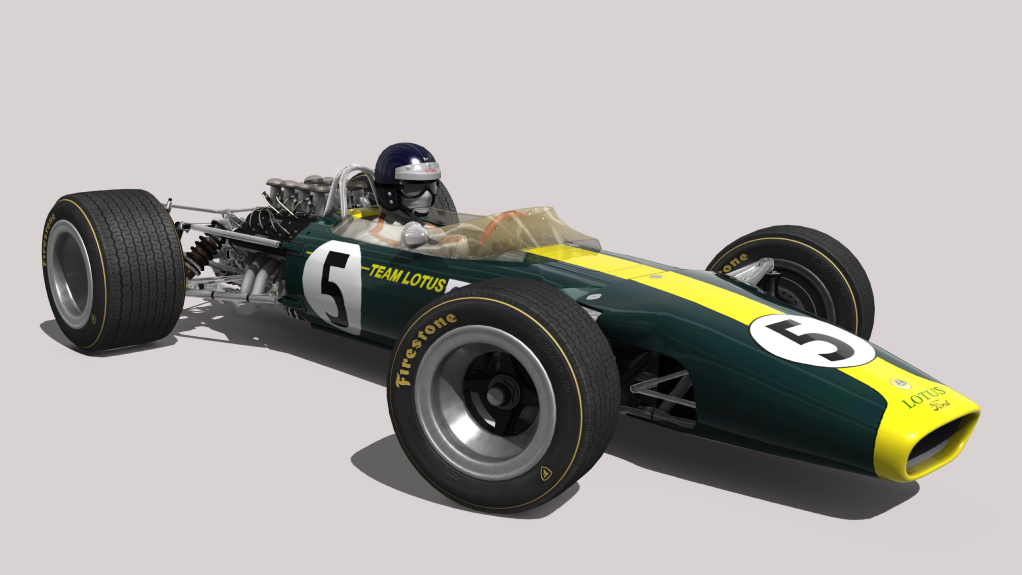
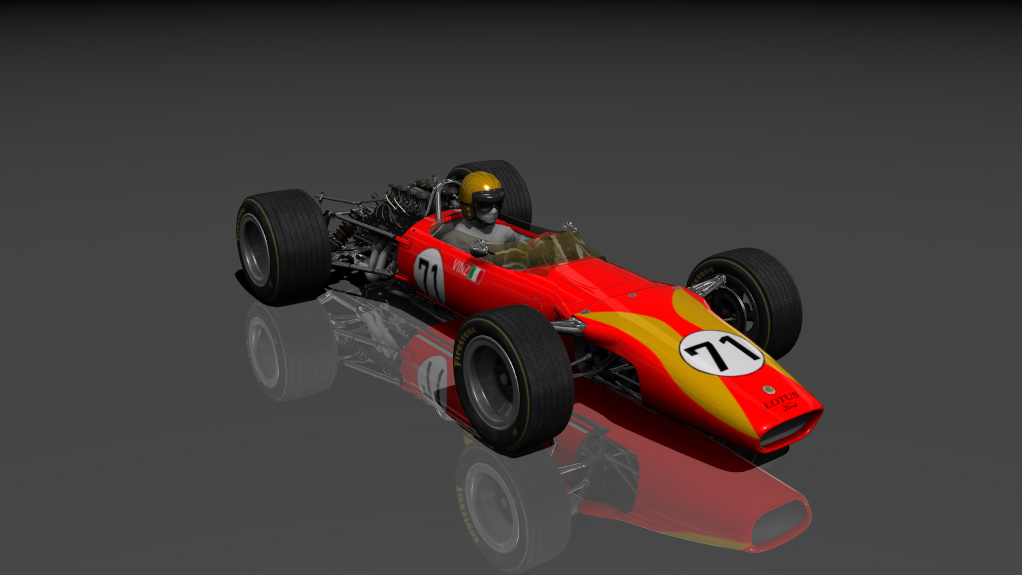
Simone Porcu took the title for Prc Racing team with a campaign of recovery and resolution. His Championship began with eighth at Monza, turned with the Monaco victory, suffered its low point in the Zandvoort classification, and ended with two wins when the Championship required clarity. The Eagle T1G was the principal car of that charge, though Porcu's final top-three record also reflects his use of the McLaren M5A earlier in the season.
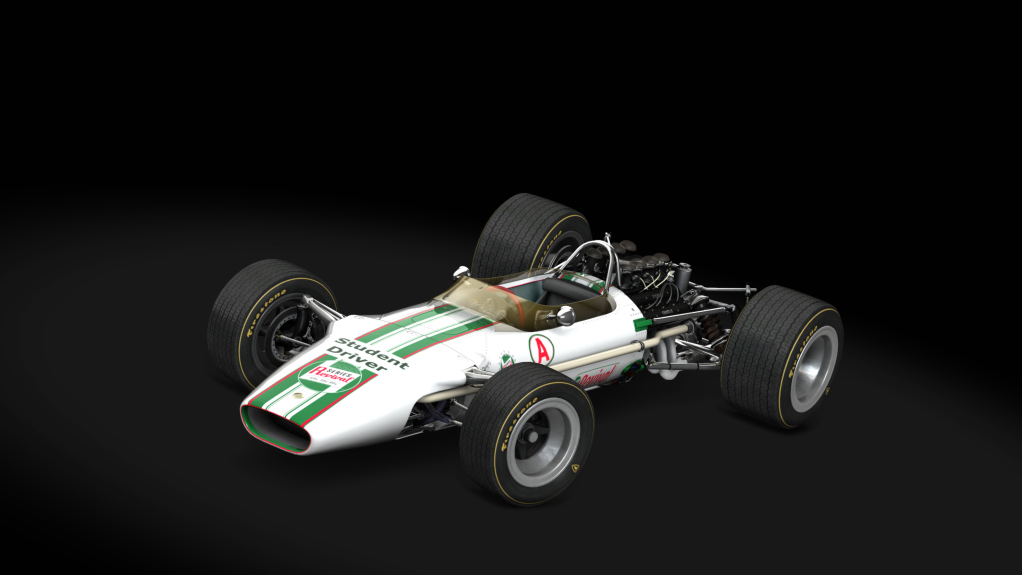
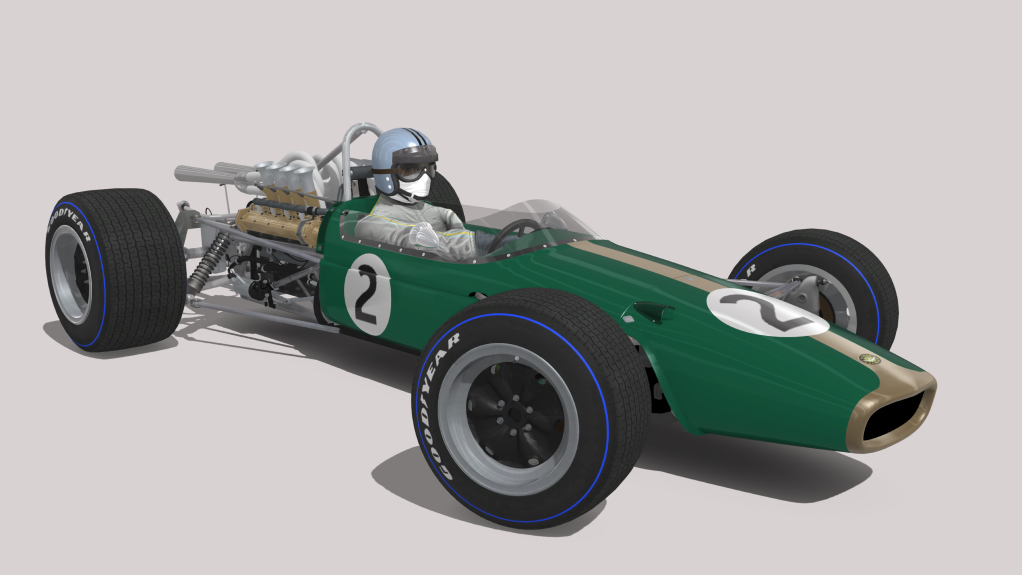
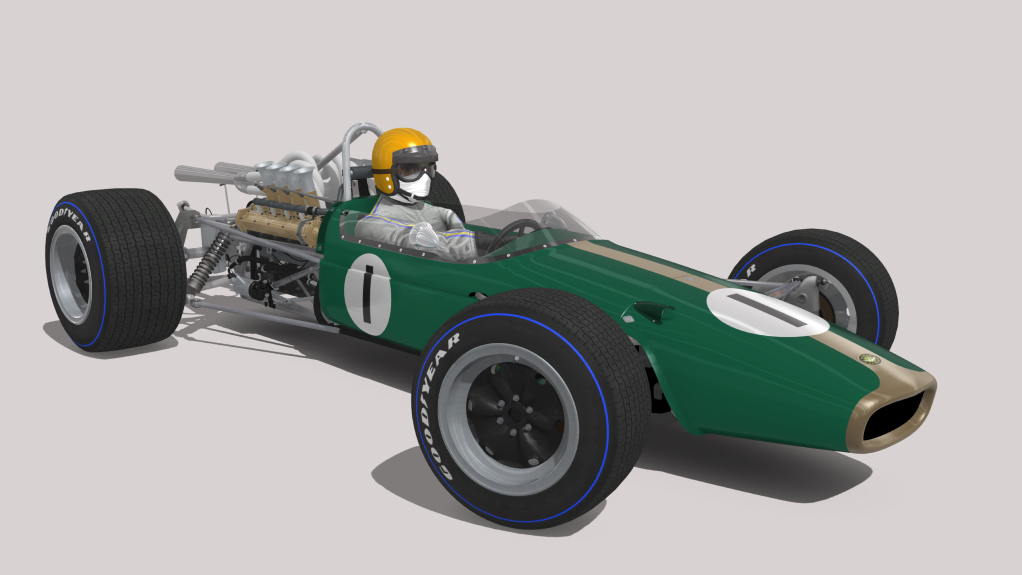
Masse's second place should not be read as a lesser season. The Honda driver won at Monza and was on the podium in every one of his five starts, an achievement of remarkable order in such a varied series. FMG's third place for Vixen Racing Cars Ltd was equally substantial: one victory, three second places and four podiums from six starts. The final top three therefore represented three distinct leading cars across the season - Porcu's Eagle and McLaren association, Masse's Honda and Cooper association, and FMG's BRM - rather than the ascendancy of one marque alone.
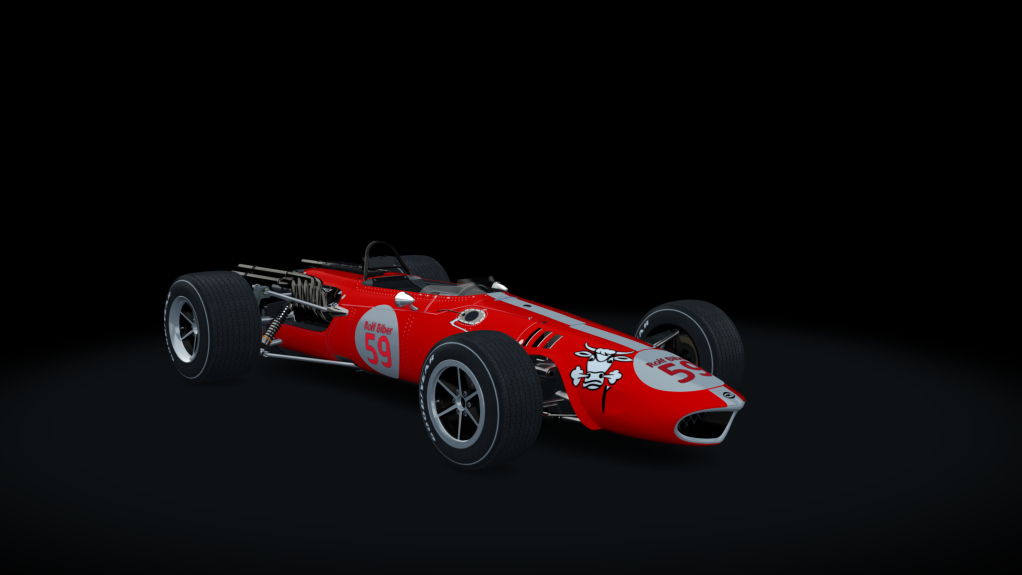
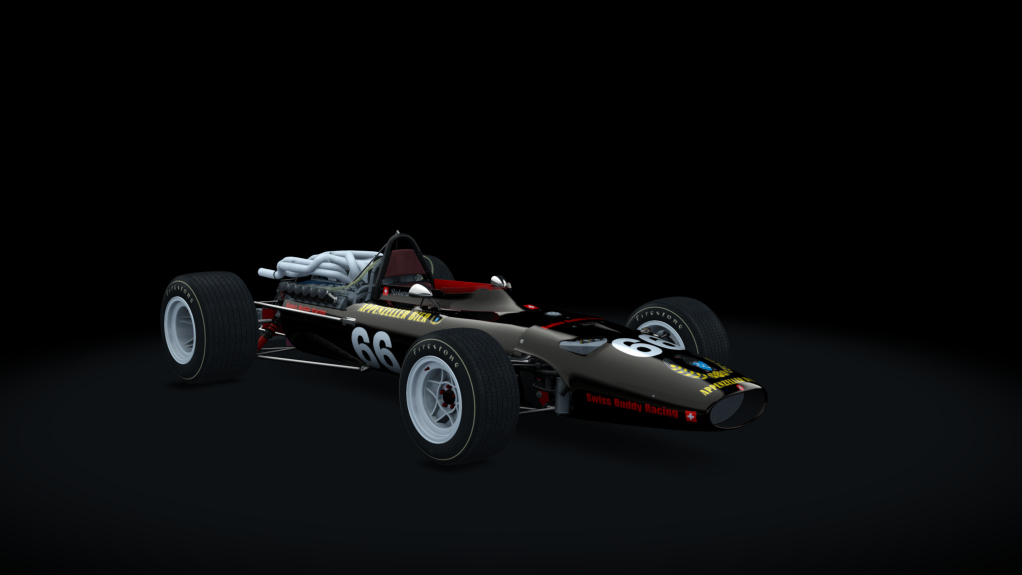
There was also a separate satisfaction for Swiss Buddy Racing, which won the team Championship with 284 points, ahead of Prc Racing team's 224. Rolf Biber and Richard Rossier supplied the sort of steady score-making that team tables reward, even without the headline podium sequence of the individual title protagonists.
The season will be remembered chiefly for its changing balance. Masse made consistency look almost sufficient; FMG kept the pressure upon both leading men; Porcu supplied the decisive victories. In a Championship where five different cars reached the podium, the Eagle's final authority was not assumed. It was earned at the end, and by the end it was enough.
Simone Porcu, Champion on 224 points, had not merely won most often when the season reached its conclusion. He had made the last two rounds his own, and in doing so turned a close three-cornered contest into a deserved Eagle triumph.